
A vertical multistage pump is a type of centrifugal pump designed to deliver high pressure while occupying minimal space. It features multiple impellers mounted on a single shaft and arranged in a vertical, stacked configuration. Each impeller serves as a separate stage and contributes to increasing the overall pressure of the fluid as it passes through the pump. This innovative design enables vertical multistage pumps to handle high-pressure and high-head requirements efficiently. They are widely used in industries such as water treatment, HVAC systems, agriculture, firefighting, and more.
How Does a Vertical Multistage Pump Work?
The working principle of a vertical multistage pump involves a multi-step process. First, the fluid enters the pump through the suction port, typically located at the base of the unit. It is then propelled into the first impeller, which imparts kinetic energy to the fluid and increases its velocity. As the fluid moves upward through subsequent impellers, its energy and pressure intensify at each stage. This staged process allows the pump to achieve a much higher pressure than single-stage pumps, making it ideal for demanding applications such as boosting water pressure in skyscrapers or for use in water supply plants. The vertical configuration also minimizes horizontal space requirements, making these pumps suitable for areas with limited floor space.
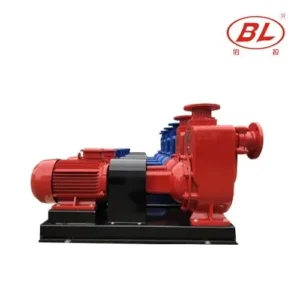
Types of Vertical Multistage Pumps
There are several types of vertical multistage pumps, each designed for specific applications based on its construction material and characteristics:
- Stainless Steel Vertical Multistage Pumps: These pumps are highly resistant to corrosion and are suitable for pumping clean water and mildly aggressive liquids. They are widely used in industries like chemical processing, food and beverage production, and water purification plants.
- Ductile Iron Vertical Multistage Pumps: These heavy-duty pumps are suitable for handling water with suspended solids or slightly abrasive materials. They are commonly used in industrial and agricultural applications where robust construction is required.
- Plastic Vertical Multistage Pumps: Pumps constructed with high-grade engineering plastics are ideal for environments that deal with highly corrosive chemicals. They are often used in chemical processing plants and water treatment facilities.
Advantages of Vertical Multistage Pumps
Choosing a vertical multistage pump comes with numerous advantages, making it one of the most sought-after types of pumps in many industries:
- High Efficiency: These pumps are known for their ability to deliver impressive energy efficiency through optimized impeller designs, reducing operational costs over time.
- Space-saving Design: Their vertical structure requires less floor space compared to horizontal pumps, making them ideal for locations with spatial constraints such as compact mechanical rooms or industrial facilities.
- High Pressure and Multiple Applications: Their multistage design allows them to achieve higher pressures, which can easily handle applications requiring substantial fluid elevation or distribution across long distances.
- Durability: Constructed using robust materials like stainless steel or cast iron, these pumps can handle various environments, including corrosive and high-temperature conditions.
Applications of Vertical Multistage Pumps
Thanks to their versatility and efficiency, vertical multistage pumps are a popular choice for a wide range of applications, including:
- Municipal and Industrial Water Supply: They are ideal for supplying water over long distances or to high-rise buildings and facilities.
- Irrigation and Agriculture: Farmers and agricultural professionals use these pumps for consistent water delivery to fields and crops.
- Boiler Feed Systems: Vertical multistage pumps can deliver the high pressures required to feed water into boilers efficiently.
- Fire Protection Systems: Their ability to maintain consistent pressure ensures reliable water supply in firefighting and safety systems.
- Water Treatment Plants: These pumps move water through filtration and purification systems at high pressures, a key requirement in producing clean, drinkable water.
Why Choose Vertical Multistage Pumps?
Using a vertical multistage pump offers numerous benefits that cater to both industrial and commercial needs. They provide high energy efficiency by minimizing wasted flow and maximizing pressure output. Their unique design allows for operation in confined spaces, an advantage in urban or industrial environments where space is at a premium. Furthermore, their robust build ensures longevity and reliable performance even in challenging environments. Whether you need a solution for high-rise water supply, irrigation, industrial processes, or firefighting systems, a vertical multistage pump provides a dependable and cost-effective option.
Frequently Asked Questions
Q: What are the types of vertical multistage pumps?
A: Vertical multistage pumps can be categorized based on their material construction (stainless steel, ductile iron, plastic) and their intended applications, such as water pumping for municipal, industrial, or agricultural purposes.
Q: What are vertical multistage pumps used for?
A: These pumps are commonly used for water supply, irrigation, heating, cooling, pressure boosting for fire protection, and moving liquids in industrial processes.
Q: Why use a vertical multistage pump?
A: Vertical multistage pumps are the go-to choice for applications requiring high-pressure fluid transport in compact spaces. Their efficiency, versatility, and reliability make them favored across industries ranging from agriculture to large-scale manufacturing.
To sum up, a vertical multistage pump is an indispensable component for processes requiring high pressure and efficiency. Its compact design, versatility, and ability to handle challenging applications make it highly sought after in numerous industries. When choosing a vertical multistage pump, always consider the specific requirements of your application, including pressure needs, flow requirements, and the type of fluid being transported. With careful selection, you can ensure reliable, long-lasting, and cost-effective performance from your pump system.