
There is no normal fixed number of times a sump pump should run. Frequency depends on rain, groundwater, drainage area, basin volume, pump flow, switch spacing, discharge head, soil, season, and leaks. During heavy inflow a healthy pump may cycle often; in dry weather it may not run for weeks. Concern begins when behavior changes from the property's baseline, the pump short-cycles, runs continuously, cannot lower the level, or restarts because discharged water flows back. The safest answer comes from the exact equipment data, the actual operating condition, and measurements taken with an approved procedure rather than a generic rule.
هذه المقالة هي دليل عملي للتشخيص والمشتريات، وليست بديلاً عن تعليمات الشركة المصنعة للمضخة، أو تصميم النظام معتمد، أو القواعد الحالية للكهرباء والسباكة، أو خدمة الموقع المؤهلة. قم بعزل الطاقة والضغط قبل فتح أي معدات. يتطلب العمل في الآبار، والرفع، والأماكن الضيقة، ومياه الصرف الصحي، والمواقع الكهربائية الرطبة، والاختبارات التي تتضمن طاقة، أفراداً أ kompetent (أكفاء) وتحكمات خاصة بالمهمة.
Use the basin water balance
The level rises according to inflow and falls according to the pump's delivered flow at the actual head. A larger basin or wider distance between on and off levels stores more water per cycle, while a narrow level range causes more starts. The pump's nameplate capacity is not the delivered flow when vertical lift, pipe friction, fittings, check valve, and outlet conditions are included. Record the water-level rise with the pump off only when safe, then the drawdown time during a normal cycle. These observations explain frequency better than a universal cycles-per-hour number.
Recognize acceptable weather-related changes
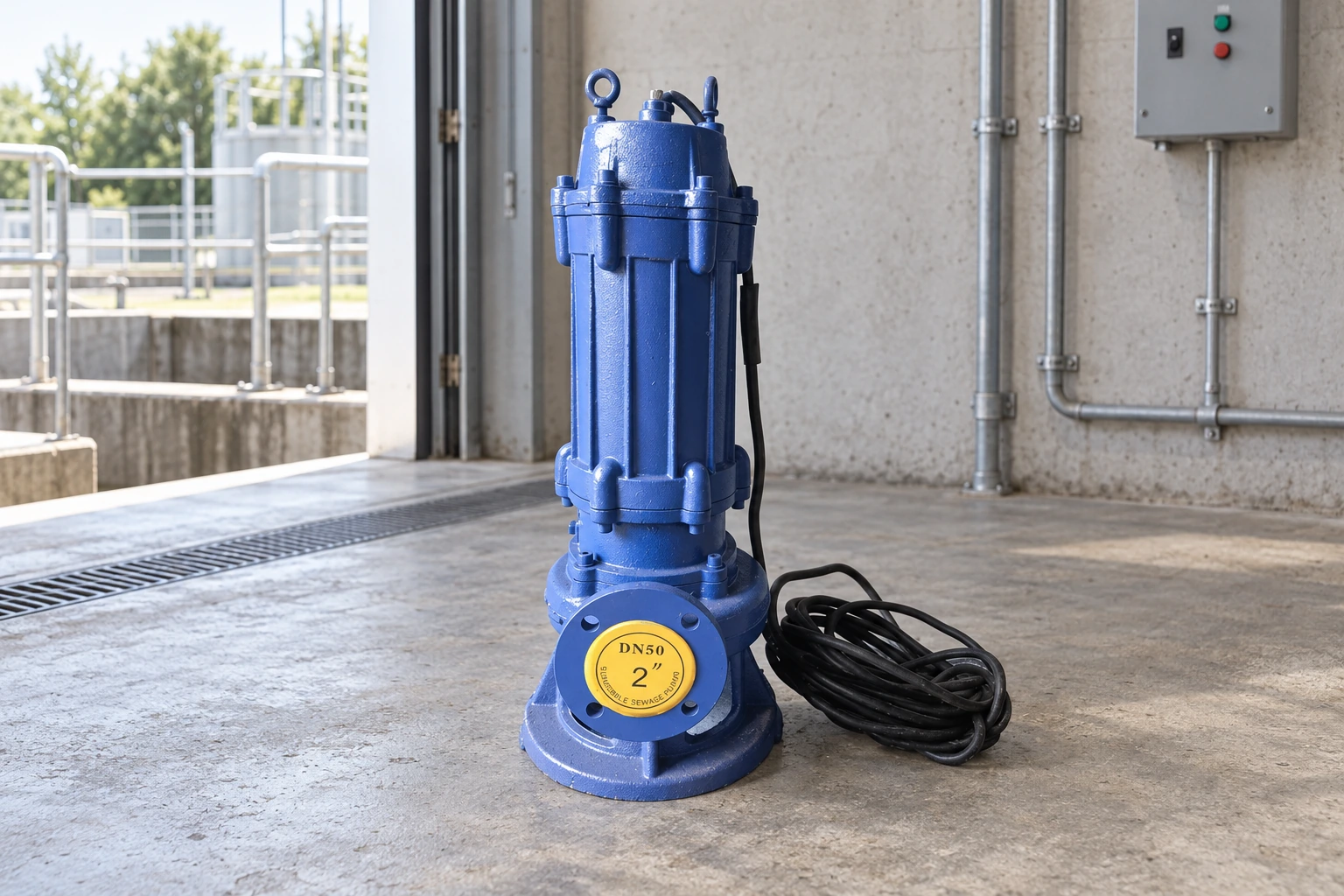
Heavy rain, snowmelt, rising groundwater, construction drainage changes, and a new connection can increase inflow. Frequent operation may be appropriate if the pump lowers the basin reliably, stops at the intended level, and remains inside its allowed duty and start limits. Compare with rainfall and past records. An unusually dry-period cycle can indicate a plumbing discharge entering the pit, a leaking pipe, or water recirculating from an outlet too close to the foundation. Investigate new patterns before adjusting the switch.
Identify short cycling
Short cycling means the pump starts and stops after moving too little water or restarts almost immediately. Common contributors are a small basin, stuck or poorly positioned float, narrow level spacing, oversized pump, leaking check valve, blocked or frozen outlet, discharge water returning to the pit, or an air-lock issue in an applicable installation. Repeated starts heat motors and stress switches and relays. Observe the level, timing, valve closure, and outlet; do not defeat the float or hold contacts closed.
جدول القرار
| Pattern | Possible meaning | Check first |
|---|---|---|
| Frequent only during storms | High but expected inflow | Level control, drawdown and discharge |
| Very short cycles | Low stored volume or return flow | Float spacing, basin and check valve |
| Continuous with rising level | Capacity or discharge failure | Backup response and outlet path |
| New dry-weather cycling | Leak or unwanted inflow | Trace the inflow source |
Investigate continuous running
A pump may run continuously because inflow exceeds delivered flow, the discharge is blocked, the check valve is reversed or stuck, the pipe is leaking, the float is trapped, the pump has lost capacity, the outlet is submerged or frozen, or the basin never reaches the off level. Continuous-duty suitability and motor cooling vary by model. If the level continues to rise, activate the emergency response and backup. If the level falls but the pump never stops, isolate the level-control problem before the motor overheats.
Create a useful monitoring baseline
Record date, weather, starts, runtime, high-level alarms, approximate drawdown time, visible inflow, discharge condition, sound, and any maintenance. A simple runtime or cycle counter can reveal change before flooding occurs, provided it is installed compatibly. Test alarm and backup functions separately. Review records after storms and seasonal changes. The goal is not to force every day to look the same; it is to recognize a trend that the collection or pumping system can no longer manage.
Adjust the system only with evidence
Do not raise the off level until minimum submergence, motor cooling, basin storage, inlet elevations, and backup capacity are checked. Do not install a larger pump without calculating total head and confirming that the discharge route can accept the higher flow. Solutions may include repairing the check valve or pipe, correcting drainage return, cleaning the basin, repositioning a float, increasing storage, changing controls, or selecting a better-matched pump. Verify the final sequence with normal, high-inflow, alarm, and power-loss cases.
اختيار النظام، والأدلة، وسجل المشتريات
تعمل مضخة النضج أو مياه الصرف الصحي كجزء من نظام تجميع. راجع مسار التدفق الداخل، وحجم الحوض، ومنسوبي إيقاف وتشغيل المضخة والمستوى المرتفع، أنبوب التصريف، صمام عدم الرجوع، صمام العزل، موقع المخرج، التغذية الكهربائية، الإنذار، ترتيب النسخ الاحتياطي، ومسار الإزالة الآمن معاً. يجب أن تكون المضخة مناسبة للسائل الفعلي والمواد الصلبة؛ حيث إن مضخة نضج المياه النقية، وطاردة مياه الصرف الصحي، والمضخة المفتتة ليست مسميات قابلة للتبادل. تأكد مما إذا كان المحرك يعتمد على السائل المحيط للتبريد وما إذا كانت أدوات التحكم تحافظ على الحد الأدنى من الغمر مع تجنب التشغيل المتكرر السريع.
تؤثر ظروف الموقع على النتيجة. فكل من هطول الأمطار، والمياه الجوفية، ووصلات الصرف، ومعدل إشغال المبنى، والقيود المفروضة على مجرى المياه، والمخارج المتجمدة أو المسدودة، وانقطاعات التيار الكهربائي، وقواعد التصريف المحلية، كلها عوامل يمكن أن تؤثر بشكل كبير على الأداء. يجب أن يتضمن الفحص الفعال تسجيل مدة التشغيل، وعدد مرات التشغيل، ووقت انخفاض مستوى المياه، والتدفق التقديري، وسلوك التصريف، وإغلاق الصمامات، وحركة التحكم في المستوى، ووظيفة الإنذار، والضوضاء، والاهتزازات، والتسرب، والتآكل، وحالة الكابلات، والحطام. لا تقم بالعمل في حوض مبلل، أو في مكان ضيق، أو على لوحة كهربائية موصلة بالتيار دون وجود الأشخاص المؤهلين واتباع الإجراءات المطلوبة في الموقع.
بالنسبة للاستبدال أو التركيب الجديد، أرسل إلى الموردين وصف السائل، وأكبر المواد الصلبة المتوقعة، ومعدل التدفق الطبيعي والطوارئ، وإجمالي الرأس الديناميكي، ورسم حوض التجميع، وإعدادات المستوى، ومسار الأنابيب، والجهد الكهربائي والأطوار، ودورة التشغيل، ومتطلبات الإنذار والنسخ الاحتياطي، وبيئة التركيب، وقيود الوصول، والوجهة، والموافقات المطلوبة. اطلب نطاق توريد كاملاً يتضمن المضخة، أو ترتيب التوجيه أو الرفع، وتركيبات التصريف، والصمامات، وأجهزة التحكم، والمستشعرات، والكابلات، والحماية، ووثائق الاختبار، وقطع الغيار، ودعم التشغيل التجريبي. احتفظ بالمنحنى المعتمد وقراءات بدء التشغيل مع سجلات الصيانة. إن المضخة التي تعمل لا تُعتبر مقبولة بالكامل إلا بعد إثبات كفاءة أدوات تحكم المستوى، والإنذار، والاستجابة للاحتياطي، وصمام عدم الرجوع، ومسار التصريف، وإمكانية الإزالة الآمنة أيضاً.
كيف يرتبط هذا الموضوع بمعدات BORRAPUMP
يدعم هذا الدليل المراجعة المبكرة لـ how often should a sump pump run التطبيقات. ولا يُحدد نموذجاً نهائياً. أرسل السائل، ونطاق التدفق، والرأس الإجمالي، ومستويات المصدر والوجهة، والمواد الصلبة، ودورة التشغيل، والطاقة، وأدوات التحكم، وﻈروف الموقع، والكمية، والوجهة، والموافقات المطلوبة حتى يمكن فحص المعدات مقارنة بالخدمة الحقيقية.
أدلة الهندسة الخاصة بـ BORRAPUMP ذات الصلة
مصادر موثوقة ومزيد من التعلم
خرائط ومخاطر الفيضانات الصادرة عن الوكالة الفيدرالية لإدارة الطوارئ (FEMA); السلامة الكهربائية لإدارة السلامة والصحة المهنية (أوشا); U.S. EPA stormwater discharges. توفر هذه المصادر سياقاً هندسياً أو مائياً أو بيئياً أو متعلقاً بالسلامة بشكل عام؛ وتظل القواعد المحلية الحالية، والتصميمات المعتمدة، وتعليمات المعدات هي التي لها القوة الملزمة.
فيديو تعليمي من إنتاج براكتيكال إنجينيرينغ: هل المضخات تولد ضغطاً أم تدفقاً؟.
الأسئلة الشائعة
Should a sump pump run every day?
It may during high groundwater and may remain idle in dry periods. The site baseline and inflow matter.
Is running every minute too often?
It can indicate high inflow or short cycling. Check drawdown, float spacing, basin, check valve, and discharge.
Why does it restart immediately?
Water may flow back through a leaking check valve or return from an unsuitable outlet.
Can I solve frequent cycling with a bigger pump?
Not automatically. A bigger pump can worsen short cycling unless the basin, head, controls, and outlet are reviewed.
نقطة التفتيش الأخيرة
قبل تغيير المعدات أو الإعدادات، قم بم مطابقة التشغيل الفعلي و ظروف الموقع مع المنحنى المعتمد، والرسومات، والمواد، والطاقة، والتحكم، والحماية، والتركيب، والا الاختبار، وإمكانية الوصول للصيانة. قم بتسجيل الافتراضات المتبقية وتحديد المسؤولية عن إغلاقها. حافظ على القراءات والمستندات النهائية كخط أساس للفحص المستقبلي.
يُبيِّن التقرير التسليمي المفيد أيضاً ما لم يُختبر، والافتراضات التي لا تزال تعتمد على تأكيد الموقع، وموعد الفحص القادم. حدِّد الشخص المسؤول عن سجلات مستوى المياه، والضغط، والتدفق، والكهرباء، والإنذارات، والصيانة. احتفظ بالصور وتفاصيل الأجهزة مع النتائج. إذا تم أخذ قراءة لاحقة عند وضع صمام مختلف، أو مستوى مصدر، أو سرعة، أو إعداد ضغط، أو طلب، فقم بتسمية هذا الاختلاف قبل مقارنة الاتجاهات. تمنع هذه الانضباطية البسيطة الخلط بين تغيير تشغيلي طبيعي وبين تلف، وتمنع استبعاد تدهور حقيقي على أنه تباين طبيعي. عندما يكون الأمن، أو الصرف الصحي، أو إمدادات المياه، أو تلف الممتلكات على المحك، حدِّد الحماية المؤقتة مسار التصعيد قبل إعادة النظام إلى الخدمة دون مراقبة.
استخدم أول سجل تشغيل تم التحقق منه كخط أساس، ثم قارن عمليات الفحص المستقبلية في ظل أقرب الظروف العملية. لاحظ حالة الطقس، ومستوى السائل، والطلب، وضعف الصمامات، والسرعة، وحالة الفلتر، وأي خرطوم مؤقت أو صمام تحويل. تأكد من أن العدادات والمقاييس لها نطاق مناسب وأن القراءات تؤخذ من نفس المواقع. إن التغيير في رقم واحد يجب أن يؤدي إلى مراجعة الأدلة المرتبطة بدلاً من استبدال القطعة فوراً. إذا تم تغيير المضخة، أو المحرك، أو وحدة التحكم، أو الخزان، أو الصمام، أو الأنبوب، أو المصدر، قم بتحديث الرسم وسجل الاختيار. هذا يبقي قرارات الصيانة مرتبطة بالنظام الحقيقي ويمنح الموردين سياقاً كافياً لتقييم مسألة الضمان، أو الاستبدال، أو تعديل التشغيل دون بدء التحقيق من الصفر.