
Diesel fire pump battery charger failure needs a prompt, documented response because the starting system depends on maintained batteries. Preserve the exact alarm, identify the affected starting bank and check the charger supply, charger output, battery condition and connections as separate parts of the investigation. A normal voltage display alone does not prove starting capability, and a cleared alarm does not prove recovery. Use qualified fire-pump and electrical personnel, the installed equipment instructions and the site’s impairment procedure. Do not disconnect both starting sources or bypass a trouble signal to make the panel appear normal.
Identify the affected charger and starting path
Begin with the controller identity, engine model, charger labels and battery-bank identification. Record the alarm wording, time, operating state and any recent power interruption or maintenance. A message describing a battery fault may require different checks from a charger-supply failure. The meaning and detection thresholds come from the actual controller manual, not from a generic fault-name list.
Where the installation has separate starting banks and chargers, maintain their identity throughout the record. Label photographs and measurements by bank so that a reading from one circuit is not accidentally accepted for the other. Trace the approved diagram rather than assuming that physical left and right positions identify the circuits correctly.
The fire pump controller alarm signals guide explains the wider distinction between status and trouble indications. This article concentrates on determining why a charger-related fault exists and proving that the affected starting arrangement has been restored.
Decide whether fire protection is impaired
Notify the responsible facility contact when the fault is found. Follow the site’s established process for evaluating fire-protection availability and involving the relevant service organization and authority where required. Do not assume that a second bank makes the defect harmless or grants permission to leave it until the next planned inspection.
A bank that shows a plausible resting voltage may still have inadequate starting capability. The remaining bank may also have an unrecognized defect. Decisions about temporary protective measures must consider the actual installed system and the approved impairment process rather than a single panel indication. Record the decision, the responsible person and the arrangements maintained while repairs proceed.
The City of Mobile fire-pump acceptance inspection checklist includes charger and ammeter operation and battery/charger alarm checks. It is a local acceptance document, not a universal periodic-maintenance schedule. Use it as evidence that these functions require verification, while taking the applicable requirements from the project’s adopted documents.
Preserve the initial condition before resetting
Photograph the controller indication and record available event-history entries before acknowledging the fault. Include whether the engine was stopped, cranking or running when it appeared. Note any other alarms and whether the remote monitoring point received the same condition. These observations help distinguish a common supply event from an isolated charger or battery problem.
If a previous operator already reset the panel, record that limitation. Retrieve event history where available and ask what action preceded the reset. Do not recreate a dangerous fault solely to obtain a missing screenshot. An authorized test procedure can establish the necessary behavior after the underlying condition has been assessed.
Keep the as-found settings and wiring configuration available throughout the repair. Without that record, a successful start after several undocumented changes provides little evidence of which change corrected the fault or whether a protective function was unintentionally lost.
Make battery and electrical work safe
Starting batteries can deliver high fault current even when their nominal voltage seems modest. Charging can introduce gas hazards, and damaged batteries or electrolyte create additional risks. The HSE guidance on using electric storage batteries safely describes precautions including trained work, suitable protection, ventilation and control of ignition and short-circuit hazards. Match the work plan to the installed battery chemistry and equipment instructions.
Do not place tools across terminals or disturb live connections as an informal diagnostic test. Removing a battery lead, opening a charger circuit or working inside the controller needs the documented isolation and restoration method. The person doing the work must understand how it affects automatic starting and remote trouble signals.
Keep unauthorized people away from the work area. If the battery is leaking, visibly damaged or unusually hot, suspend routine measurements and follow the applicable equipment and site emergency procedures. Do not connect a portable automotive charger as an improvised replacement for an approved fire-pump charging arrangement.
Investigate each part of the charging path
The following qualitative table organizes observations. It provides no universal charging voltage, current, fuse rating or battery acceptance limit. Obtain those values from the battery, engine and controller documents for the installed combination.
| Observation | Investigation focus | Evidence needed before closure |
|---|---|---|
| Charger has no normal supply indication | Approved AC source and supply path | Correct supply restored and fault cause recorded |
| Supply present but charger trouble persists | Charger diagnostics and output circuit | Manufacturer-specified checks and repair result |
| Charger indication normal, battery condition doubtful | Battery capability and connections | Applicable battery test and connection verification |
| One bank differs materially from its history | Bank identity, operating state and service history | Comparable measurements under defined conditions |
| Local fault absent but remote trouble remains | Alarm interface and monitoring path | Matching local and remote event restoration |
| Fault returns after a reset | Unresolved cause or intermittent condition | Captured event and an approved diagnostic plan |
An electrical technician can determine whether the charger has its specified incoming supply and whether protective devices or connections need attention. A repeated protective-device operation requires investigation. Replacing a fuse with a larger one or repeatedly resetting a breaker can create a new hazard and does not establish a repair.
Evaluate charger output in the correct operating state
Charging output depends on the equipment and battery condition. Record whether a measurement was taken after cranking, during normal standby or while the engine was running. Different charging sources or operating modes can make two measurements incomparable. Use approved test points and suitable instruments, with the required access precautions.
Compare the observed output with the installed charger’s instructions and selected battery chemistry. Do not conclude that a low current always means failure or that a high current always means good charging. A maintained battery, a discharged battery and a faulty connection can produce different patterns that require interpretation against the actual equipment data.
If the controller display and a separate measurement disagree, retain both readings and investigate their reference points and accuracy. Avoid adjusting the charger just to make the numbers match. The cause may be measurement location, instrument error or circuit condition rather than an incorrect charger setting.
Keep battery capability separate from charger health
A functioning charger cannot make an unsuitable or damaged battery acceptable. Conversely, replacing a battery will not correct a missing charger supply. Document both conclusions separately. Review battery identity, age, chemistry, installation condition and service history, then apply the engine and battery manufacturer’s approved capability test.
The diesel fire pump battery sizing guide covers selection questions such as starting requirements and compatibility. During repair, use that information to confirm that a proposed replacement meets the existing approved requirements. Do not select solely by physical size, price or nominal amp-hour marking.
Where connections are inspected or repaired, use the specified assembly requirements. An unrecorded tightening action can hide a damaged terminal or introduce a new defect. Preserve the condition found, the corrective work and the verification result. Confirm that identification and protective covers are restored before service resumes.
Verify alarms and starting functions under an approved plan
After the electrical defect is corrected, confirm that the expected local indication clears and the remote monitoring point returns to the proper state. Test the required trouble functions only by the controller manufacturer’s documented method, coordinated with the building operator. Do not remove arbitrary wires to see which alarm appears.
Where the approved recovery plan includes a starting test, record the starting source used, the engine response and the post-test charging condition. Coordinate discharge, cooling, ventilation and personnel readiness before the engine runs. A starting test must not expose workers who are still maintaining another part of the installation.
Use the broader diesel fire pump inspection guide to coordinate associated checks. Keep the charger repair record specific: a satisfactory overall inspection should not obscure an incomplete test on one starting bank or a remaining remote alarm.
Handover the repair with clear outstanding items
The final record should identify the original fault, the affected bank, measurements and operating states, parts replaced, approved settings and test results. Include local and remote alarm restoration and any follow-up needed to confirm that an intermittent problem has not returned. State who accepted the equipment back into service under the site’s procedure.
For a Borra XBC diesel engine fire pump, obtain the offered engine, controller and starting-system documentation for the actual project. A product image does not establish the charger model, battery chemistry, listing or precise alarm logic. Specify required spare parts and service records by the approved equipment identity.
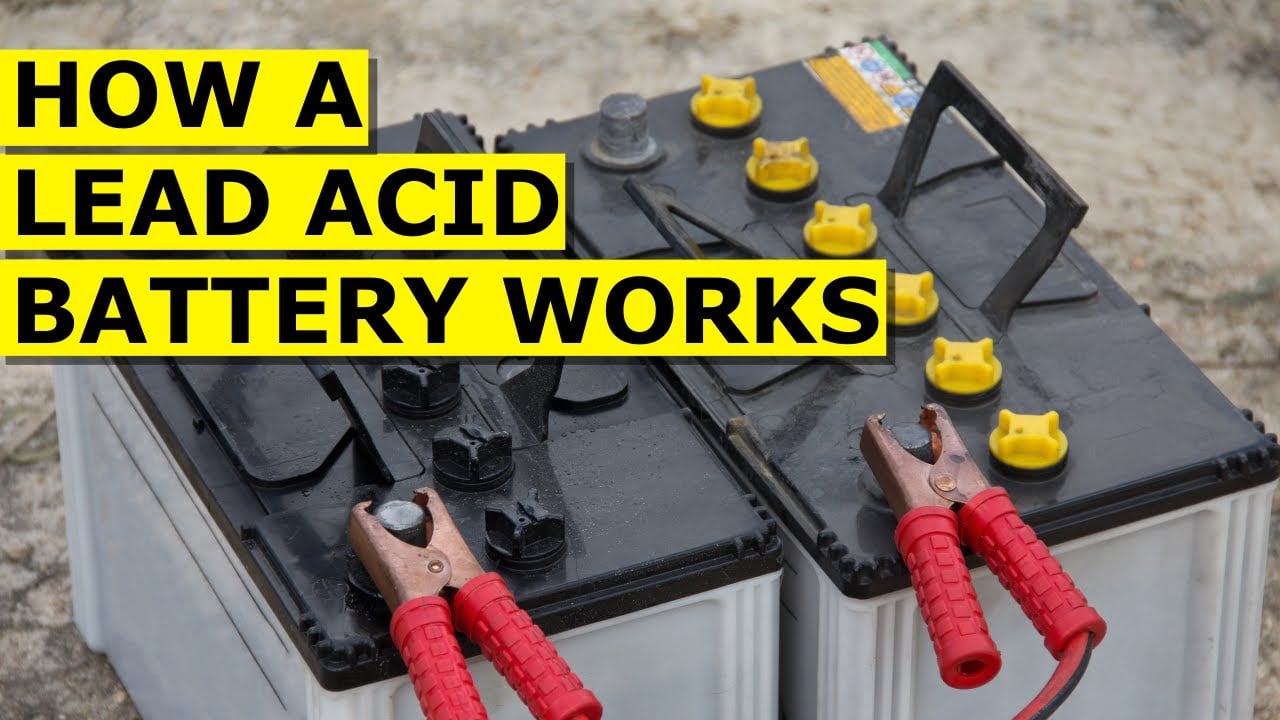
The educational video below explains lead-acid battery operation. It helps distinguish stored electrical energy from the function of the charging source. It is not a fire-pump maintenance demonstration, and its general explanation does not replace the installed system’s safety and acceptance instructions.
Frequently asked questions
Does charger failure mean the battery is already discharged?
Not necessarily. The alarm identifies a condition requiring investigation. Battery capability, charge state and the meaning of the specific alarm must be checked separately using the installed equipment instructions.
Can the fault be ignored if the other battery bank works?
No. Report it promptly and follow the site’s assessment and impairment process. Another starting source does not establish that the system retains its approved reliability or that repair can be deferred.
Is a normal battery voltage enough to close the repair?
No. Resting voltage alone does not demonstrate starting capability, charger performance or alarm restoration. Use the defined battery and charger verification methods.
Should both battery banks be disconnected for testing?
Do not disconnect starting sources without the approved work and impairment plan. Qualified personnel must follow the installed system’s isolation, test and restoration instructions while managing fire-protection availability.
What information should a replacement-charger request include?
Provide the controller and charger identity, battery chemistry and voltage, approved equipment requirements, fault history and required alarm interfaces. Request a documented compatible replacement rather than a generic charger of similar output.