
The fuel tank sits at the boundary between the pump package supplier and the site trades, which makes it one of the most common sources of delivery-day surprises. On some contracts the tank arrives mounted on the pump base; on others it is a separate item…
Direct Answer
A diesel fire pump fuel tank is first a scope and interface question: the approved project documents define who supplies the tank, where it sits, and how it connects, before any hardware decision is made. This article is a project-review aid for contractors, engineers, distributors, and procurement teams. It does not replace an engineer, an authority, a commissioning plan, or the equipment manufacturer’s verified documentation.
1. Why the Fuel Tank Is a Scope Question First
The fuel tank sits at the boundary between the pump package supplier and the site trades, which makes it one of the most common sources of delivery-day surprises. On some contracts the tank arrives mounted on the pump base; on others it is a separate item with its own supports, and on others it is excluded from the package entirely. None of these arrangements is wrong by itself. The problem appears when the project team assumes one arrangement while the purchase order describes another.
Treat the tank as a scope item that must be traceable to the approved equipment schedule and package documents. Every question in this article is a document question first and a hardware question second, which keeps responsibility clear when something is missing.
2. Define the Supply Split Before Ordering
A short supply-split review before the order is placed prevents most fuel-system gaps. The goal is a written answer, with a document reference, for each row below.
| Scope item | Question to resolve in the project documents |
|---|---|
| Tank and supports | Is the tank part of the pump package or field-supplied, and who provides supports and anchoring? |
| Fuel piping | Which lines are factory-fitted and which are installed by site trades, and where is the handover point? |
| Level indication | What instrumentation ships with the tank, and what does the project add for monitoring? |
| Containment | How do the project documents address spill control, and which party provides it? |
| Filling and venting | What filling route and vent arrangement are documented, and who terminates them? |
3. Locate the Tank Interfaces in the Project Documents
Once the supply split is written down, walk the interfaces. A diesel fire pump fuel tank typically presents supply and return connections, a fill point, a vent, a drain, level indication, and grounding or bonding provisions, together with clearance for inspection. Each of these should be identifiable in the approved drawings rather than assumed from a catalog image.
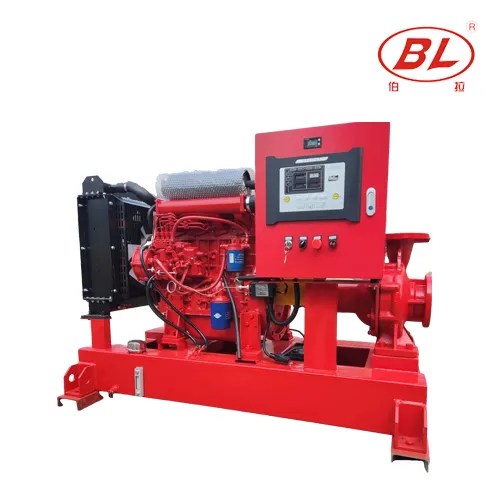
Where an interface cannot be found in the documents, log it as a project question with the drawing reference and route it to the responsible engineer. Filling the gap with a value remembered from another project is how mismatched fittings and orphaned connections reach site.
4. Review Installation and Access Considerations
The tank location relative to the engine, access for filling and inspection, mechanical protection, ventilation coordination, and support arrangement are all installation matters that the project design answers. During a receiving or installation review, the team’s job is to compare what is being built against the current drawing revision, not to judge adequacy by eye.
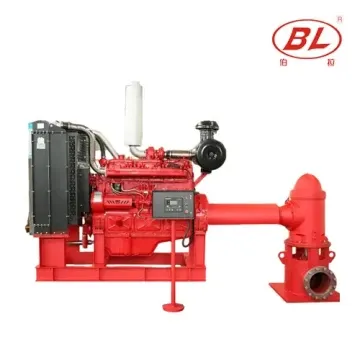
Pay attention to access in the finished state: a tank that can be reached during construction may be blocked once walls, cable trays, or ducts are complete. Raise access conflicts early as coordination items, because relocating a connected tank later is a far larger change.
5. Plan Inspection and Records for the Fuel System
Records make the fuel-system review usable at handover. Keep the stages separate so an exception found late can be traced to the stage where it appeared.
| Review stage | Evidence the project team files |
|---|---|
| Receiving | Tank, fittings, and instrumentation matched to the documented package scope, with photographs. |
| Installation check | Connections, supports, and clearances verified against the approved drawing revision. |
| Pre-test review | Documented fuel path, isolation points, and access confirmed before any engine run. |
| Handover | Records filed with equipment tags, drawing references, and open exceptions listed. |
6. Procurement Questions for the Fuel Tank Scope
When requesting a diesel fire pump package, state the driver requirement, the expected tank scope, the destination, the documents required, and any project constraints that affect the fuel system, and ask the supplier to state inclusions and exclusions in writing. A quotation that names what is not supplied is more useful than one that stays silent, because the gap list becomes the site scope.

See the BORRAPUMP Fire Pump guide for related resources, or contact BORRAPUMP with controlled project data for a package discussion.
7. Fit and Compliance Boundary
This article does not certify a system, does not size equipment, and does not claim approval to any named standard, listing, or local authority. It is a review aid. Final selection, installation, testing, and acceptance require the current project documents, responsible professionals, the applicable authorities, and the manufacturer’s verified data for the specific equipment supplied.
FAQ
Who decides the diesel fire pump fuel tank capacity?
The approved project design and the responsible engineer define capacity using the applicable requirements and verified engine data. A web article or a generic rule cannot set it.
Is the fuel tank always part of the pump package?
No. The supply split varies by contract. The package scope documents and the equipment schedule state what ships with the pump and what the site provides.
Which tank interfaces should be identified before installation?
Fill, vent, supply and return lines, drain, level indication, containment, supports, grounding, and access clearance, each located in the approved drawings.
Can containment requirements be copied from another project?
No. Containment and spill control depend on the applicable local requirements and the current project documents. Confirm them with the responsible engineer and authority.
What records support handover of the fuel system?
Receiving checks, installation verification against drawing revisions, pre-test reviews, and exceptions filed with equipment tags and document references.
How should a discrepancy at the tank be handled?
Log the observation with drawing and tag references and route it through the project review process rather than improvising a field correction.