
When it comes to the importance of diesel fire pumps in a fire protection system, they are much more than just another set of pumps used to provide an efficient method of putting water onto a fire. A diesel fire pump provides the necessary reliable and durable source of water for the extinguishing of fires during an emergency. Diesel fire pumps are designed to continue to run without any mechanical failure even if there is a loss of electrical power supply. This makes diesel fire pumps an invaluable asset in all types of settings, whether they are commercial, industrial, or private residential properties. But, one of the most common concerns shared by property managers, facility operators, and safety personnel is how long do diesel fire pumps operate? This article will provide you with everything you want to know about diesel fire pumps, including their run times, different types that exist, major advantages, and what applications they are typically found in. With this information, you will be able to maximize your level of safety in your property as well as maximize the performance and effectiveness of your fire protection system.
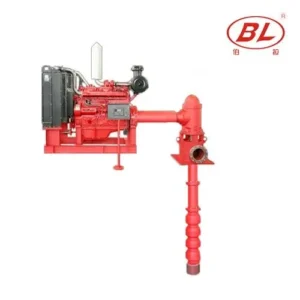
What is a Diesel Fire Pump?
A diesel fire pump is a specially designed pumping unit that is powered by a diesel engine and produces a high pressure source of water for use in an emergency fire situation. Diesel fire pumps play a key role in fire safety systems because they will often provide a redundant source of water pressure during power outages when electric fire pumps are unable to operate. When a water-based fire protection system (like a sprinkler system) detects a loss of water pressure or triggers an alarm, a diesel fire pump will automatically provide water in a steady flow to suppress and ultimately extinguish fires.
Pump units operate autonomously and are built to meet the highest performance levels, thus making them highly reliable in all types of conditions. Pump units have been extensively used in remote/local locations with irregular or inconsistent electricity supply.
How Long Do Diesel Fire Pumps Run?
The fuel supply, operational capacity, and maintenance will be the three primary items affecting how long a fire pump will run. These factors will be examined as follows:
1. Fuel Availability: Diesel fire pumps rely on their fuel supply to keep running. Most diesel fire pumps are equipped with onsite fuel tanks that can support operations for a specific duration, typically ranging from 8 to 24 hours or more. However, with additional fuel storage and refueling plans, this runtime can be extended indefinitely if necessary. It’s crucial to plan for emergency fuel storage as part of the fire safety strategy so that the pump can operate continuously during long-duration fire incidents.
2. Operational Capacity: High-capacity diesel fire pumps may consume fuel at a faster rate when providing water at increased pressures. Larger pumps often feature more powerful engines, which naturally require more fuel. Depending on the size of the pump, fuel consumption rates can vary significantly.
3. Maintenance: Well-maintained diesel fire pumps are designed and tested to operate continuously for hours, sometimes even days. Routine maintenance, such as fuel system checks, battery testing, cooling system inspections, and lubrication, ensures the pump runs efficiently when needed.
Diesel fire pumps have the ability to work for an indefinite period in emergency situations (for example: a large fire, or an emergency response to a natural disaster) if there are still essential supplies (such as fuel and cooling water) present. The standard in the industry suggests that at minimum there should be eight (8) hours’ worth of fuel available for emergency use. NFPA 20 is a guideline for the requirements of diesel fire pumps.
Types of Diesel Fire Pumps
Diesel fire pumps are available in multiple types to meet a variety of operational requirements and applications. The following lists the most frequently found diesel fire pump types:
Horizontal Split-Case Pumps: Renowned for their efficiency and ease of maintenance, these pumps are widely used in industrial and municipal applications where high water flow is required. They are capable of generating large volumes of water for extensive fire suppression.
Vertical turbine pumps are pumps applied to water sources that are underground, such as reservoirs or wells, rivers, etc. This type of pump is designed to provide a continuous flow of water in situations where traditional water supply sources are not readily available in the area.
End Suction Pumps: These pumps are compact and versatile. They’re typically used in smaller fire protection systems or can be added to larger installations as supplementary units.
Inline Vertical Pumps: Great for limited spaces, inline vertical pumps help keep the reliability of delivery from buildings that lack enough room for the placement of their delivery equipment. Examples include the installation of inline vertical pumps in multi-story apartments and condominiums, etc.
Advantages of Diesel Fire Pumps
Diesel fire pumps provide many advantages, making them a critical component of modern fire safety systems. Here are the top reasons why they are preferred over other types of fire pumps:
Independent Power Source: Unlike electric pumps, diesel fire pumps remain unaffected by power outages, which are common during fire incidents. Their reliance on diesel engines ensures continuous operation even in emergencies when electrical systems fail.
High Performance: Diesel fire pumps are built to provide consistent and powerful water pressure. This makes them highly effective in large-scale firefighting scenarios, such as those faced by industrial plants or high-rise buildings.
Sustainability: Diesel fire pumps are designed to operate for long durations without overheating. They can be equipped with advanced cooling systems to maintain optimal performance during emergencies.
Durability and Longevity: These pumps are engineered with robust materials to withstand extreme conditions and environmental factors, ensuring years of reliable service when maintained properly.
Applications of Diesel Fire Pumps
Due to their reliability and versatility, diesel fire pumps are utilized in a wide array of applications, including:
Building and Facility Protection: Diesel fire pumps are indispensable in ensuring the safety of large commercial complexes, warehouses, and high-rise buildings.
Industrial Applications: Factories, manufacturing units, and chemical plants often use diesel fire pumps to protect against potential fire hazards.
Mining Operations: Due to their robust nature, diesel fire pumps are suitable for the demanding conditions in mining operations, providing reliable fire protection in remote locations.
Oil and Gas Industry: In high-risk environments like refineries and oil platforms, diesel fire pumps are vital for maintaining safety standards and addressing emergencies effectively.
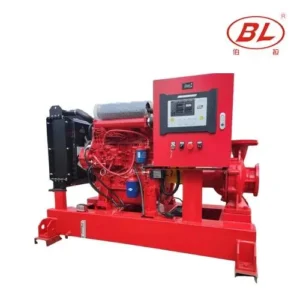
Frequently Asked Questions
What is the function of a diesel fire pump?
The main role of a diesel fire pump is to provide high-pressure water for fire suppression. It activates when the water pressure in a fire protection system drops, ensuring a continuous supply to sprinklers or fire hoses.
What is the lifespan of a diesel fire pump?
With appropriate maintenance, a diesel fire pump can last for decades. Regular inspections, parts replacements, and adherence to manufacturer guidelines will ensure its longevity and reliable performance.
Can diesel fire pumps operate in freezing conditions?
Yes, diesel fire pumps can be configured to operate in low temperatures. With the addition of antifreeze systems and careful preparation, they can function reliably even in freezing conditions.
Are diesel fire pumps noisy?
Diesel fire pumps can be noisier compared to electric pumps due to the engine operation. However, soundproofing enclosures or remote installations can help minimize the noise levels.
Conclusion
In conclusion, diesel fire pumps are essential for providing reliable water pressure during emergencies, supporting fire suppression even in the absence of electricity. With proper fuel management and maintenance, these pumps can run continuously for extended periods, offering peace of mind to property owners and safety managers. Whether it’s their high performance, durability, or adaptability across a wide range of applications, diesel fire pumps are a cornerstone of effective fire protection systems, making them a valuable investment in safety and security.