
Jockey pump overload tripping means the motor-protection system has detected a condition requiring investigation; it does not by itself identify a failed hydraulic pump. Separate an immediate trip from a trip after running, identify the actual protective device, and have qualified personnel compare electrical, mechanical and operating evidence. Repeated resets or a higher overload setting can hide the original fault. Keep the approved fire-protection sequence intact, involve the responsible service contractor, and follow the site’s impairment procedure whenever pressure maintenance is unavailable. This guide helps owners prepare a useful diagnosis and restoration record without giving instructions for live electrical work.
Confirm what actually tripped
A report that “the pump trips” can describe several events: a motor overload indication, circuit breaker operation, a blown fuse, drive fault, control-power loss or an automatic shutdown initiated elsewhere. Those events require different investigations. Photograph externally visible indications and record the exact message, device identifier and time before anyone clears the evidence.
Establish whether the motor began turning, how long it ran and what happened to system pressure. A controller start command is not proof that the motor rotated. A pressure drop after the event may be a consequence of lost pressure maintenance rather than its original cause.
Use the jockey pump controller guide for the overall control function. If no protective trip is confirmed and the motor never receives a valid start command, the jockey pump not starting guide is the more appropriate branch. This article concentrates on confirmed protection events.
Preserve fire-system readiness first
The jockey pump maintains pressure under the approved system arrangement; it does not replace the main fire pump’s required fire-flow function. A fault can change the frequency of main-pump starts or expose an existing pressure-loss problem. The responsible fire-protection specialist should assess the service implications before testing proceeds.
Follow the site’s notification and impairment process where applicable. Do not disable main-pump automatic operation, change its pressure settings or isolate fire protection just to make jockey troubleshooting quieter or easier. Any necessary isolation needs its own approved plan and restoration record.
The HSE’s electrical safety guidance supports competent work, suitable precautions and safe maintenance arrangements. It is general safety guidance from the United Kingdom, not a substitute for the installation’s adopted electrical or fire-protection requirements. Owners should arrange qualified diagnosis rather than opening a controller to collect measurements themselves.
Use trip timing to organize the investigation
Timing narrows the evidence needed, but it is not a diagnosis. Record whether the event followed a cold start, repeated short cycles, a long pressure-recovery run or a recent repair. Include the ambient conditions and other equipment operating at the time if those observations are available.
An immediate event can lead qualified personnel to examine supply, starting circuit, motor condition, mechanical restraint and protection coordination. A delayed event may require running-load, cooling, duty-cycle and supply-quality evidence. Either pattern can have more than one cause, so avoid replacing components solely from elapsed time.
| Observed pattern | Evidence to preserve | Qualified investigation branch | Unreliable shortcut |
|---|---|---|---|
| Trip during attempted start | Exact protection indication and whether rotation occurred | Supply, starter, motor and mechanical freedom | Repeatedly resetting to see if it clears |
| Trip after sustained running | Run duration, pressure recovery and operating condition | Load, cooling, supply quality and motor condition | Increasing the setting without design review |
| Trip after many short starts | Start history, pressure trend and recent control changes | Duty cycle and pressure-maintenance behaviour | Widening pressure settings arbitrarily |
| Trip after maintenance | Work scope, replaced parts and as-left documents | Wiring, assembly, alignment and configuration checks | Assuming the new part cannot be involved |
| Trip coincident with another load | Event times and available supply records | Shared supply and connection condition | Blaming the pump from coincidence alone |
The table is an evidence-routing aid. It gives no universal trip setting, permissible start count or acceptance limit. Those must come from the identified motor, protection device, controller documentation and applicable project requirements.
Review electrical evidence with qualified personnel
Provide the motor nameplate, supply information, starter or drive identification, approved schematic and protection settings. Ask the contractor to state how the as-found settings compare with the correct documents. A value copied from an adjacent pump is not a valid reference unless the equipment and approved requirements truly match.
Where measurements are justified, competent personnel should select the method and safe-work arrangements. Useful records may include supply conditions during the relevant event and motor loading under an identified duty. A single unloaded voltage reading collected after the trip may miss the original disturbance.
The US Department of Energy’s operations and maintenance best-practices guide identifies motor concerns including supply quality, overload, cooling restrictions and maintenance condition. These are investigation categories, not proof that any one condition exists at your pump. Do not apply a numerical limit from an unrelated motor example to the installed assembly.
Check mechanical load without assuming a seized pump
Mechanical resistance can originate in the pump, coupling, motor bearings or an assembly problem. Qualified personnel should make any physical checks only after the appropriate isolation, pressure release and verification of a safe condition. Automatic start capability and trapped pressure both need attention.
Retain the as-found condition before dismantling. Note recent seal or bearing work, alignment changes, unusual noise, leakage, temperature observations and visible coupling issues. These observations help determine whether the fault developed gradually or followed a specific intervention.
Do not force a shaft, run without guards or loosen pressurized connections to test a theory. If dismantling is required, identify each component and preserve damage evidence. A documented mechanical finding is much stronger than a conclusion that “it felt tight” without the method, condition and equipment reference.
Relate motor load to the actual hydraulic duty
Record the pressure before starting, pressure during the run and whether the pump reaches its approved stopping condition. Include known valve positions, water availability and any recent changes to the piping. A motor current value without the operating point gives an incomplete picture.
The effect of flow on motor load depends on the actual pump curve and pump type. Do not assume that throttling always solves overloading or that every centrifugal pump behaves identically across its operating range. Compare the selected model’s permitted operating region and driver requirement using its supplied curve.
If the pump repeatedly runs for longer than expected, investigate the pressure-maintenance demand as a separate issue. A water-loss problem can increase operating time while an electrical or mechanical weakness remains the direct reason for a protection event. Both mechanisms can coexist, so fixing only one may leave the system unreliable.
Investigate repeated starts and cooling conditions
Review controller logs or observation records for starts, runtime and stops. Distinguish genuine system demand from unstable sensing or an unsuitable sequence. Do not invent a permitted number of starts per hour; obtain the applicable motor and controller limits and compare the observed duty with those limits.
Check the accessible surroundings for blocked ventilation, unusual room temperature, dust accumulation and changes made around the equipment. Acoustic covers, storage or temporary partitions can interfere with cooling or service access. Their presence does not prove overheating, but it belongs in the investigation record.
Cooling time before an authorized reset depends on the equipment and fault. Waiting an arbitrary number of minutes is not evidence that the root cause has disappeared. Repeated operation until another trip can worsen damage and destroy useful diagnostic evidence. Agree on stop criteria before any supervised retest.
Match the service request to real equipment
The CDL(F) vertical multistage jockey pump is a real BorraPumps product reference. Its photograph does not establish motor current, voltage, service factor, protective-device settings or the controller supplied on a particular project. Read the installed nameplates and obtain the matching documents.
For service or replacement enquiries, send the model and serial identification, nameplate photographs, event timeline, controller message, approved duty point and recent maintenance scope. Describe whether the event occurs immediately, intermittently or after sustained running. State which findings came from observation and which came from a qualified measurement.
Ask for an as-found diagnosis, the reason for any setting or component change, the documents used and a witnessed restoration plan. A quotation to replace the whole pump should explain why the evidence points to the hydraulic assembly rather than supply, motor, controller or operating duty.
Verify the repair and close the record
Before restarting, confirm that the identified fault has been corrected and the equipment is suitable for the planned test. Restore guards, connections, approved valve positions and required operating modes. Clearing an indication is a preparation step, not acceptance of the repair.
Witness the authorized automatic start, pressure recovery and applicable stop response. Have qualified personnel record the relevant running evidence and confirm that it meets the equipment-specific requirements. Recheck the condition associated with the original event where this can be done safely within the approved plan.
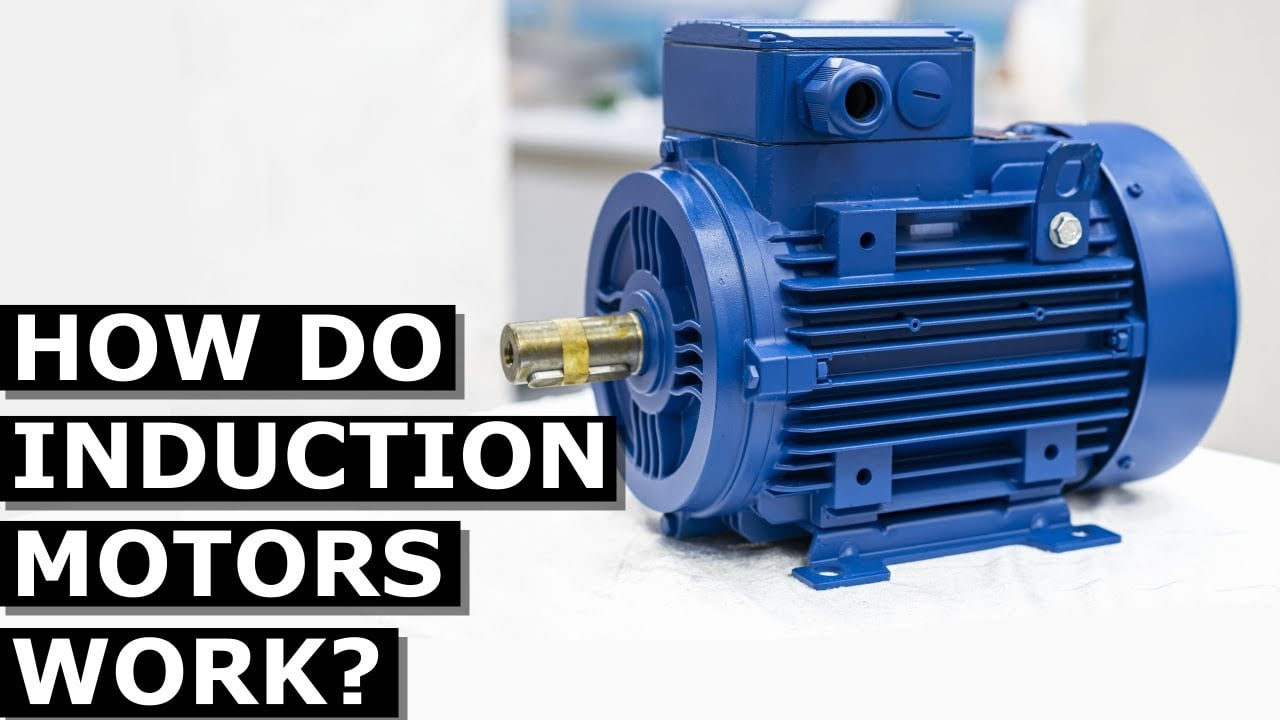
Use the jockey pump pressure settings guide to understand why approved setpoint relationships must be preserved; do not change them to conceal a trip. Record the final controller mode, alarms, test results and responsible sign-off. The educational video below explains induction-motor basics as background, not a live troubleshooting procedure or a guide to fire-controller protection settings.
Frequently asked questions
Can the overload simply be reset once?
Any reset should follow the identified equipment’s instructions and the responsible contractor’s assessment. Preserve the indication first and establish whether restarting is safe. A reset that permits operation does not demonstrate that the original cause was corrected.
Does a trip mean the jockey pump is undersized?
No. Pump size is only one possible part of an investigation. Electrical supply, motor condition, mechanical resistance, cooling, protection configuration and actual operating duty need to be considered using evidence from the installed equipment.
Should the overload setting be increased to stop nuisance trips?
Do not increase it as a trial remedy. Qualified personnel must verify the correct protection arrangement against the motor, controller and applicable requirements. A higher setting can conceal a damaging condition rather than repair it.
Can frequent starting contribute to the problem?
Repeated starting can affect motor heating and needs comparison with the supplied duty limitations. Investigate the actual start history and pressure-control behaviour. Do not assume that frequent starts alone explain every trip or change settings without an approved basis.
What proves that the system is ready again?
A documented correction, equipment-specific verification, witnessed automatic pressure-maintenance test and return to the approved normal configuration provide stronger evidence than a cleared alarm. Retain the final record and arrange follow-up appropriate to the original fault.