
Public searches for a jockey pump price return a mixture of retailer catalogues, marketplace listings, individual equipment offers, and fire-pump package pages. A buyer can use those results to prepare an enquiry, but should not assume that the figures refer to the same scope.
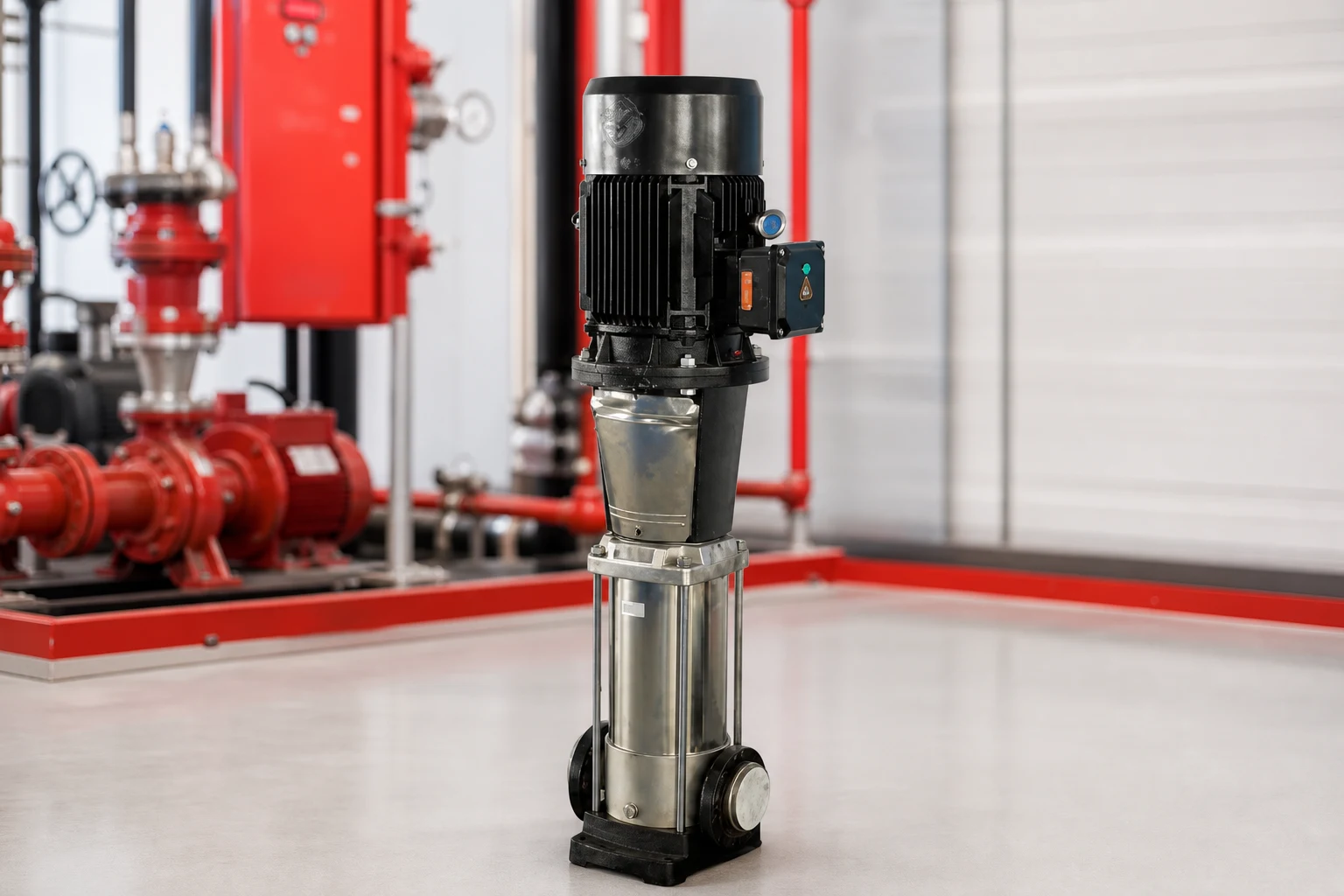
Part 1. Begin With a Defined Commercial Question
A jockey pump price request should say what the buyer wants the supplier to price, what project documents are available, and which matters remain open. That turns a broad search term into a commercial question that can be answered in writing.
Search pages often put pump-only entries next to assemblies or package-related products. The shared keyword does not make the commercial boundary shared. A useful first request separates the equipment being asked about from any additional project or package context.
Part 2. Treat a Public Price as a Starting Signal
Catalogue and marketplace results can reveal how sellers describe an item, which details they foreground, and whether a request-for-quote path is needed. They do not establish the exact inclusions, documents, availability, or final terms for a project.
Important: A public price is not evidence that a product or package is approved for a particular project. The applicable project documents and authority process control that review. The National Fire Protection Association publishes fire-safety standards, but a search result does not replace the applicable review.
Record the source, date, stated commercial basis, and any conditions shown next to the number. When one of those details is absent, leave it open rather than converting a public listing into an assumed quotation.
Part 3. Keep Pump and Package Contexts Separate
An individual pump entry and a fire-pump package reference may appear in the same results page, yet they can describe different commercial boundaries. The question for procurement is not which entry looks lower. It is whether each supplier has addressed the same written request.
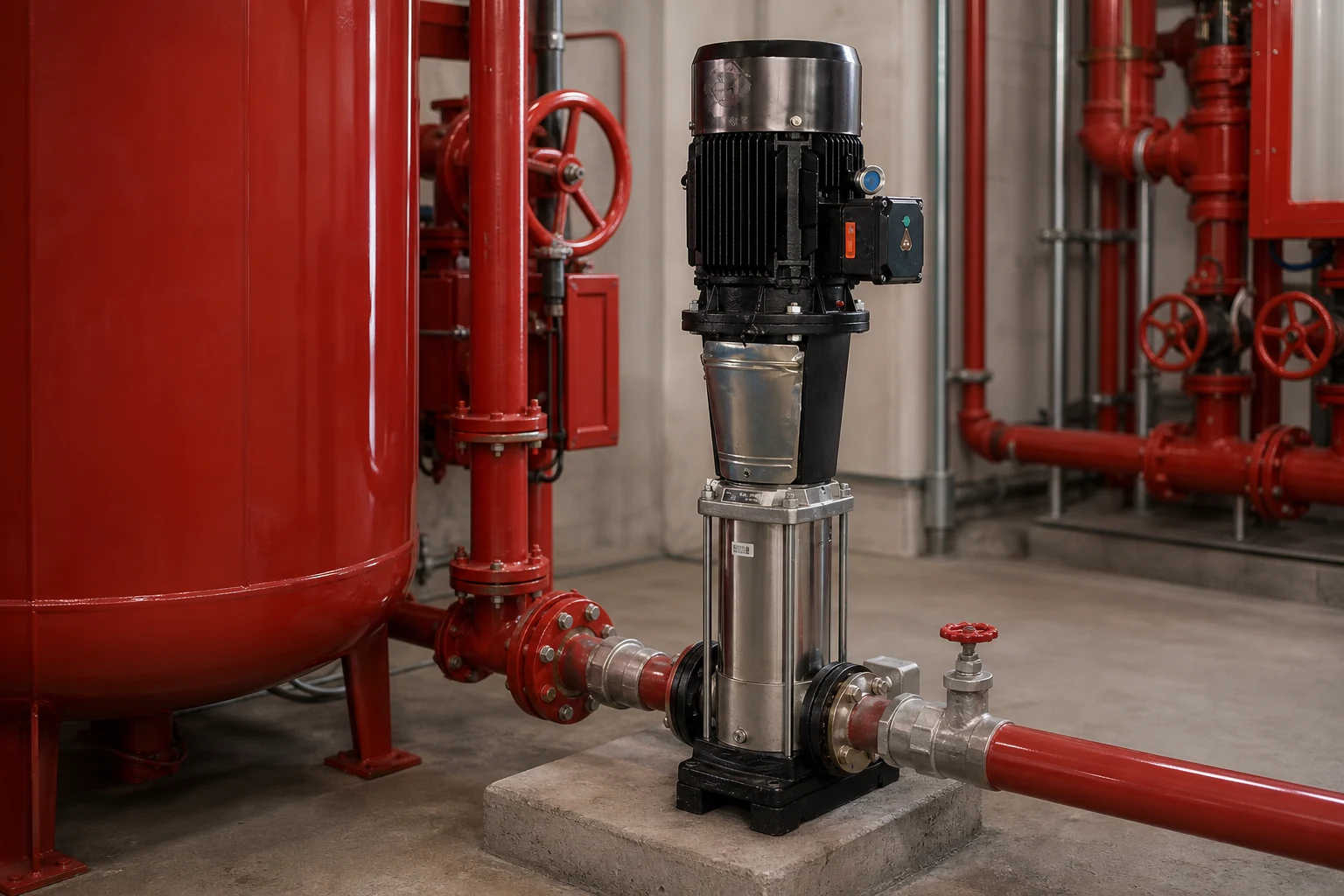
The jockey pump fire package guide gives background on the topic cluster. Use it for terminology and related reading, not as proof that a particular offer includes a stated package or meets a project requirement.
Part 4. Build a Like-for-Like Offer Review
Use one comparison record for each response. If a supplier has not stated an item, mark it as open. That approach prevents a missing line from being treated as an included line.
| Review heading | What to capture | Boundary to keep visible |
|---|---|---|
| Requested equipment | Supplier’s written equipment description | Do not infer unlisted items. |
| Package context | Whether the response names a broader assembly | A package reference is not an approval statement. |
| Commercial basis | Currency, destination, validity, and assumptions | A number without its basis is not comparable. |
| Documents and questions | Files supplied, revision, and unanswered items | An unanswered point remains open. |
For a different project-review lens, read the fire pump and jockey pump diagram guide. Diagram reading does not set a commercial scope or approve an offer.
Part 5. Give Suppliers the Inputs They Need
Put enough context into the RFQ for the supplier to respond against a recognizable request. The table is an enquiry checklist; it is not a specification and it does not promise price, performance, documentation, or final configuration.
| Buyer should provide | Ask the response to state | Keep open until confirmed |
|---|---|---|
| Project reference and delivery destination | Written equipment boundary | Items not expressly addressed |
| Relevant document or drawing revision | Commercial basis and validity | Project review outcome |
| Required response format | Document list and assumptions | Final package scope |
| Known interfaces or exclusions | Clarifying questions | Price, lead time, and availability details |
Testing information belongs in its own record. The jockey pump testing article can support that separate discussion without implying a commercial conclusion here.
Part 6. Route a Documented Inquiry Carefully
The EDJ Integrated Fire Pump Set page is an inquiry route for buyers who want to start a documented conversation. It should not be read as a fixed-price page or a final selection statement.
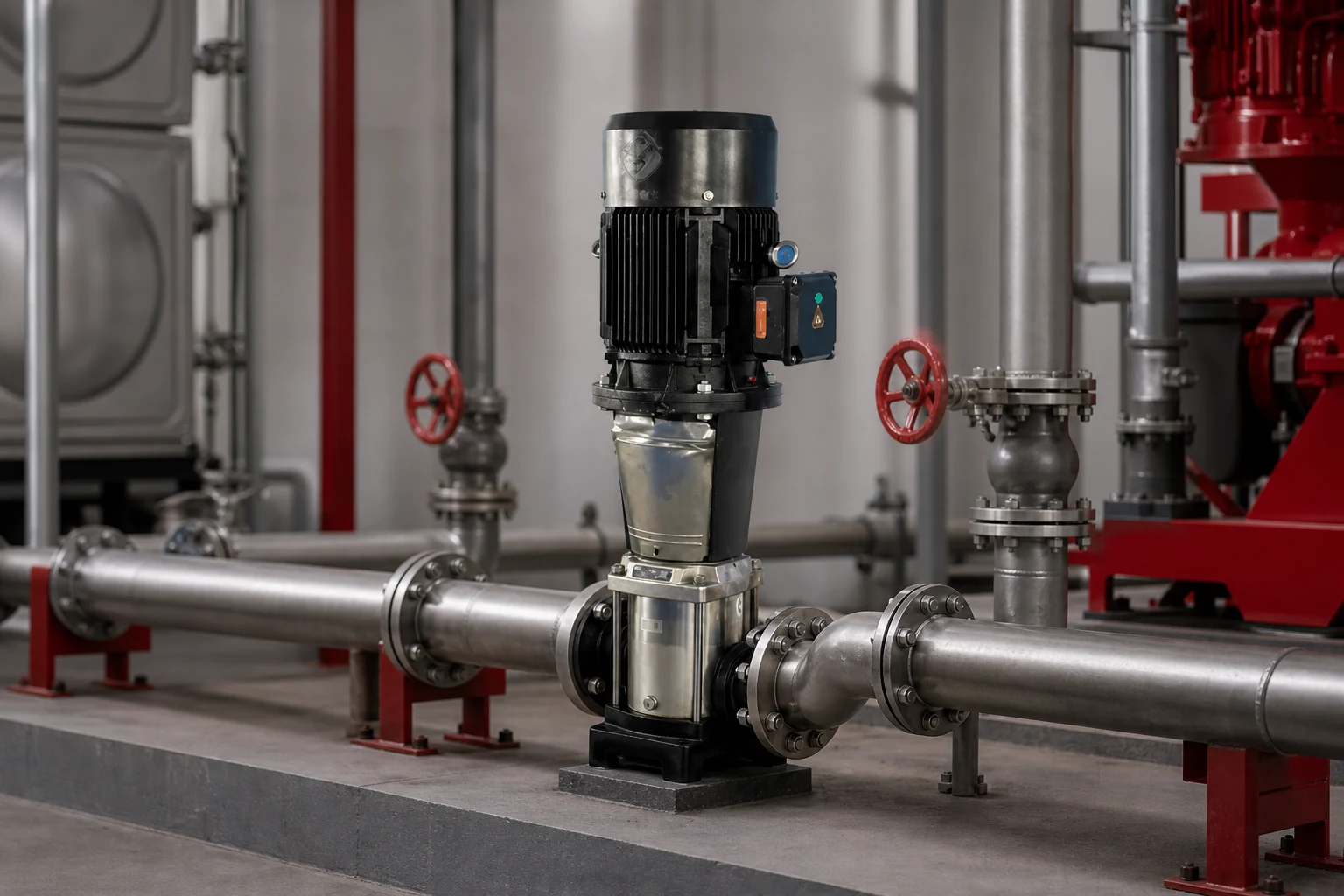
Product recommendation: use the EDJ page to identify the family to discuss, then send documented project inputs for a scoped response. Do not recommend a final product or package from this article because no verified project duty, approval record, commercial offer, or confirmed inclusion list is available.
Part 7. Preserve Open Items Until They Are Resolved
After responses arrive, keep the original request, the supplier’s written scope, and the unresolved questions together. A short comparison can make it clear which commercial assumptions are aligned and which need another response.
The purpose is not to turn a public number into a universal price. It is to create a traceable enquiry and a fairer offer review before the project team reaches a commercial decision.
FAQs
What should a jockey pump price request identify?
Identify the project reference, requested equipment boundary, relevant document revision, delivery destination, required response format, and open questions. These inputs give the supplier a basis for a written scope response.
Why do public jockey pump prices differ?
The results may be retailer entries, marketplace listings, pump-only offers, or package-related references. Compare the commercial scope and stated basis before comparing figures.
Is a jockey pump price the same as a fire-pump package price?
Not necessarily. An individual entry and a package reference may have different written boundaries. Ask the supplier to state inclusions and exclusions instead of treating titles as equivalent.
What should an offer state about scope?
Ask for the written equipment boundary, package context where relevant, commercial basis, listed documents, assumptions, and questions that remain unanswered.
Can a public price confirm approval or final fit?
No. This page does not confirm certification, listing, approval, performance, pressure settings, installation requirements, or final project fit. Those matters require the applicable project record and review process.
How should a buyer compare two jockey pump offers?
Align the equipment boundary, package context, commercial basis, documents, and open items first. Then the figures can be considered without assuming that missing scope is included.