
As an integral part of numerous fire suppression systems, diesel-fuelled fire pumps are commonly referred to as fire-elevating pumps. In many installations, they serve as the primary means by which to provide water to a sprinkler, standpipe, or hydrant system in the event that the regular water supply does not work or is not adequate to provide sufficient pressure. Diesel fire pumps can also serve as a dependable and self-sufficient source of power, which makes them very important in organisations where continuous, high-density water flow is needed for successful fire control.
What is a Diesel Pump Fire?
To put it simply, a diesel power fire pump is one that has been designed to operate with a diesel engine. Electric-powered fire pumps, on the other hand, depend upon the supply of electricity from a utility company to operate their mechanical systems. By being able to run completely independently of the utility company provided electricity, diesel-powered fire pumps provide the ideal fire protection backup solution for those locations that may experience power failures because of emergencies or facilities needing very reliable and durable fire suppression systems. Diesel-powered fire pumps also meet all of the applicable regulations and guidelines that cover fire pump safety and performance. This provides potential users (e.g., manufacturers and high-rise buildings) with the assurance that their diesel-powered fire suppression system will function properly even under adverse conditions. In addition, diesel-powered fire pumps are frequently found in manufacturing facilities or industrial parks as well as high-rise buildings and other large commercial buildings.
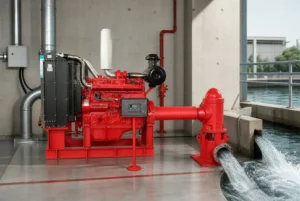
Types of Diesel Pump Fire Systems
Various configurations of diesel fire pumps exist, depending on the requirements of fire protection. Following are some of the more common types identified:
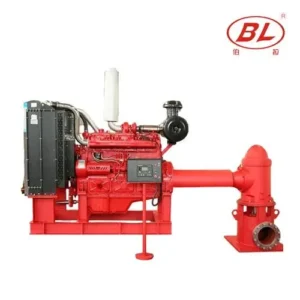
Horizontal split case diesel fire pumps are extremely durable and are also very effective for a wide range of applications. They have a horizontal shaft design which allows them to be used in larger types of fire protection systems.
Vertical In-line diesel fire pumps are compact and save space, making them perfect for applications where they will be installed where floor space is at a premium.
Diesel Fire Pumps with Vertical Turbine: Utilized when the source of water is a well, reservoir or other underground water storage site, the pump has been designed to lift water from below-grade to above- grade in a vertical direction.
Single Suction Diesel Fire Fighting Pumps: A single suction diesel fire pump features a straightforward design and is typically employed in smaller systems or applications that need a medium level of pressure (for example, a fire pump would fall into this category).
When determining what type of diesel pump fire protection system works best for a location, consider the size of the facility and the water supply, in addition to elements required to produce proper water flow/pressure at the sprinkler heads.
Advantages of Diesel Pump Fire Systems
Having many benefits, diesel pump fire systems are ideal for many uses because of their ability to do so:
1.Power Supply Independence: Because diesel fire pumps run on diesel power, they will stay operational even without electricity at the time of an emergency. Therefore, the application of the diesel system offers uninterrupted protection against any type of potential fire outbreak.
2.Reliabilty and robusness: The design of these systems allows them to endure in the most challenging of environments, therefore providing an extremely reliable source of supply for disaster/emergency situations.
3.Long Operating Times: Diesel Fire Pumps can run for long times without needing to connect with an external power source because they carry enough fuel to operate for long times.
4. Broad Use: They can be used in places that do not allow electrical connections (i.e., sites that are remote or industrial).
Fire safety regulations being followed by means of compliance: all diesel pump technology meets or exceeds national and international design, installation, and performance requirements as per applicable fire code regulations utilizing industry standard components for maximum fire safety protection.
Practical Applications of Diesel Pump Fire
There are many practical uses for diesel pump fire systems in residential and commercial settings. Some examples of how diesel pump fire systems can be utilized in these different environments include:
1. Industrial Plant: Industrial plant facilities (factories, warehouses and refineries) often have extreme fire protection needs. Diesel fire pumps provide a consistent water supply pressure in the event of a fire.
2.High Rise Structures: Skyscrapers use diesel powered pump fire protection systems, supplying water to sprinkler systems and hydrants where high elevation requires greater than available water pressure for their operation.
3. The use of diesel fire pumps for fire protection is common in remote locations, e.g., a mine, where little or no available electrical infrastructure exists.
4. Maritime and Offshore Use: The ship, the oil rig, and other offshore facilities require diesel-powered fire pumps to provide effective fire suppression in difficult environments.
Diesel pump fire systems provide outstanding reliability and adaptability when used for a fire protection or suppression strategy.
Maintenance Tips for Diesel Pump Fire Systems
It’s important to maintain regular maintenance on a diesel pump fire system so that it lasts as long as possible and will work efficiently when needed. Here are a few suggestions for keeping your pump system operating optimally:
Conduct regular visual inspections to check for leaks, rust, or damage to components.
Test the system according to the manufacturer’s guidelines or local fire safety code requirements.
Maintain adequate fuel reserves to ensure uninterrupted operation during emergencies.
Change filters, oil, and other consumable parts as per the recommended schedule.
Train personnel to operate and troubleshoot the system in case of emergencies.
Frequently Asked Questions
What is the primary purpose of a diesel pump fire system?
Diesel engines are used for providing power for fire suppression systems when there are no other sources of energy or electricity available. Diesel engines do not require an external source of electrical energy so they provide fire protection no matter what happens to the electrical energy supply during an event that requires the use of fire suppression systems, such as a fire.
How does a diesel fire pump differ from an electric fire pump?
A diesel fire pump operates using diesel fuel to provide pumping capabilities, whereas an electric fire pump uses electrical energy for the same purpose. It is not uncommon for agencies or businesses that purchase diesel fire pumps to do so because they have experienced significant power outages and want to ensure that their fire pumps will work in those situations.
What maintenance is required for diesel pump fire systems?
Regular maintenance usually includes performing checks and testing the system, refilling fuel, and replacing various items such as filter elements or oil. Performing these tasks keeps the system working properly and can be counted on to work when needed.
Where are diesel pump fire systems commonly used?
Fire protection is critical. Therefore, most of these types of fire protection systems are installed in industrial plants, high-rise buildings, isolated areas and offshore locations where fire safety is essential.
Overall, the diesel pump fire system is critical for protecting against fires, providing reliable operation under difficult circumstances, and understanding the types, benefits, and maintenance needs of these systems helps ensure your facility is ready for any type of fire emergency. The selection of the most appropriate diesel pump solution for your fire protection system should not only protect your business, but also represent an important aspect of protecting lives, property, and operations.