
Water Transfer Pumps are vital tools when it comes to managing agricultural property maintenance or dealing with an unexpected flood. These pumps can effectively transfer fluid from one location to another; as such, they serve multiple purposes (agriculture, property maintenance and other). In this article, we will discuss four key features about Water Transfer Pumps including what they are, what they do, how they work, and what benefits they provide. Once all of the above information has been reviewed, you will have an understanding of how to pick the most appropriate/Pump for your application and how to get maximum performance from your Pump.
What is a Water Transfer Pump?
Depending on what type of liquid needs to be transferred, water transfer pumps can have various designs, power sources and flow rates. Transfer pumps can include electric or gasoline powered pumps and can sometimes be manually operated. These pumps are designed primarily to provide a constant flow of liquid; they are extensively used in agricultural, commercial construction, water supply and all other industries requiring water or other liquid to be transferred from one location to another.While the principal purpose of any pump is to move water, the various design characteristics and power sources determine the appropriate use of any given pump.
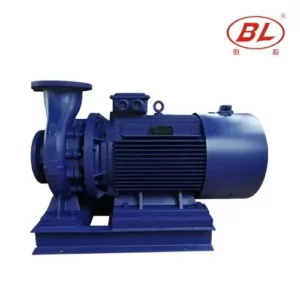
The Main Function of a Water Transfer Pump
A water transfer pump is primarily designed to effectively move water (or other liquids) from one location to another. This versatility makes this type of pump applicable to many different circumstances. Here are several examples where a water transfer pump can solve an application problem:
Dewatering: The pumps will efficiently dewater areas during major storm events by removing water from basements, construction projects, and wells that are currently flooded or have waterlogged ground conditions.
Irrigation: Water transfer pumps are often used by farmers and gardeners to irrigate crops or to maintain a large garden where there is little access to water.
Swimming Pools: These pumps simplify and speed up the process of filling/emptying swimming pools and spas significantly.
Firefighting Backup: Fire fighting requires a water source typically supplied by portable water transfer pumps drawing/unloading water from lakes/rivers/tanks, etc., to be used as an emergency water supply.
Rainwater Harvesting: Additionally, these pumps may also be installed in systems that use recycled rainwater to supply water in a way that is environmentally friendly.
A properly chosen water transfer pump can significantly reduce time and effort over a variety of tasks, from everyday household ones to large scale industrial projects.
How Does a Water Transfer Pump Work?
Working with and maintaining a water transfer pump is easier if you know how it operates. Essentially, these pumps work on theories of fluid mechanics. A motor and an impeller are the two key components that make up a water transfer pump.
Here’s a simple breakdown of the working process:
Inlet and Suction: Upon starting the pump’s operation, the water flows into the pump through its inlets. The action of the impeller (which turns) to create a vacuum, and thus draw the water into the form.
Impeller Action: The rotating impeller is used to push the fluid via either centrifugal force or by building up internal pressure (depending on the pump type) to move the fluid through the system.
Discharge Outlet: The water is then discharged through the outlet, either being sent to its intended destination or being stored until needed.
Depending on which type of pump you are using (piston, diaphragm or centrifugal), the specific ways of operating will differ, but they all generally work from the same principle; transferring mechanical energy into fluid movement.
Types of Water Transfer Pumps
If you want to select the most appropriate long-distance water pump for your requirements, it is necessary to be aware of the many kinds of water transfer pumps available. Below are the most prevalent examples:
Electric Water Transfer Pumps: With a lightweight construction, an easily transportable size and easy to operate functions, these pumps can be used for applications where electric power is readily available, and are expected for residential use and small businesses.
Gas-powered Water Transfer Pumps: These pumps run on gas; therefore, they produce lots of power and are good for heavy-duty or remote jobs as long as you do not have an electric power source nearby.
Diesel Water Transfer Pumps: These are strong and use less gas making them good for working long hours on big farm or construction jobs.
Manual Water Transfer Pumps: Hand-operated pumps are useful for emergency situations and for small jobs. They do not need electric power or batteries to operate.
Advantages of Using a Water Transfer Pump
Water transfer pumps offer numerous advantages for those who own and utilize them. These advantages can make owning and utilizing a water transfer pump a valuable investment for many applications.
Time-Saving: The process of ‘hand-filling’ would take an inordinate amount of time to move large quantities of water. But a water transfer pump has the capability of handling this task quickly and efficiently.
Versatility: The pumps have been designed to provide solutions for many different types of terrain and can be used for many different types of applications, including both everyday needs and industrial requirements.
Ease of Use: Many contemporary pumps are easy to operate. They usually require little time to set up and maintain after installation. Most pumps will continue to function properly for many years if well taken care of.
Cost-Effectiveness: Through the reduction of subjectively incurred costs associated with unnecessary manual effort, water transfer pumps can help decrease costs related specifically to both time and energy.
Portability: Many models, especially smaller electric or gas-powered pumps, are portable and can be transported easily, making them convenient for on-the-go operations.
Choosing the Right Water Transfer Pump
Selecting the right water transfer pump involves evaluating your specific requirements. Here are some considerations to keep in mind:
Purpose of Use: Are you using it for dewatering, irrigation, or filling tanks? Identifying the purpose will determine the type of pump that best suits your needs.
Flow Rate: Measured in gallons per minute (GPM), the flow rate indicates the speed of water transfer. Large-scale operations will require a higher GPM rating.
Portability Needs: Consider whether you’ll need to transport the pump frequently. If so, a lightweight, compact pump is the best choice.
Power Source: Determine whether you have access to electricity at your location. If not, opt for gas or diesel-powered pumps.
Durability: Assess the durability of the pump, especially if it will be used in high-demand environments such as construction sites.
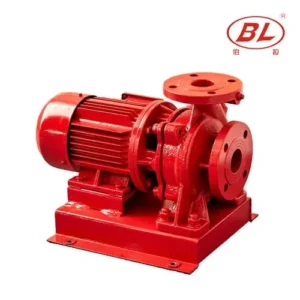
Proper Maintenance for a Water Transfer Pump
To ensure that your water transfer pump delivers optimal performance and lasts for years, regular maintenance is essential. Here are some quick tips to keep in mind:
Inspect the pump and hoses for leaks, cracks, or damage before and after use.
Clean the pump thoroughly after each use to prevent the buildup of dirt and debris.
Check the oil and fuel levels in gas or diesel-powered pumps periodically.
Store the pump in a dry location when not in use to avoid rust or wear.
Follow the manufacturer’s instructions for periodic servicing or replacement of parts.
Conclusion
In conclusion, understanding the functions and features of a water transfer pump is the first step toward making the most of this versatile device. From efficiently managing water flow in your garden to handling larger-scale industrial operations, these pumps offer endless possibilities. With the variety of options available, you’re sure to find a model that fits your needs perfectly. Remember, regular maintenance and proper usage are key to ensuring longevity and maximum efficiency. Investing in a high-quality water transfer pump is not just a purchase—it’s a solution to many of your water management challenges.