
Manual and electric pump routes should be compared through the documented duty, attendance requirement, power readiness, installation conditions, and continuity of work; neither drive type is the universal answer without those project inputs. This guide gives US project buyers a practical comparison structure before they ask a supplier to quote a particular pump arrangement.
Part 1. Compare the Work, Not Only the Drive Type
The choice is not simply hand power versus electricity. A project team is comparing two ways to complete a defined movement or pressure task. Before naming a drive type, document what must happen at the source, along the route, and at the destination. That keeps an electric pump from being treated as a generic upgrade and keeps a manual method from being treated as a no-data shortcut.
| Comparison lens | Manual route | Electric route |
|---|---|---|
| Energy source | Human effort during the task | Compatible electrical supply and equipment |
| Attendance | Continuous operator involvement | Supervision and procedure still required |
| Setup review | Access, handling, route, operator plan | Power, controls, installation, route, operator plan |
| Best decision basis | Short stated task with controlled attendance | Duty and electrical readiness both documented |
The BORRAPUMP Booster Pump guide covers pressure-boosting context. Do not assume every electric pump request is a booster request; Transfer Pump vs Booster Pump separates those different jobs.
Part 2. Establish the Duty Inputs Both Routes Need
Drive choice comes after the duty is described. Record the source, destination, expected outcome, route, liquid condition, duration, and any change in elevation. The same information lets a project team compare a manual method fairly with an electric route instead of comparing two labels with hidden assumptions.
| Input | Why both routes need it | Buyer check |
|---|---|---|
| Source and destination | Defines what is being moved or pressurized | Are both endpoints identified? |
| Route and elevation | Identifies line and installation questions | Is the route measured or drawing-based? |
| Liquid description | Supports material and handling review | Are solids, temperature, or chemistry known? |
| Required duration | Separates a short task from ongoing duty | Is the continuity requirement stated? |
| Expected outcome | Defines transfer, pressure, filling, or another task | Has the job been classified correctly? |
The Hydraulic Institute treats the pump and system as connected decisions. A generic drive-type comparison cannot replace actual duty data or the relevant product curve.
Part 3. Review What Manual Operation Adds to the Project
Manual operation transfers more of the task to the operator. That makes attendance, safe access, handling effort, communication, and a clear stop condition central to the review. It may be a reasonable route for a defined, short, attended activity, but only when the project record makes that boundary visible.
| Manual-route question | Why it matters | Escalate when |
|---|---|---|
| Who operates the equipment? | The work depends on a present, capable person | No responsible operator is assigned |
| How long is the task expected to run? | Human effort must match the stated work | Duration is uncertain or extended |
| Can the route be observed? | Leaks, blockage, and destination changes need response | The path or endpoint cannot be monitored |
| What stops the work? | Prevents improvised continuation | No stop or communication rule exists |
For a focused manual transfer screen, use When Does a Manual Water Transfer Pump Fit?. That page is not a substitute for the site procedure or actual product instructions.
Part 4. Review What Electric Drive Adds to the Project
Electric drive can reduce direct manual effort, but it adds power, controls, installation, and startup questions. The project should identify the available supply, the responsible electrical reviewer, the control arrangement, and the equipment instructions that apply. A requested voltage without a complete duty and installation context is not a finished selection basis.
| Electric-route question | What to verify | Do not assume |
|---|---|---|
| Supply | Available voltage, phase, protection, and location | A nearby outlet proves compatibility |
| Controls | Start/stop responsibility and relevant control logic | All electric pumps use the same control method |
| Installation | Base, piping, access, and environmental conditions | A pump can be placed anywhere power exists |
| Startup | Product instructions, inspection, and responsible roles | A comparison article authorizes energization |
Important: Electrical equipment should be reviewed against the actual product instructions and site electrical safety procedure. OSHA electrical safety resources provide general workplace context; they do not confirm a particular BORRAPUMP configuration.
Part 5. Test Continuity, Access, and Change Control
The project should test how each route behaves when the task lasts longer than expected, the line path changes, or the liquid condition is different from the first description. The better route is the one supported by documented conditions and a responsible response plan, not the one with the more convenient label.
| Change scenario | Manual-route response | Electric-route response |
|---|---|---|
| Longer duration | Recheck attendance and fatigue boundary | Recheck duty, supervision, and power continuity |
| Route change | Update line and access record | Update line, installation, and duty record |
| Liquid change | Pause for compatibility review | Pause for compatibility and equipment review |
| New pressure requirement | Do not force a transfer method into boosting | Classify the pressure system before selecting a package |
For physical installation context, see Booster Pump Installation. It should be read as a supporting guide, not as an approval of a specific electrical or building installation.
Part 6. Send a Comparable RFQ After the Route Is Clear
Use the completed duty record to choose the correct inquiry path. A booster package needs pressure-system inputs; a transfer pump needs source, destination, and route inputs. Keeping those paths separate produces clearer quotations and reduces the chance that an electric preference becomes the only selection criterion.
| Documented project need | BORRAPUMP route | Send with quote |
|---|---|---|
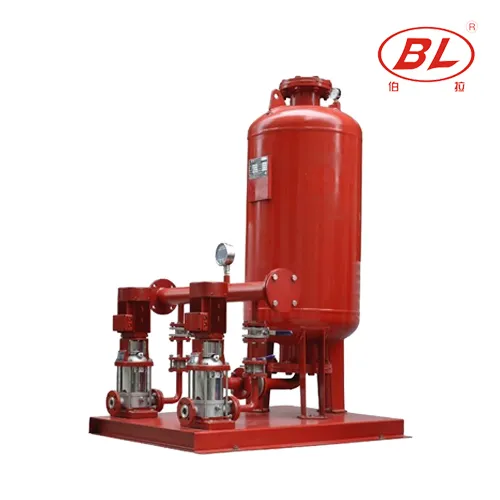
| Building water-pressure package | Booster Regulator Water Supply Equipment | Pressure objective, flow/head basis, supply details, installation location, documents, destination |
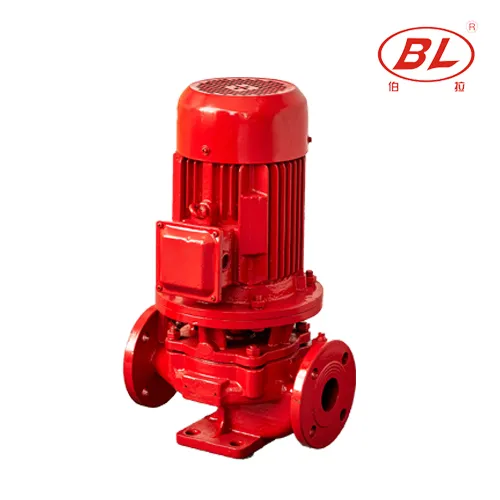
| Clean-water transfer | IS Clean Water Centrifugal Pump | Source, destination, route, liquid, flow/head basis, power, destination |
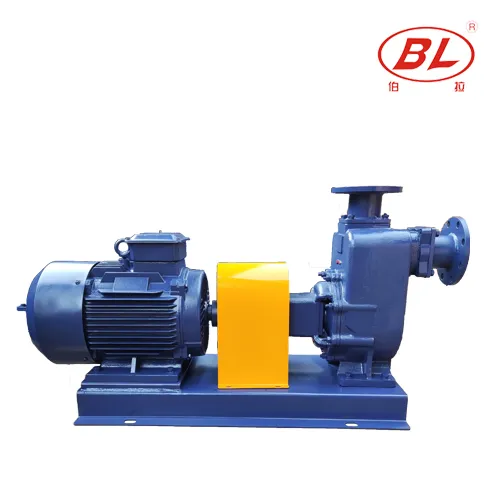
| Intake needs self-priming discussion | ZX Self-Priming Water Pump for Irrigation | Suction arrangement, liquid, route, duty basis, power, destination |
| Manual attended task remains appropriate | Retain the site task record | Operator plan, stop criteria, route, liquid, closeout role |
Why not select a booster package merely because an electric drive is preferred: transfer and boosting describe different system outcomes. Share the duty record with BORRAPUMP for a controlled product discussion.
FAQ
What is the main difference between a manual pump and an electric pump?
A manual pump relies on operator effort during the task, while an electric pump relies on a compatible electrical supply and equipment arrangement. Both still need a documented duty, route, liquid description, and work-control plan.
Is an electric pump always the better choice?
No. An electric route may be appropriate only when the duty, power availability, installation conditions, and responsible operating procedure are defined. A drive type alone does not prove fit.
When can a manual route be considered?
It may be considered for a short, attended task with a controlled source, destination, route, liquid description, and stop condition. Confirm actual equipment instructions and site procedure.
What electrical information belongs in a pump inquiry?
State the available supply, relevant phase and voltage information, location, control expectations, installation context, and the actual duty. The supplier still needs to confirm model-specific requirements.
What should be sent with an RFQ for an electric pump?
Send the source and destination, flow and head basis, route, liquid, intended result, power information, installation location, requested documents, quantity, and destination.
Can this guide approve electrical work or a pump installation?
No. It is a selection comparison only. The responsible electrical reviewer, site procedure, and product instructions govern installation and energization.
Is an electric booster package the same as an electric transfer pump?
No. A booster package addresses a pressure-system objective, while a transfer pump addresses movement between defined endpoints. Their RFQ inputs and system reviews are different.
References
- OSHA electrical safety resources for general workplace electrical-safety context.