
A manual water-transfer task should begin with a short controlled record of the source, destination, route, liquid, operator attendance, and stop criteria; without that record, a hand pump is only an assumption, not a verified project method. This guide helps US project buyers and site teams review the paperwork before a hand-operated transfer route is proposed.
Part 1. Treat the Transfer Record as the Starting Point
The word “manual” describes how energy is supplied; it does not remove the need to define the work. A project record makes the proposed move reviewable before equipment is purchased, delivered, or handed to an operator. It also gives procurement a way to separate a short attended transfer from a duty that needs a powered solution.
| Record question | Why it belongs in the file | What happens when it is missing |
|---|---|---|
| What water is moving? | Establishes the initial liquid description | The wrong pump family may be assumed |
| Where does it start and end? | Defines the actual task | The route becomes a vague distance claim |
| Who will operate it? | Establishes attendance | A hand-operated method is treated as unattended |
| What ends the task? | Creates a stop criterion | The activity can drift beyond its intended scope |
For a broader suitability screen, read When Does a Manual Water Transfer Pump Fit?. That article owns the general manual-versus-powered decision; this page focuses on the records that let a project team document its decision.
Part 2. Define the Source and Destination Before Naming Equipment
Write down the source level, destination level, approximate route, and the condition at both ends. A note such as “move water to the tank” is not enough for a buyer, installer, or supervisor to understand what is being requested. The names of the source and destination should be consistent across the job sheet, drawing markups, and inquiry.
| Field | What to record | Review question |
|---|---|---|
| Source | Location, level, access, visible condition | Can the intake arrangement be described safely? |
| Destination | Location, level, permitted receiving condition | Is there a defined endpoint and overflow plan? |
| Elevation change | Measured or drawing-based basis | Has it been treated as an input rather than guessed? |
| Required outcome | Batch move, cleanout, test, or other stated task | Does the outcome have a completion condition? |
| Time window | Start, finish, and expected attendance | Can the work be supervised for the whole task? |
The Water Transfer Pump guide provides the wider vocabulary for transfer applications. Do not convert a general guide into a model rating: actual flow and head remain inputs for the specific equipment and route.
Part 3. Record the Route, Liquid, and Site Conditions
The path between two points often changes the real work more than the straight-line distance on a drawing. Record hose or pipe diameter, approximate length, fittings, changes in elevation, access restrictions, and whether the route crosses areas that need a site-control measure. Describe the liquid honestly, including sediment, temperature concerns, or unknown contamination.
| Site item | Record in the document | Escalate when |
|---|---|---|
| Line path | Length, diameter, fittings, routing notes | The route is long, obstructed, or changes during work |
| Liquid | Clean-water basis, visible solids, temperature, known chemistry | Compatibility or solids handling is uncertain |
| Power context | None, restricted, or available | A powered alternative may be feasible |
| Access | Working area, lifting, weather, lighting | Operators cannot work safely or continuously |
| Discharge control | Destination capacity and observation plan | The receiving point can overflow or contaminate another area |
Important: A document should not turn an unknown liquid or unmeasured route into a safe assumption. The Hydraulic Institute frames pump selection around stated system conditions; confirm actual product instructions and site controls before proceeding.
Part 4. Make Attendance and Handover Reviewable
Manual operation depends on a person being present, capable of the task, and able to stop it when the conditions change. The handover record should name the responsible role, the planned observation points, and the condition that triggers a pause or escalation. It should not pretend that a blog article substitutes for the site safety procedure.
| Handover item | Minimum record | Owner |
|---|---|---|
| Operator attendance | Named role and expected time on task | Site lead |
| Start condition | Source, line, and destination check | Operator / supervisor |
| Stop condition | Loss of control, changed liquid, blocked route, or other site trigger | Site safety lead |
| Communication | Who receives a change or stop notice | Project coordinator |
| Closeout | Actual result and unresolved issue | Responsible supervisor |
If the project moves to a powered route, the start-up process still needs its own instructions. Use How to Prime a Water Transfer Pump only for the relevant powered family and manufacturer instructions, not as a universal hand-pump procedure.
Part 5. Route Incomplete or Demanding Duties to the Right Review
An incomplete record is a reason to pause and collect data, not a reason to choose the nearest available pump. Repeated transfers, uncertain liquid, an extended route, or limited attendance can all move the task beyond an informal hand-operated method. In that case, the project team should define a powered-transfer inquiry instead of trying to solve missing data with a generic equipment label.
| Record finding | Correct next action | Related BORRAPUMP resource |
|---|---|---|
| Route data incomplete | Measure or mark up the route before comparison | How Far Can a Transfer Pump Move Water? |
| Clean-water transfer needs sustained duty | Prepare a powered clean-water inquiry | IS clean-water route in Part 6 |
| Intake arrangement needs self-priming review | State suction and liquid conditions | ZX route in Part 6 |
| Liquid or safety condition is unclear | Escalate to the responsible engineering or safety reviewer | Do not infer suitability |
| Fire-system language appears in the request | Separate it from ordinary transfer work | Use the fire-system review path |
This boundary prevents a manual documentation article from competing with the site’s fire-pump or building-pressure content. Those systems use different design, approval, and acceptance processes.
Part 6. Build a Quote or Handover Package From the Record
Once the basic record is complete, the same fields can travel with an RFQ or site handover. That makes supplier replies comparable and avoids a quote that silently assumes a different route or liquid. Attach a drawing excerpt or marked-up route when one exists.
| Inquiry or handover path | BORRAPUMP route | Send with quote or handover |
|---|---|---|
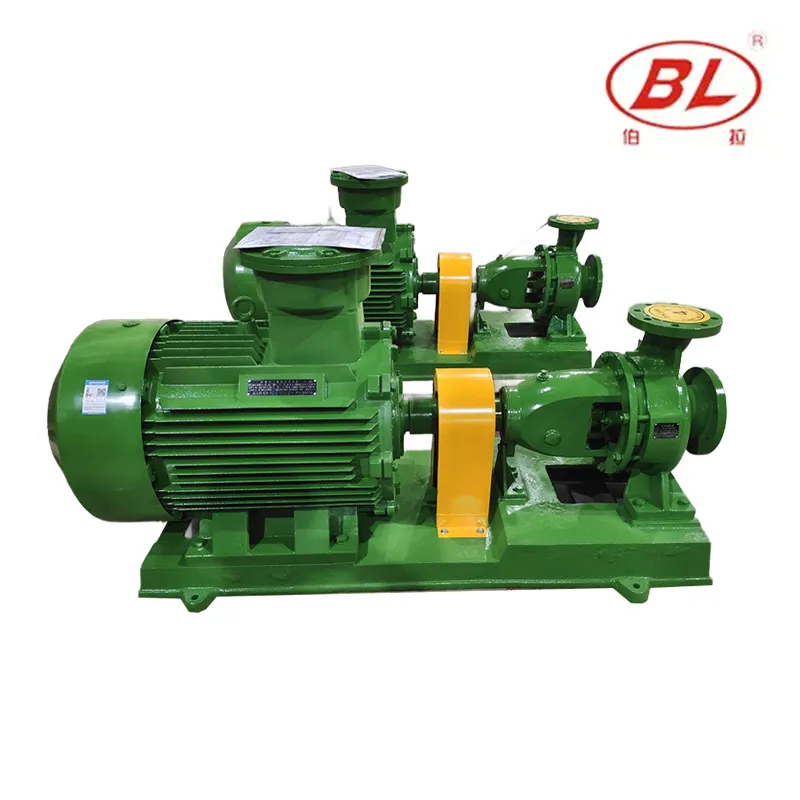
| Documented clean-water transfer | IS Clean Water Centrifugal Pump | Source, destination, route, flow/head basis, liquid, power, delivery location |
| Intake needs self-priming review | ZX Self-Priming Water Pump for Irrigation | Suction arrangement, liquid notes, route, duty basis, power, delivery location |
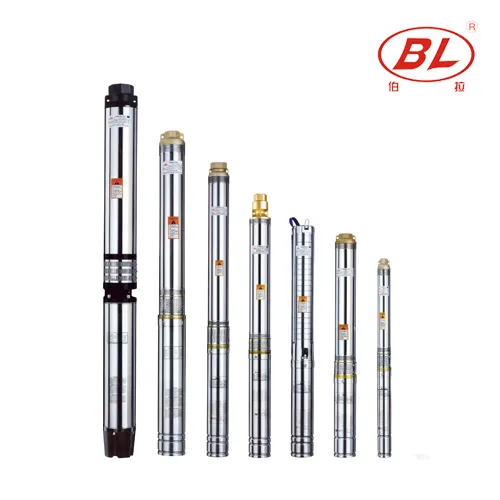
| Well-source discussion | QJ family discussion after source depth is documented | Source depth, intended outcome, power, route, delivery location |
| Short attended manual task | Retain the controlled record and site procedure | Operator, stop criteria, route, liquid, closeout responsibility |
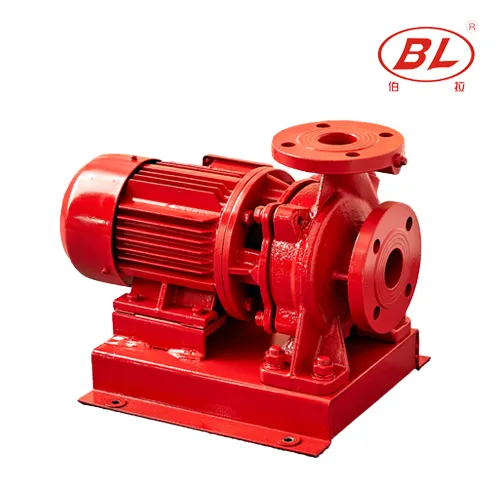
Do not use a fire-pump package as a convenience alternative for ordinary transfer work. Send a controlled record to BORRAPUMP when the work requires a powered pump discussion.
FAQ
What is a manual transfer pump for water used for?
It can be considered for a short, attended water-moving task when the project record defines the source, destination, liquid, route, operator, and stop criteria. The actual product instructions and site procedure still control use.
What should be written down before a manual transfer task starts?
Record the source and destination, elevation and route basis, hose or pipe details, liquid condition, attendance plan, and the condition that requires work to stop or escalate.
Does a straight-line distance describe the transfer route well enough?
No. The record should include routing, fittings, elevation changes, access limitations, and the endpoints. A distance alone does not describe the full system condition.
Why does the liquid description matter?
Clean water, sediment, temperature, and possible chemical exposure can change the appropriate equipment, material review, and work controls. Do not assume compatibility from a general article.
When should the record become a powered-pump RFQ?
Move to a powered inquiry when sustained duty, route conditions, liquid uncertainty, or attendance constraints make a hand-operated method unsuitable. Send the documented inputs with the inquiry.
Can this page approve a manual transfer method?
No. It is a document-control guide, not a field-work authorization. The responsible site procedure, actual pump instructions, and project reviewers make that decision.
Why is a fire-pump package not listed as a normal fallback?
Fire-pump equipment serves a different engineered system and document path. Ordinary water-transfer work should be reviewed with an appropriate transfer-duty inquiry instead.
References
- Hydraulic Institute for pump and system selection context.