
Construction teams often need to relocate water between temporary tanks, sources, work fronts, and site processes. The first selection question is not the size of a portable frame.
Direct Answer
A portable water transfer pump for construction sites is selected from the documented source, destination, water condition, route, power situation, and relocation plan; portability helps logistics but does not replace duty verification. This guide is for B2B project teams, contractors, distributors, and procurement reviewers. It organizes field and selection questions without replacing responsible engineering or manufacturer documentation.
1. Define Transfer Duty Before Choosing Portability
Construction teams often need to relocate water between temporary tanks, sources, work fronts, and site processes. The first selection question is not the size of a portable frame. It is where water starts, where it must arrive, what route connects those points, what the water contains, and what flow the project requires. Portability is a logistics requirement added after the transfer duty is described, not evidence that a pump fits the duty.
2. Record Source, Destination, and Route Data
Write down source level range, destination elevation, line length, hose or pipe transitions, fittings, and physical route. Mark temporary crossings and locations that will move as construction progresses. This information allows the responsible reviewer and supplier to evaluate a specific model against verified duty data. It also prevents a mobile pump from being relocated to a point that changes the installation beyond the assumptions used for selection.
| Review point | Evidence to keep |
|---|---|
| Duty definition | Current drawing, work plan, measurement basis, and water description. |
| Field route | Marked route, interface locations, access restrictions, and observed changes. |
| Equipment evidence | Specific model documentation and supplier response tied to project inputs. |
| Shift handover | Equipment tag, route/outlet condition, exceptions, and escalation status. |
3. Review the Water and Intake Condition
Transfer water may be clean process water, stored water, runoff, or water with suspended material. Describe it at the intake, including debris that could block a strainer or damage equipment. Do not infer solids capability from a portable appearance or product-family name. The specific candidate’s verified documentation is the basis for deciding whether screening, settlement, or a different equipment route is needed.
4. Plan Power, Fuel, and Access Without Assumptions
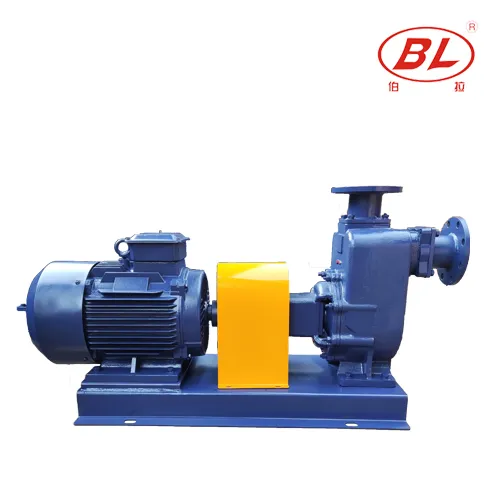
Portable equipment can be electric or engine-driven, and each option creates site interfaces. Review available electrical supply and cable routing where electric drive is considered. For engine drive, use the project plan for fueling, positioning, ventilation, noise controls, and security; do not assume that mobility permits any operating location. Access for lifting, moving, starting, inspection, and service should remain workable as the work front changes.
5. Control Suction and Discharge Hoses
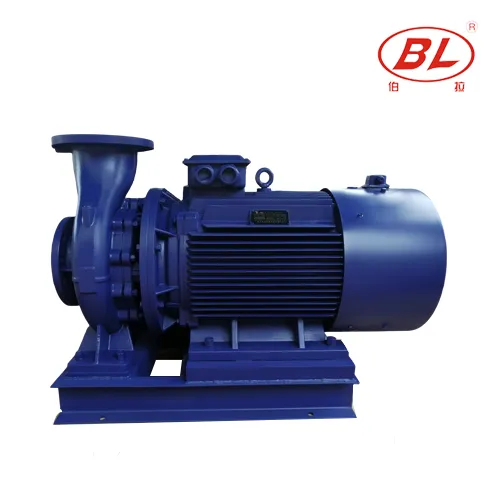
The hose system is part of the transfer duty. Verify the suction arrangement, line support, connections, protection from traffic, and discharge point against the project plan and manufacturer information. A portable pump is especially vulnerable to improvised extensions and unrestrained hose ends because it moves frequently. Record route changes and reassess the duty rather than relying on a previous placement.
| Question | Review boundary |
|---|---|
| What must the setup move? | Water between documented source and destination, not an assumed generic duty. |
| What can change? | Route, water condition, access, and work-front constraints require recorded review. |
| What confirms fit? | Verified manufacturer data for a specific model held against project evidence. |
| Who accepts the result? | Responsible project parties under current documents and applicable requirements. |
6. Procure With a Relocation and Handover Plan
An RFQ should state the source and destination data, required flow and head with their source, water description, power or driver constraints, mobility frequency, route information, access limitations, discharge conditions, destination, and required documents. Ask for model-specific verified data and clear inclusions and exclusions. At handover, retain the records of route changes, inspections, and exceptions so the next phase does not treat a temporary arrangement as an undocumented permanent one.
For related selection context, see the BORRAPUMP Water Transfer Pump guide. For a package discussion using controlled project data, contact BORRAPUMP.
7. Fit and Compliance Boundary
This article is a selection and project-review aid. It does not size equipment, certify an installation, claim approval, or set operating values. Final equipment fit, installation, discharge arrangements, testing, and acceptance require current project documents, responsible professionals, applicable authorities, and verified manufacturer data.
FAQ
What makes a water transfer pump portable?
A portable arrangement can be moved between work locations, but its frame or driver arrangement does not establish its suitability for a particular source, route, or water condition.
Can a portable transfer pump move dirty water?
Only if the selected model’s verified data covers the documented water and solids condition. Transfer duty by itself does not state solids capability.
What data should be measured before an inquiry?
Record source and destination levels, route length and fittings, water description, required flow and head with their source, power situation, and movement constraints.
Does a temporary setup need a discharge plan?
Yes. The project must define the discharge point and conditions, and the crew should inspect the route and outlet whenever the setup moves.
Can hose length be changed without review?
No. A length or route change can alter the installation assumptions and site controls, so it should be documented and reviewed before operation.
Does this guide provide operating instructions?
No. Operating, priming, maintenance, and safety instructions come from the manufacturer documentation for the supplied model and the site’s procedures.