
In our modern world, the importance of effective waste management continues to grow making an even bigger impact on the operational durability of many industries. Throughout this article, we will take a look at wastewater pumps, their usage/application, and types available within the marketplace.
What is a Waste Water Pump?
A waste water pump is a mechanical pump that moves sewage and other types of contaminated water from one place to another, rather than using gravity as a means of draining the wastewater. Waste water pumps push wastewater through pipelines, so they can be used for all types of wastewater applications at home and in the industry.
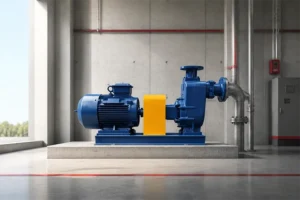
Types of Waste Water Pumps
To obtain an appropriate solution for your needs, it is essential to recognize the different categories of waste water pumps. Generally, wastewater pumps fall into three categories:
Pumps that operate below the surface of a body of water can be excellent solutions for draining waste water from underground locations. Submersible pumps (or submersibles) are engineered to work underwater.
Sewage Pump Systems: These pumps have been engineered to deal with both solids and liquids in a municipal or private wastewater application.
Effluent pumps – Are intended to transport grey water, and can handle small solids; thus making them a suitable choice for residential applications.
Grinder Pumps: These pumps reduce the size of the solid waste by turning it into a slurry, which is easier to move through small-diameter pipes.
Advantages of Waste Water Pumps
Investing in a quality waste water pump comes with numerous advantages:
• Reduced Waste Management Costs: Waste water pumping systems help remove sewage and other wastewater from buildings more frequently and keep them from overflowing.
• Improvement of Health and Safety: The waste is adequately removed by these pumps which helps to reduce the growth of bacteria and/or odor.
• Affordable Alternatives: The initial purchase price of a waste water pumping system can seem very large; however, most of those systems will pay for themselves many times over just through savings in repair and maintenance expense over time.
Uses of Waste Water Pumps
Waste water pumps are used in a multitude of scenarios. Here are some common uses:
Waste water pumps are commonly used in residential applications for draining basements, sewage system management, and enhancing waste disposal systems.
Commercial Uses: Wastewater pumps are utilized by hospitals and restaurants as well as other businesses that use wastewater pumps for their production of food items to promote health and safety by removing waste properly.
When businesses need to deal with heavy-duty waste in factories or construction sites, they typically employ waste water pumps that can handle a variety of materials like chemicals and other industrial waste.
Applications of Waste Water Pumps
The applications of waste water pumps are vast and varied:
Manufactured waste management refers to how cities and towns utilize waste water pumping in their sewer treatment plants to manage their waste water efficiently.
Farmers rely on using these pumps in agriculture-based systems to remove water from their crops to provide adequate amounts of water for their crops through irrigation by providing optimal conditions for growing crops and producing high-quality yields.
Waste water pumps assist in managing storm water runoff, thereby avoiding urban flooding.
FAQ
What is a waste water pump?
Wastewater pumps are mechanical devices that move contaminated water and/or sewage from point A to point B, which helps to eliminate overflow issues and keeps our sewage systems working properly.
What are the uses of a waste water pump?
Waste water pumps are used for waste management and for providing drainage solutions in industry, commercial and residential.
What are the applications of waste water pumps?
These pumps are used in a variety of ways including; in waste management by municipalities, on farms and for storm water drainage.
To summarize, knowledge of the purpose and value of wastewater pumps can assist users in developing an effective method for managing wastewater through various channels: residential and commercial infrastructure, and industrial services. Keeping facilities clean and sanitary is a primary benefit of wastewater pumps; therefore, it is important to select the correct type of pump that will meet individual needs.