
Anyone who manages other aspects of fire safety, particularly in commercial/ industrial locations, needs to understand how a pump package works. A fire pump package consists of an array of compatible equipment that supplies an adequate supply of water for all types of fire suppression systems (sprinklers, standpipes, etc.) during a potential fire emergency. The pump package is intended to efficiently deliver water to your fire suppression system as quickly as possible and is necessary to save lives and protect valuable property by providing a continuous, dependable flow of water when you need it most.
What Is a Fire Pump Package?
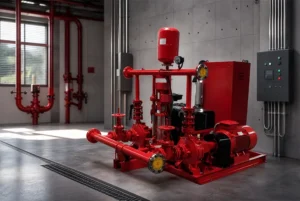
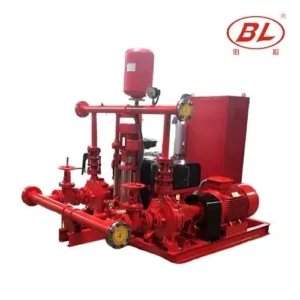
A fire pump package is a pre-engineered firefighting system made up of everything necessary for a fire suppression system to work correctly. Each fire pump package consists of four parts (a fire pump, controller, piping, and valves), and other optional accessories such as self-cleaning strainers and water storage devices. All four parts come pre-assembled into a single unit to simplify installation and operation.
Fire pumps start to operate when the sprinkler system has detected a drop in water pressure due to either the operation of fire hoses or the operation of each sprinkler. They are designed to keep an adequate supply of water and maintain sufficient pressure to fire protection systems regardless of whether they are being used in high-rises, large industrial buildings, or remote areas where there is no reliable source of water. Fire pumps have become an essential component for preventing fires from becoming disastrous.
What Types of Fire Pump Packages Are Available?
There are multiple variations of fire pump packages that are designed for diverse application requirements. To help you select an appropriate option, listed below are the most common categories:
1. Fire Protection System: A Fire Protection System is an organization or entity in a facility that is responsible for the prevention, control, and management of fire. A fire protection system will typically consist of a combination of sprinkler systems, fire alarms, smoke detectors, emergency lighting, and emergency exit signs, and may also include other components.
2. Electric Fire Pump Packages – Electric fire pump packages incorporate motors to run on electricity. They are usually found to be very reliable, energy efficient, and require less maintenance than other types of pumps. Electric fire pump packages are typically installed in urban or industrial areas where there is a reliable electric utility supply.
3. Fire Pump Packages (Horizontal Split Case): If you need a high volume of water at your facility, horizontal split case fire pumps will serve you well because of their high efficiency and durability; with an easy to access internal design, they can also facilitate maintenance.
4.Vertical turbine fire pump packages are designed to pump water from deep wells, reservoirs or underground storage and are therefore highly effective; however, they are also used for very specific applications in terms of capacity.
5. Compact, Easy-to-Install Fire Pump Packages: For smaller buildings or facilities that don’t have very drastic fire protection requirements, these pumps are often selected due to their compact design and ease of installation or maintenance.
6. Jockey Pump Systems- Smaller pumps located within various systems used to maintain pressure in the fire protection distribution system and to prevent the larger Fire Pump from frequently on-off cycling due to minor pressure changes.
What Are the Advantages of a Fire Pump Package?
There are numerous advantages that can be found with fire pump packages, which include a variety of features that make them critical components of fire protection and prevention. Some of these benefits include the following:
Dependability: Emergency conditions require reliable performance from fire pump package systems. These engineered and tested components will help to improve the performance of fire suppression systems resulting in reduced risk to individuals and property.
Reducing Installation Complexity: The exact same system (component or device), has already been pre-constructed to save time when it comes to actual installation because everything is already in one box. Installation should take less time than if you had to buy each item separately because no parts need to be purchased separately.
Cost-Effectiveness: By combining components as a single package, businesses will be able to save on purchasing costs and have a simpler installation process.
One way that fire pump packages are flexible is in their ability to be tailored to the requirements of any particular job—whether it’s a small office building or a huge industrial facility.
Fire Code Compliance: The fire pump package design should comply with strict safety codes like NFPA standards. Compliance with these codes assures you that your fire protection system is efficient and legal.
Applications of Fire Pump Packages
Many public and private facilities that prioritize fire safety utilize fire pump packages, including the following commonly used applications:
High-rise buildings require higher water pressure to provide water to the higher floors. One of the most important components of a High-rise building is the fire pump package.
The widespread presence of combustible materials in manufacturing and processing plants usually necessitates the installation of Fire Pumps for the prevention of Fire Risk.
Hospitals and other similar institutions need to protect the safety of people at risk so the fire pump system is an important part of providing this fire protection.
Fire protection is a must for large warehouse and storage areas with a lot of goods or flammable materials to save your company from experiencing large-scale losses.
Fire pump packages are often used in remote locations such as farms, oil fields and other largely or completely disconnected areas, to help move water from a distance (i.e., from the well or reservoir) to an area where it can be effectively used as a fire protection method.
What to Consider When Choosing a Fire Pump Package
There are many variables involved in determining which fire pump package will be best suited for your facility. The following elements should be considered:
Building Type & Size: The height and size of the building affects the pressure of the fire pump and how much water can be pumped by it. These are factors to be considered when determining the type of building being constructed – whether it is a high-rise, warehouse or warehouse type.
Determine the source of water for your fire pump, whether it’s a municipal water supply, reservoir or storage tank and then make sure the fire pump you select will be able to pull the available water and pressurize it effectively.
Select pumps based on whether they will be powered by diesel or electricity from either the existing and unreliable electrical power sources that currently exist in the area.
Regulations: Verify regulations for building and fire codes where the fire pump package will be installed. Compliance is essential to avoid fines and protect the public health and safety.
Maintenance Needs: Depending on what kind of fire pump you use, your maintenance needs will vary from one pump style to another. Diesel fires pumps require more regular upkeep than electric models.
How to Ensure the Proper Operation of Your Fire Pump Package
To ensure that your fire protection system performs effectively and lasts as long as possible, it is essential to maintain and properly maintain your fire pump package. This means performing scheduled inspections and performance testing at least yearly, and following manufacturer’s guidelines and appropriate maintenance schedule(s). It is a good idea to perform tests weekly or monthly, as well as to check for potential problems with rust, leaks or fluctuations in pressure, which may cause failure at any time without advance warning.
Performing an annual inspection by a trained professional will help assure compliance with fire safety regulations applicable to your industry.
An established supplier or installer will partner with you to guarantee that your fire pump package is installed correctly and operates properly in an emergency. In addition, many suppliers will enter into a service agreement with you (for example, by providing verified inspection and maintenance) for periodic inspections and redundant safety features and reliability of your system.
Ultimately, proper installation and maintenance of fire pump packages are critical parts of your overall fire safety plan – they provide an adequate source of dependable water (supply and pressure), thus protecting both lives and property/loss of property during a fire emergency. There are many types of fire pump packages and their respective benefits, so the investment in a specific type of fire pump package for the facility will yield long.