
Fire pump systems are critical to contemporary fire protection plans and provide a source of high-pressure water to fire sprinkler systems, fire hydrants, as well as hose reels – all necessary components in the effective suppression and control of fires. Fire pump systems are an essential element for protecting lives and property, providing sufficient quantities of water when they are needed during a fire emergency.
Fire pump systems can be installed in many different types of buildings (e.g. homes, offices, factories, etc.) and are typically required by law (local building codes) to function properly. In this article, we will discuss how fire pump systems work, their features, where they are commonly found, and the benefits of using fire pump systems so you can appreciate why fire pumps are essential pieces of equipment for commercial and industrial building owners.
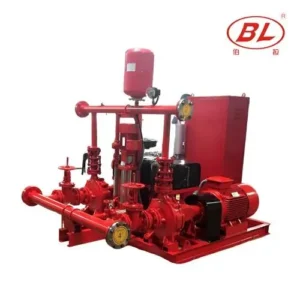
Working principle of a fire pump system
Fire pump systems work by having the ability to pump a source, such as a reservoir, underground pipe or municipal water supply, into the fire protection system at a pressure that is required. All fire pumps increase the volume of water available to the fire protection system. Fire pumps increase the pressure of water delivered to the fire protection system in buildings where natural water pressure does not provide adequate pressure to do so.
Here’s how the system typically works:
As soon as either an automatic sensor detects smoke or a person presses the manual button for an alarm system, the fire control will activate.
The fire pump turns on automatically, drawing water from the designated water source.
Water is pressurized by the pump and transported through pipes to fire hoses or sprinkers.
Once the firefighting operation has concluded, and the system is no longer required, the pump will be turned off automatically or manually.
Fire pumps can be powered by electric motors, diesel engines, or steam turbines. Backup power sources are typically provided to allow for continued operation of the fire pump in the event of a power failure, or during extreme conditions when generating an alternative source of electricity may be impossible.
Characteristics of a fire pump system
The Fire Pump System is designed to operate effectively while meeting written performance and safety specifications. The following is a selection of important features of a high-quality Fire Pump System:
Fire pumps are capable of operating at maximum efficiency in times of emergency; therefore, when the time comes for a fire pump system to operate, it will deliver pressurized water reliably at all times.
These systems can be designed according to a customer’s specifications, allowing them to fulfill different requirements for; Small buildings High-Rise Buildings Industrial Facilities Large Commercial Complexes
Fire pump systems utilize durable, high-performance materials designed to withstand the rigors of harsh operating environments and environmental stresses, promoting a long service life for these products.
Prepared to be Integrated: These systems can be integrated into fire alarm systems, sprinklers and other emergency fire protection systems for comprehensive fire protection.
Regulation compliance; Structural Code for fire extinguishing systems; Fire Safety codes require compliance by fire pump systems. Fire suppression systems are designed to meet international and local building codes; therefore, meeting compliance for legal requirements is imperative for property owners.
Uses of fire pump systems
Fire pump systems can be found in many different fields of our society because they provide fire prevention and protection to many different kinds of environments. There are many different ways in which fire pumps are used; however, the majority of applications are:
1. Commercial Buildings: Shopping malls, hotels and hospitals regularly use fire pumps throughout the buildings to comply with fire code regulations to protect the occupants and properties. Many times these types of commercial establishments need very high pressure fire sprinkler systems, and fire pumps will provide that service.
2. Manufacturing Facilities: In manufacturing plants, warehouses and oil refineries; there is an increased risk of fire due to the use of combustible materials. Fire pump systems play an essential role in providing sufficient water to extinguish fires that may occur during these processes.
3. Residential Area: The ability for high-rise residential buildings and gated housing communities to have a fire pump system enables them to effectively respond to fire emergencies and have a reliable source of water for firefighting operations when access to public water supplies or fire hydrants is restricted.
4. Specialized. A unique environment such as a chemical plant, a data centre, an airport, or a university requires a custom-designed fire pump system to satisfy the particular safety needs of the location and to meet industry standards.
Advantages of fire pump systems
Installing a fire pump system offers several advantages that go beyond basic functionality:
1. Improved Fire Fighting Skills – Fire Pump Systems Keep Up a Steady Supply of Water Pressure to Manage a Fire; This is Necessary When Dealing with Large Buildings or Large Places (e.g., Factories, Warehouses, etc.).
2.The ability to effectively distribute and control the amount of water used can help limit the ability of a fire to spread out of control; therefore, less destruction is done to property and lives will be spared.
3. Compliance with regulations: In many local communities and companies, there are fire pump requirements for different types of buildings. Installing one supports your ability to comply with both local and global fire safety codes.
4. Reduced premiums: Properties with fire pump systems that operate efficiently usually receive a reduction in their rate of insurance because of the lower likelihood of loss to the insurer due to improved fire protection.
Option of having multiple powering methods i.e. Electrical, diesel and combination of both, gives the user the ability to configure around their own reliability and backup power requirements.
FAQs about fire pump systems
Here are answers to some of the most frequently asked questions regarding fire pump systems:
What is the working principle of a fire pump system?
This water system of this fire pump provides water supply at a pressurized level to fire hoses or sprinklers. This helps to provide the fire suppression that is needed in areas where there are no or little water pressure available.
What are the characteristics of a fire pump system?
A Fire pump systems provide: proven reliability, long service life, a variety of custom design options, ability to integrate into existing facilities/equipment, and compliant with fire protection regulations and codes.
What are the uses of a fire pump system?
Fire Pump systems distribute pressurized water to extinguish fires in commercial and residential buildings, industrial facilities, hospitals, airports, transportation systems and in specialized environments. Fire Pump systems are used to protect lives and property from the threat of fire by supplying pressurized water for use in extinguishing fires.
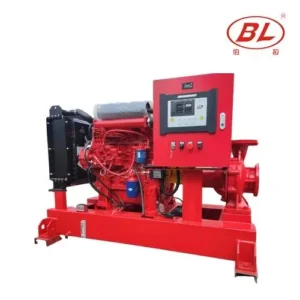
Maintenance and care of fire pump systems
Routine inspections & maintenance on fire pump systems are essential to keep them performing at their peak. Typical maintenance includes:
– Inspecting the performance of the pump controller.
– Testing the function of the pressure relief valves.
– Cleaning the filters and strainers.
– Checking the quality of the hoses and pipes.
Additionally, local fire authorities recommend regular performance testing of fire pump systems so that they can be relied upon when they are needed most (during an emergency). If a fire pump system is not maintained regularly, it may fail when called upon to perform, causing damage and endangering lives.
When installing, inspecting, or maintaining your fire pump system, working with certified professionals is recommended so that you assure you will have a system that will last for many years and will operate effectively when under pressure, provided it is well-maintained.
Documents showing the schedule for maintenance of your fire pump system, plus any inspections or tests done, will help to ensure that your fire pump system remains operationally effective and in compliance with the appropriate codes. In addition, maintaining documentation of fire pump maintenance will provide a measure of safety as well as compliance in many jurisdictions.
The fire pump system is a vital component of any good fire safety system. It provides the water needed at high pressurised flows so that fires can be put out as quickly and effectively as possible. When you know how a fire pump works, the main things about it, how it is used and what it does to help people stay safe from fires you will know how to better protect yourself and your family from fires in your home, business or factory, by improving your fire protection plan. Whether you want to install a new fire pump system or maintain a current system, a fire pump system should always be treated like a priority because it plays a major role in protecting people and their property from potentially life-threatening fire hazards.