
A jockey pump is a pressure-maintenance pump in a fire protection system. It restores pressure after small leakage or normal pressure drops, helping avoid unnecessary starts of the main fire pump. It does not replace the main fire pump or supply the required firefighting flow. Its capacity and pressure-switch sequence must be coordinated with the approved system design and applicable requirements.
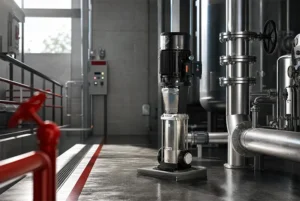
What is a Jockey Pump?
A jockey pump is a smaller pump that helps provide support to fire protection systems (such as automatic sprinkler systems). Its role is maintaining normal system pressure; the main fire pump is selected separately to supply the required fire-protection duty. A fire pump can deliver very high flow rates and high-pressure water, and therefore it is very important that pressure remain at the minimum required to meet code requirements. So the purpose of the jockey pump is to bring the system pressure back up to where it would normally be after a temporary drop (usually from a very small leak through a pipe or an occupant doing work on the fire system). The jockey pump will come on automatically when the detector in the system senses the decrease in pressure that is required to be maintained.
The Working Principle of a Jockey Pump
A jockey pump operates using basic hydraulic principles. When the pressure in the system drops below a predetermined level, the jockey pump will turn on and add water to the system to bring the system back up to the desired level of pressure. Once the pressure stabilizes, the jockey pump will automatically shut off to conserve energy. By being responsive to changes in the pressure of the system, the jockey pump prevents the larger fire pump from constantly cycling on and off, which could jeopardize the life of the larger fire pump.
Uses of Jockey Pumps
By learning about how to use a jockey pump correctly, you will increase the effectiveness of your fire safety plan relying on this equipment. A few examples include:
1. Maintaining a Constant Pressuring Force – Jockey pumps will provide constant pressure on the main fire pumps to keep them operating within their design limitations.
2.Leak Detection: The frequent operation of a jockey pump can indicate that there are leaks in the system. Hence, early notifications of potential problems.
3. Optimizing Systems: Along with helping to keep constant pressure, jockey pumps assist in effectively distributing water to their final destination so when a fire happens fire pumper has access to the complete amount of force right away.
What is the Function of a Jockey Pump?
The main purpose of the jockey pump is to maintain pressure in the fire suppression system and provide an immediate response to small losses of pressure. This prevents unnecessary operation of the fire pump, so that when it does operate, you can be certain that the fire protection system is ready to go. The jockey pump also serves as part of how the fire suppression system maintains its integrity.
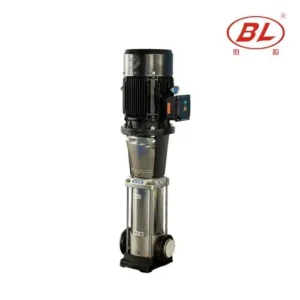
Selection and control guides
After understanding the pressure-maintenance role, review jockey pump sizing, the separate pressure-switch sequence, and the fire pump and jockey pump arrangement. For the hydraulic construction discussion, see single-stage versus multistage pumps. Use the project documents for the final model and settings.
FAQs about Jockey Pumps
What is a Jockey Pump?
A jockey pump is a pressure-maintenance pump that restores normal system pressure after small leakage or normal pressure drops. It does not replace the main fire pump or supply the required firefighting flow.
What is the working principle of a jockey pump?
This type of pump (jockey) is designed to detect pressure drop within a system. Once activated by dropping pressure levels, this pump will increase the pressure until it reaches the pre-set level before shutting off.
What are the uses of a jockey pump?
Some of the most common applications for these systems include; pressure maintenance and limiting unnecessary starts of the main fire pump. Frequent jockey-pump cycling can justify investigation, but it is not a dedicated leak-detection system.
What is the function of a jockey pump?
The primary role of a jockey pump is to maintain system pressure and to provide an additional level of protection from leaks or pressure drop that may occur in the system.
To sum up, it’s important to understand the jockey pump and how it functions in a fire service sprinkler system; as it provides uniform pressure and can detect leaks, it’s an important part of the entire system for providing safety and functionality for fire suppression systems. Awareness and proper maintenance of this type of equipment can help reduce the risk of larger problems from causing a fire hazard to your property.