
In terms of mastering the transfer of fluids across multiple sectors, mobile pumps are an invaluable asset. But what actually is the purpose of a mobile pump? Mobile pumps are used to easily and effectively transfer fluids/slurries from one place to another. The article will take an in-depth look at the essential functions and roles of mobile pumps as well as their advantages and the reasoning behind their popularity in a variety of applications.
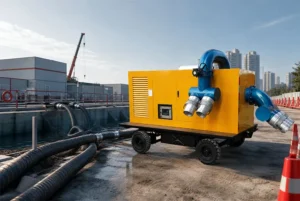
Core Functions of a Mobile Pump
The primary function of a mobile pump is to efficiently move liquids. This is especially important when permanent installations may not be feasible or possible. Mobile pumps can be used for many applications such as construction sites, agricultural applications, wastewater management and emergency response. The following are the main functions of mobile pumps:
1. Transported Liquids: Mobile pumps are great for moving many different kinds of liquids, including sludge, from one place to another rapidly.
2. De-Watering- The task of de-watering (or removing wastewater) and avoiding flooding during mine/reconstruction are both paramount. The use of portable pumping units greatly improves their ability to de-water quickly.
3. Emergency Service: In the case of a natural disaster or an area that is suffering from an infrastructure failure, mobile pumps can be used to immediately pump out water, providing protection for people and property.
Advantages of Mobile Pumps
The comprehension of the benefits of mobile pumps can help explain why they are an important component of many industries. Some of the main advantages are:
Easy Transport: Mobile pumps allow you to move from one job site to another without any restrictions on where they can be used.
Efficiency: These units can be deployed much faster than fixed pumps, reducing downtime in critical situations.
By purchasing a mobile pump, significant savings can be realized on the cost of installation and upkeep relative to a fixed pump system. Mobile pumps are therefore attractive for job completion projects that require only temporary fluid transfers.
Conveniences Brought by Mobile Pumps
Mobile pumps have many advantages, both for personal and business use. Here are just a few examples:
Rapid Setup Time: Most portable pumps can be connected and operate within minutes of receiving the unit; therefore, they allow for rapid response when required.
Flexibility: these pumps work well on multiple types of liquids including but not limited to sewage removal, water supply and hazardous material with proper equipment.
Frequently Asked Questions (FAQs)
What are the advantages of a mobile pump?
Compared to installing pump systems permanently, mobile pumps provide extreme flexibility, fast deployment times (typically 1-2 hours), and cost savings, which makes them an excellent choice in dynamic settings.
What conveniences does a mobile pump bring?
Mobile pump units are extremely versatile; they can be used to any number of applications. They can also be set up quickly and transported without difficulty. This allows the user to meet their immediate needs for fluid moving and managing without delay.
What industries use mobile pumps?
Mobile pumps are used in many applications including agriculture, construction, mining, oil and gas, wastewater management, and emergency response. Their durability allows them to perform heavy-duty jobs while remaining portable.
How do I maintain a mobile pump?
Mobile pumps should also have regular maintenance performed on them; this includes cleaning the mobile pump after each use, checking all seals and hoses for any damage, and inspecting the motor and other components for functionality. Always follow the manufacturer’s instructions for maintaining your mobile pump as they are specific to each unit.
Are mobile pumps environmentally friendly?
Mobile pumps have several characteristics that make them environmentally safe, including low-energy usage and the ability to pump hazardous materials. When shopping for your mobile pump, ensure that it has been certified and that its specifications meet established criteria for environmental safety.
What is the difference between a mobile pump and a fixed pump?
The real difference can be seen in their respective ease of being moved. A mobile pump has been made to allow for the convenience of mobility. These units work best where they will be needed only for a limited time and/or where they will be used repeatedly in different locations. The key to these pumps is that they are manufactured to allow for rapid relocations; therefore, mobile pumps are often used in situations that require quick deployment and flexibility from one site to another.
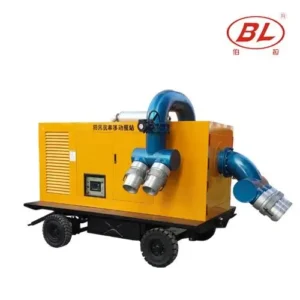
Choosing the Best Mobile Pump
There are many variables to consider when choosing a suitable mobile pump: flow rate; suction lift capability; portability; and what types of fluids you want to transfer. Selecting the appropriate model will help improve your work efficiency, whether you’re using it for industrial purposes or agricultural endeavors, or for emergency situations.
All in all, mobile pumps are not only used to transfer liquids from one location to another but have many other functions and advantages. They can be used in nearly any type of by liquid-producing industries requiring fluid movement. They provide an extremely efficient and convenient way to transfer fluids from one location to another, and can provide assistance to many different types of industries, such as construction and emergency management, as well as benefit both the operator and the environment.