
A diesel fire pump fuel tank installation request should begin with records, not a generic procedure. The project team needs to know what documents govern the work, which interfaces are assigned, and which items remain unresolved before any equipment discussion is treated as final.
- FAQs
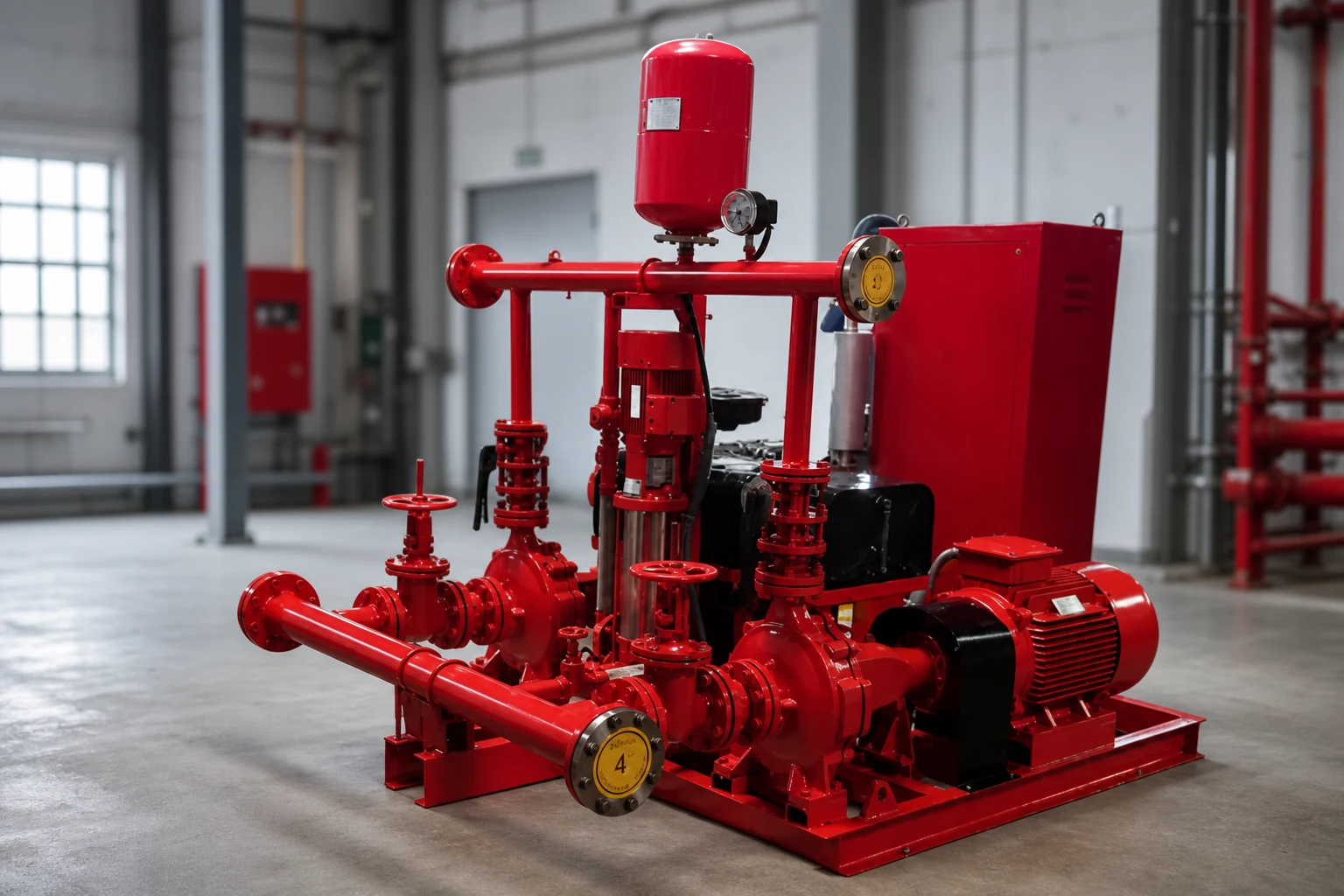
Part 1. Start with the record boundary
Treat the request as a document-review task. Identify the latest drawing, specifications, responsible parties, and the project’s adopted requirements. Do not fill a missing detail with a generic online instruction.
Part 2. Separate documents from web guidance
Web material may frame questions, but it cannot establish an approved arrangement. NFPA and the OSHA flammable-liquids standard provide context for why responsible project review matters.
Important: This article does not approve an installation; NFPA context does not replace adopted project documents or responsible professional review.
Part 3. Identify interfaces without designing them
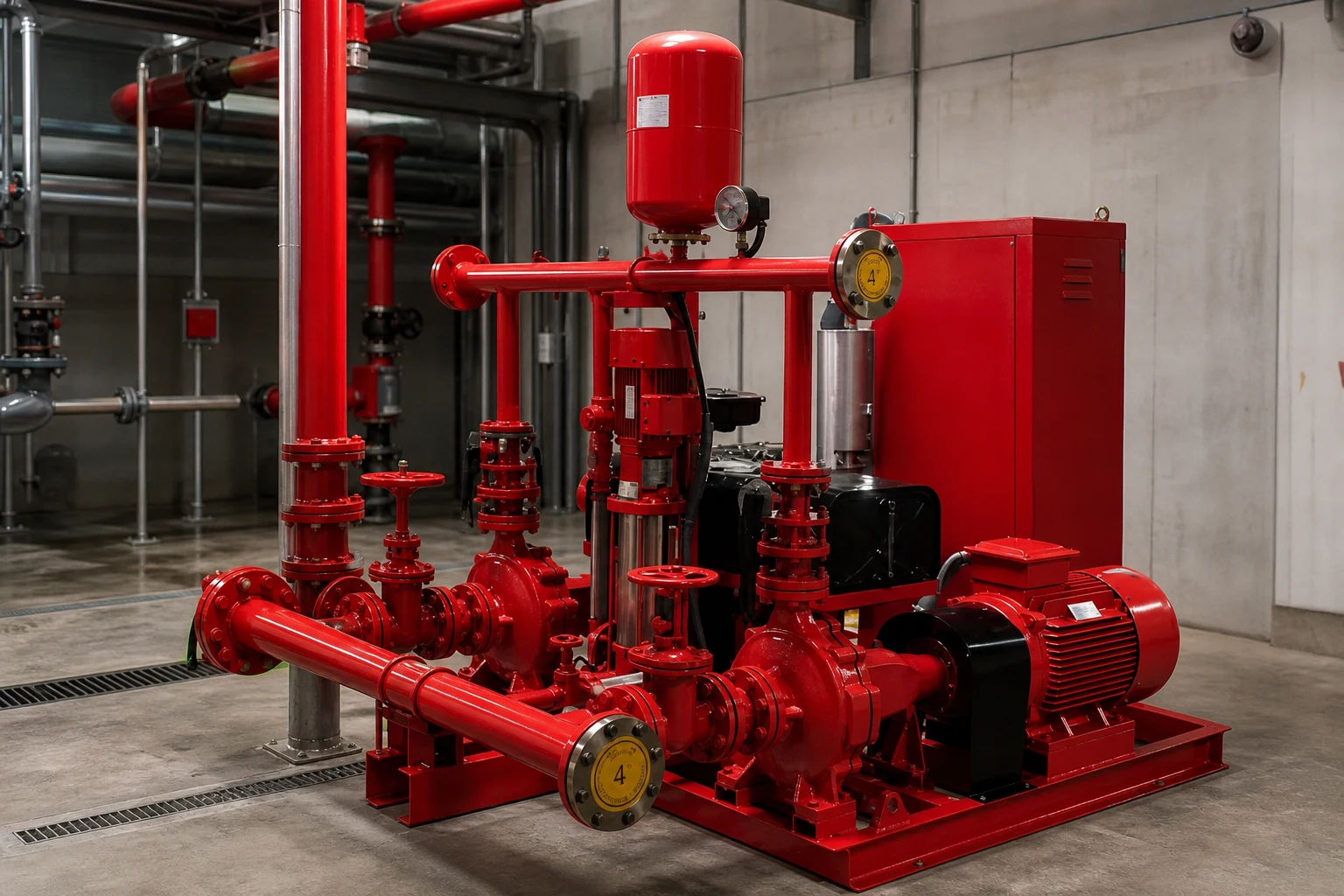
| Record area | Confirm from documents | Do not infer |
|---|---|---|
| Equipment scope | Named equipment and revision | Final configuration |
| Fuel-system boundary | Assigned interfaces | Tank size or route |
| Site responsibility | Party and review path | Approval status |
| Commercial request | Stated inclusions | Complete project scope |
Part 4. Keep approval questions open
El Hydraulic Institute offers industry context, not a site approval. Keep unknown scope, applicable review, and responsibility questions in a visible log.
Part 5. Prepare a documented enquiry
Buyer should provide
| RFQ input | Purpose |
|---|---|
| Current drawings and specifications | Identifies the reviewed record |
| Equipment scope and interface list | Defines the enquiry boundary |
| Site and responsible-party information | Clarifies handoff questions |
| Adopted requirement references | Preserves project context |
| Requested response format | Makes exclusions visible |
Fit Boundary: this is not suitable for a buyer seeking an immediate installation procedure or approval conclusion.
Part 6. Route product questions correctly
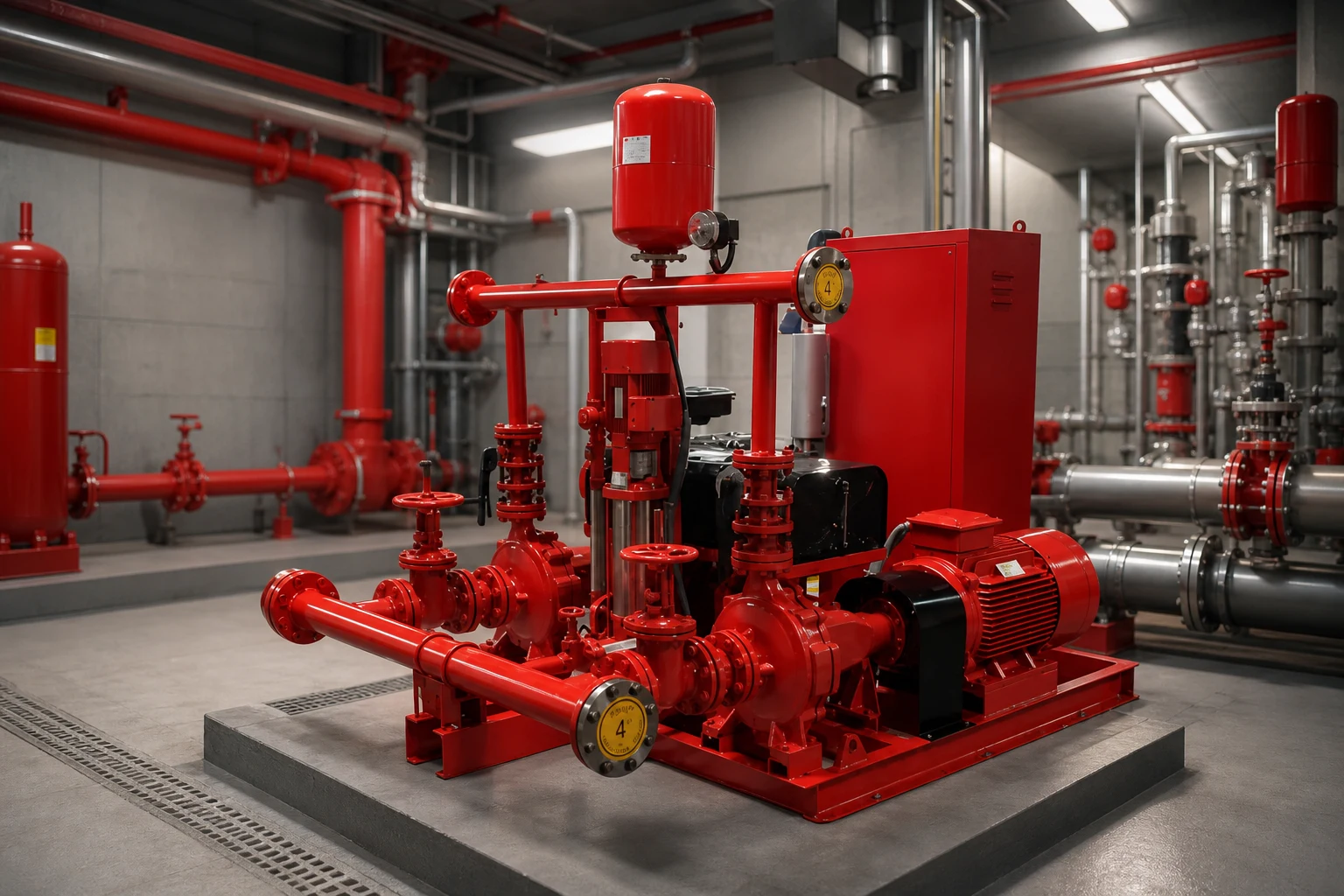
El XBC diesel engine fire pump page is a product recommendation enquiry route only. Read Diesel Fire Pump Fuel Tank Requirements, then send documented project inputs.
Part 7. Close with an open-item log
List missing documents, unassigned interfaces, unclear requirements, and unresolved commercial questions. That log is safer and more useful than treating a web article as a completed installation plan.
FAQs
What should be reviewed before this installation discussion?
Review current project documents, scope, assigned interfaces, adopted requirements, and open items.
Does this article approve a fuel tank installation?
No. It is a document-review guide and cannot approve a site arrangement.
Which documents belong in an enquiry?
Send current drawings, specifications, scope, interface information, requirement references, and the requested response format.
Can a product page prove project fit?
No. It is an enquiry route, not evidence of final fit or approval.
Why keep open items visible?
They identify what the responsible project team and supplier still need to clarify.
What is the product-page role?
It helps start a documented product-family discussion without making an installation claim.