
Dewatering is the controlled removal of unwanted water, from an excavation, a flooded area, a pit, or a structure, so that work can proceed or an asset stays protected. The pump is only the middle of that task.
Réponse directe
In dewatering, a drainage pump takes water that collects at a low point and moves it through a planned line to a documented discharge point; how it works on a given site depends on the pump type, the water, and the route the project has planned. Cet article est un outil d'aide à l'examen de projets destiné aux entrepreneurs, ingénieurs, distributeurs et équipes d'approvisionnement. Il ne remplace pas un ingénieur, une autorité, un plan de mise en service ou la documentation vérifiée du fabricant de l'équipement.
1. The Dewatering Duty in Project Terms
Dewatering is the controlled removal of unwanted water, from an excavation, a flooded area, a pit, or a structure, so that work can proceed or an asset stays protected. The pump is only the middle of that task. Before it, the site needs a collection point where water reliably gathers; after it, the site needs a discharge route the project has approved. A drainage pump working perfectly into an unplanned discharge is still a project failure.
Reading the duty this way explains most equipment choices: the pump type follows the water and the site, and the operating plan follows the discharge conditions the project documents set.
2. Main Components and Their Roles
Across the common designs, the same functional parts appear, even when their shapes differ.
| Composant | Role in the working pump |
|---|---|
| Impeller and casing | Add energy to the water and direct it toward the discharge connection. |
| Sealing arrangement | Keeps the pumped water and the motor or bearing spaces apart. |
| Strainer or screen | Holds back solids larger than the pump is designed to pass. |
| Discharge connection | Joins the pump to the hose or pipe that forms the planned route. |
| Conducteur | Electric motor or engine, fixed or mobile, per the site’s power situation. |
| Level control where fitted | Starts and stops the pump with the water level, per the design. |
3. The Water Path From Collection to Discharge
In operation, water enters through the strainer or suction fitting, gains energy in the impeller, and leaves through the discharge line to the approved point. Each stage has a review question. Is the collection point actually the low point, or does water pond elsewhere? Is the intake submerged or supplied as the design expects? Is the line routed and supported so it stays connected and does not fold? Is the discharge point still the one the project approved?
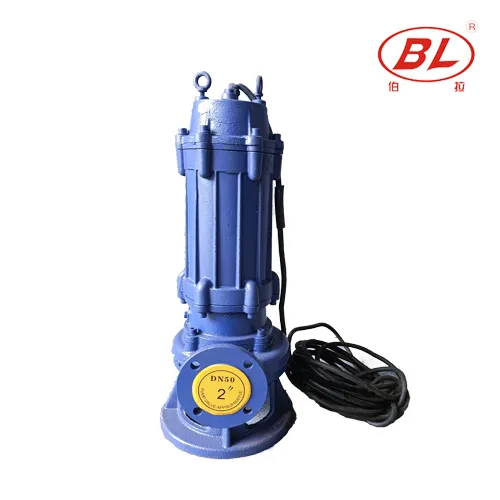
Walking that path at startup and again during operation is how a crew keeps a working pump from becoming an unnoticed problem.
4. Solids, Screening, and Wear
Dewatering water is rarely clean. Silt, sand, and debris follow the water toward the intake, and each design has a stated tolerance for what it can pass. The strainer protects the pump from what it cannot pass, which means the strainer needs attention: a screen that blinds over starves the pump. Abrasive solids also wear the wetted parts over a campaign, so delivery that gradually falls off is recorded and reviewed rather than shrugged off.
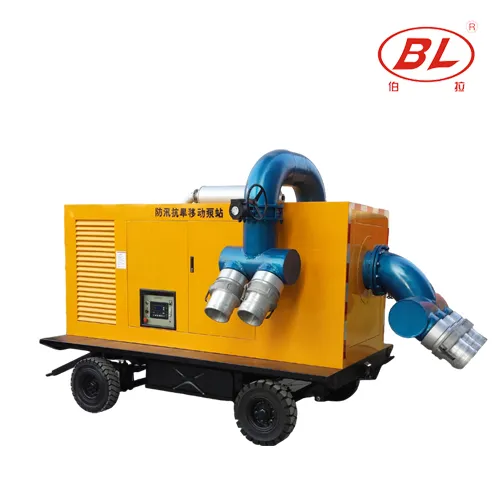
Match the screening and any settlement or filtration measures to what the discharge conditions require, using the project documents as the reference.
5. Operating Reviews During a Campaign
A dewatering setup runs unattended for long stretches, which makes the scheduled review the safety net.
| Stage | What the crew checks |
|---|---|
| Start of shift | Intake condition, line route intact, discharge arriving where planned. |
| During pumping | Delivery consistent with the baseline, unusual noise or vibration, level control behavior. |
| After a weather event | Debris at the intake, line displacement, changed water character. |
| Demobilization | Equipment condition recorded, site reinstated per the project plan. |
6. Selection and Procurement Questions
When the duty is understood, the inquiry writes itself: the water description and expected solids, the required flow and the lift or distance involved with their source, the power available, whether the installation is fixed or mobile, the discharge conditions, and the documents required. Suppliers respond with candidate types and verified data; the project compares those against the documented duty rather than against advertising labels.
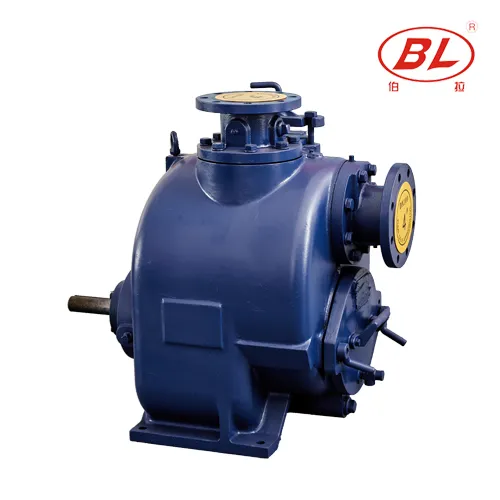
Voir le Guide de la pompe de drainage BORRAPUMP pour des ressources associées, ou contactez BORRAPUMP avec des données de projet contrôlées pour une discussion sur les lots.
7. Limites d'adéquation et de conformité
Cet article ne certifie aucun système, ne dimensionne aucun équipement et ne revendique aucune approbation par rapport à une norme, une homologation ou une autorité locale mentionnée. Il s'agit d'une aide à l'examen. Le choix final, l'installation, les essais et la réception nécessitent les documents du projet en cours, les professionnels responsables, les autorités applicables et les données vérifiées du fabricant pour l'équipement spécifique fourni.
FAQ
Que fait une pompe de drainage dans l'assèchement ?
Il achemine l'eau qui s'accumule en un point bas prévu à l'avance, par une canalisation acheminée vers un point de rejet approuvé par le projet, afin que les travaux puissent se poursuivre ou qu'un équipement reste protégé.
Une pompe de relevage crée-t-elle le point de collecte ?
Non. La conception du site crée le point bas et maintient l'eau qui s'écoule vers celui-ci. La pompe ne fait qu'éliminer ce qui y arrive.
Comment traite-t-on les matières solides dans les applications de déshydratation ?
Each pump design states what it can pass, and the strainer holds back the rest. The liquid description and the manufacturer’s verified data are matched during selection.
Pourquoi le routage des débits est-il si important ?
Parce que l'eau d'exhaure transporte généralement des sédiments ou des débris, et que les documents du projet stipulent où et dans quelles conditions elle peut être rejetée. Un rejet non planifié constitue un échec du projet.
Que faut-il enregistrer pendant que la pompe fonctionne ?
Livraison de référence, observations périodiques, état du filtre et de la ligne, événements météorologiques et tout écart par rapport à la référence, enregistrés par rapport à l'étiquette de l'équipement.
Who decides the pump type for a dewatering task?
The project team, from the documented water description, duty data, power situation, and discharge conditions, confirmed against manufacturer data for specific models.