
Construction sites shop for dewatering pumps under time pressure, which tempts teams to start from a familiar product name. The reliable order is the reverse: write down what the site actually presents, then let the type follow.
Direct Answer
A construction dewatering pump is selected from site data: the water and its solids, the required duty, the power and access situation, and the discharge conditions come first, and the pump type is the route that fits them. This article is a project-review aid for contractors, engineers, distributors, and procurement teams. It does not replace an engineer, an authority, a commissioning plan, or the equipment manufacturer’s verified documentation.
1. Start From Site Conditions, Not Pump Types
Construction sites shop for dewatering pumps under time pressure, which tempts teams to start from a familiar product name. The reliable order is the reverse: write down what the site actually presents, then let the type follow. The water description, the depth or lift involved, the distance to the approved discharge point, the power available at the work front, and how often the setup must move are the facts that eliminate most candidates before any catalog is opened.
This article names the common type routes and pairs each with the review question that decides whether it belongs on the shortlist.
2. Common Pump Routes for Construction Dewatering
Three families cover most construction dewatering work, with hybrids around them.
| Type route | Arrangement | First review question |
|---|---|---|
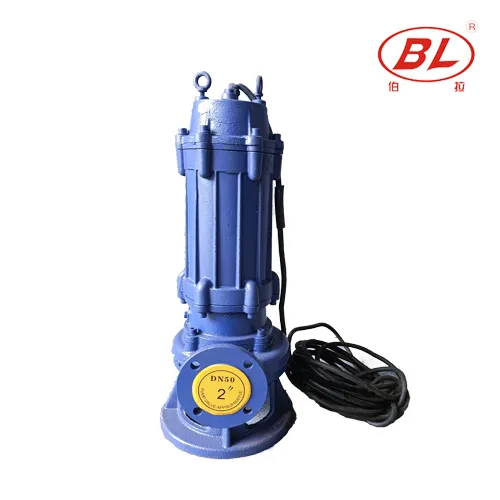
| Electric submersible drainage pump | Sits in the water at the low point, sealed motor, level control where fitted. | Is reliable electrical supply and safe cable routing available at the excavation? |
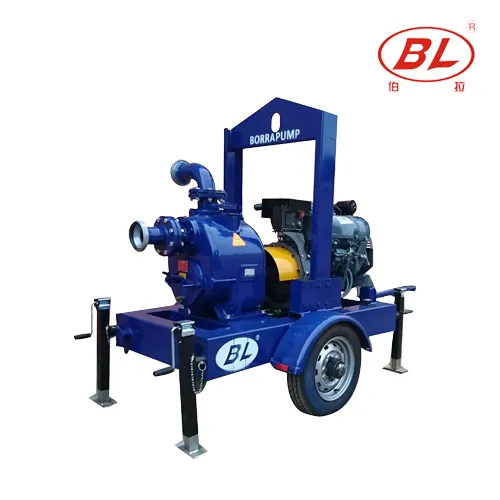
| Surface self-priming pump | Stands at grade beside the excavation and draws water up a suction line. | Does the lift and line route fall within the manufacturer’s verified data for the model? |
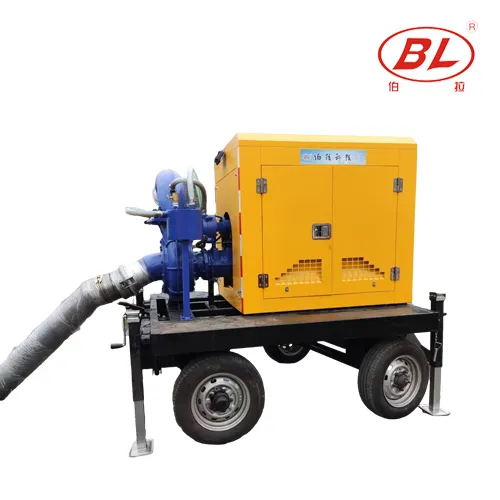
| Engine-driven mobile or trailer pump | Wheeled or skid unit brought to the work front, fuel-supplied. | Does the site need pumping where power does not reach, or need frequent relocation? |
None of these labels states capability. The specific model’s verified data does, checked against the documented duty.
3. Water Quality and Solids Questions
Groundwater seepage, surface runoff, and water from disturbed ground behave differently. Record what the water carries: silt and sand loads, debris, and anything the project’s environmental documents flag. The answer bounds the design family, the screening at the intake, and any settlement or treatment the discharge conditions require. A pump selected for clean water and fed construction slurry will announce the mistake quickly and expensively.
Where the water character changes across the program, note that too: the pump that suits the excavation phase may not suit the finishing phase.
4. Power, Access, and Logistics Inputs
Dewatering equipment lives inside site logistics. Confirm what electrical supply exists at the work front and who maintains it; where fuel can be stored and dispensed if engine drive is considered; how equipment reaches the location and how it is secured; and who on the crew checks the setup through the shift. Mobile trailer units trade fixed installation for towing, positioning, and fueling routines, which the site must actually be able to run.
These are not afterthoughts: on many sites the power and access answers decide the type before hydraulics enter the discussion.
5. Matching the Route to the Project Phase
Dewatering needs shift as the work does, so review the selection at phase boundaries.
| Phase | Typical review focus |
|---|---|
| Initial excavation | Unknown inflow behavior; favor arrangements that are easy to observe and adjust. |
| Sustained groundwater control | Stable duty; review energy source, level control, and attendance plan. |
| Storm response | Standby readiness, intake protection, and a discharge route that handles surges per the project plan. |
| Demobilization | Condition records, cleaning, and reinstatement per the project documents. |
6. RFQ Checklist for Dewatering Pumps
A quotable inquiry carries the water description, duty flow and lift with their source, line lengths and routes, the power situation, mobility requirements, the discharge conditions, the expected campaign duration, and the documents required with delivery. Ask each supplier to state the verified basis for the figures they quote, and keep the answers with the project records; they become the acceptance reference when the equipment arrives.
See the BORRAPUMP Drainage Pump guide for related resources, or contact BORRAPUMP with controlled project data for a package discussion.
7. Fit and Compliance Boundary
This article does not certify a system, does not size equipment, and does not claim approval to any named standard, listing, or local authority. It is a review aid. Final selection, installation, testing, and acceptance require the current project documents, responsible professionals, the applicable authorities, and the manufacturer’s verified data for the specific equipment supplied.
FAQ
Which pump type is best for construction dewatering?
None universally. The documented water description, duty, power, access, and discharge conditions select the route, and the specific model’s verified data confirms it.
When does an engine-driven trailer pump make sense?
When pumping is needed where electrical supply is impractical, or the setup must relocate often. The site must support fueling, towing, and securing routines.
How do solids in the water affect the selection?
They bound the feasible design family, the intake screening, and any settlement or treatment before discharge. Record the solids load and match it to verified model data.
Can one pump serve the whole project?
Sometimes, but needs change with the phase. Review the selection at phase boundaries instead of assuming the first choice fits to the end.
What belongs in a dewatering pump RFQ?
Water description, duty data with sources, line routes, power and mobility requirements, discharge conditions, campaign duration, and required documents.
Do discharge rules affect pump choice?
Yes. The project’s discharge conditions can require screening, settlement, or specific routing, which feeds back into the type and the site setup.