
Maintenance content and intervals belong to the manufacturer manual for the installed model and to the site's duty: a pump moving clean water on a mild schedule and a pump handling dirty water around the clock do not share a maintenance calendar. The…
Réponse directe
A useful self priming pump maintenance program starts from the manufacturer manual and the site’s own duty, then adds records and escalation rules; it is not a copy of a generic internet list. Cet article est un outil d'aide à l'examen de projets destiné aux entrepreneurs, ingénieurs, distributeurs et équipes d'approvisionnement. Il ne remplace pas un ingénieur, une autorité, un plan de mise en service ou la documentation vérifiée du fabricant de l'équipement.
1. Start From the Manual and the Duty
Maintenance content and intervals belong to the manufacturer manual for the installed model and to the site’s duty: a pump moving clean water on a mild schedule and a pump handling dirty water around the clock do not share a maintenance calendar. The checklist below therefore names review areas and questions, and deliberately avoids intervals, clearances, torques, and lubricant quantities, all of which come from the manual and the project documents.
Before writing the site checklist, confirm the exact model and serial data, hold the current manual, and record the duty the pump actually runs, including how often it starts and what the liquid carries.
2. Build the Site Checklist by Area
Organize the checklist by physical area so a technician can walk the machine in one pass.
| Zone | Review items drawn from the manual and site duty |
|---|---|
| Casing and priming chamber | Liquid retention where the design requires it, sediment accumulation, and the condition of any inspection covers. |
| Suction line and connections | Airtight joints, strainer condition, hose or pipe damage, and support of the line. |
| Sealing | Signs of leakage at the shaft area, per the sealing arrangement the manual describes. |
| Driver and mounting | Mounting integrity, alignment or coupling condition where applicable, guards, and cable or fuel condition by driver type. |
| Instrumentation and records | Gauges or indicators readable and consistent with the recorded baseline. |
3. Priming-Related Checks
The priming function deserves its own section because it degrades quietly. Reviews focus on whether the pump still holds the liquid the design expects it to retain, whether priming takes noticeably longer than the recorded baseline, and whether the suction side has developed leaks or blockages. A lengthening prime time is a symptom worth recording even when the pump still delivers, because it often precedes a failure to prime at all.
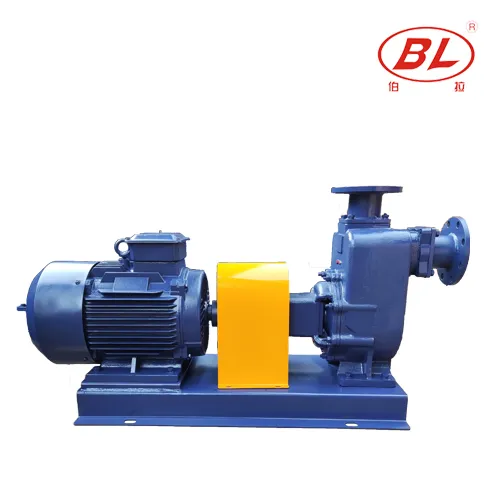
Record priming observations the same way each time: date, operator, liquid level condition, and time to steady delivery, so the trend is visible across visits. Where the installation changed since the last visit, for example a lengthened hose or an altered line route, note the change in the same record, because it resets the baseline the next reading is judged against.
4. Wear, Clearance, and Sealing Reviews
Solids-handling duties wear the components that priming and delivery depend on. The manual for the installed model states which components are inspected, what condition justifies replacement, and what clearances or settings apply. The site checklist should reference those manual sections rather than reproduce numbers, so the checklist never drifts out of date when documentation is revised.
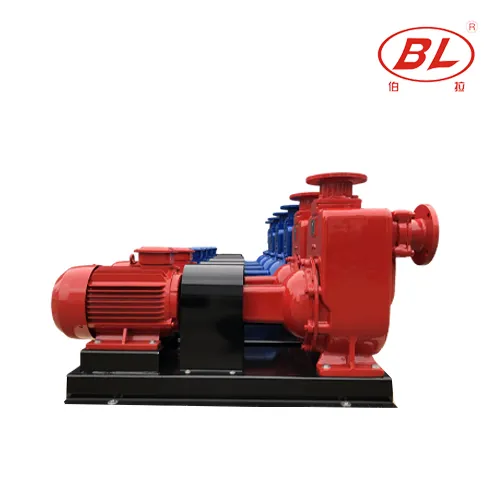
File measurements and part replacements against the pump’s tag with the manual revision used, which turns individual repairs into a wear history the next planner can use.
5. Records and Spares Planning
A checklist without records only proves someone walked past the pump.
| Enregistrer | Why it earns its place |
|---|---|
| Baseline at commissioning | Later observations mean little without the starting condition. |
| Visit log | Date, operator, duty at the time, and items checked against the checklist revision. |
| Exception list | Findings routed to engineering or the supplier, with status. |
| Spares usage | Consumption against the manufacturer’s recommended spares list guides stocking. |
6. When to Escalate Beyond the Checklist
Routine review keeps a healthy pump healthy; it does not diagnose a changed system. Escalate to engineering or the supplier when the duty itself changes, when priming or delivery departs from baseline without an obvious cause, when the liquid changes character, or when repeated repairs cluster on the same component. Escalation with records attached gets useful answers; escalation with impressions does not.
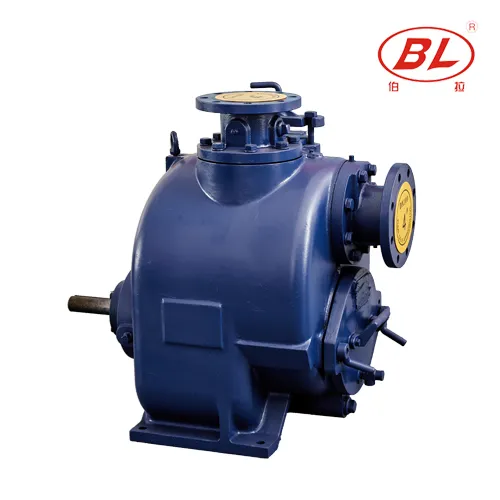
Voir le Guide de la pompe auto-amorçante BORRAPUMP pour des ressources associées, ou contactez BORRAPUMP avec des données de projet contrôlées pour une discussion sur les lots.
7. Limites d'adéquation et de conformité
Cet article ne certifie aucun système, ne dimensionne aucun équipement et ne revendique aucune approbation par rapport à une norme, une homologation ou une autorité locale mentionnée. Il s'agit d'une aide à l'examen. Le choix final, l'installation, les essais et la réception nécessitent les documents du projet en cours, les professionnels responsables, les autorités applicables et les données vérifiées du fabricant pour l'équipement spécifique fourni.
FAQ
How often should a self-priming pump be serviced?
At the intervals the manufacturer manual states, adjusted through the project’s own review for the site duty. A generic calendar from an article is not a maintenance basis.
Can this checklist replace the manufacturer manual?
No. It organizes a site review around the manual. Values, procedures, and safety instructions come from the manual for the installed model.
What should be done when priming becomes slower?
Record the observation against the baseline, review the suction side for leaks and blockages, consult the manual, and escalate with records if the trend continues.
Which spare parts should be stocked?
Those on the manufacturer’s recommended spares list for the model, weighted by the site’s recorded consumption and the duty’s tolerance for downtime.
Who should perform the maintenance work?
Personnel the project authorizes, working to the manual and the site’s safety procedures. This article does not qualify anyone to service equipment.
Does an idle pump still need review?
Yes. Storage and standby conditions have their own requirements in the manual, and liquid left in the pump, or lost from it, changes what the next startup needs.