
A self-priming pump is a surface-installed machine that stands above the liquid and re-establishes its own prime within the limits stated by its manufacturer. A submersible pump is installed in the liquid it moves, with a sealed motor, and is lifted out when…
Réponse directe
The self priming pump vs submersible pump decision is set by installation position, access, the service plan, and verified duty data, not by a universal winner between the two concepts. Cet article est un outil d'aide à l'examen de projets destiné aux entrepreneurs, ingénieurs, distributeurs et équipes d'approvisionnement. Il ne remplace pas un ingénieur, une autorité, un plan de mise en service ou la documentation vérifiée du fabricant de l'équipement.
1. Two Installation Concepts, Two Service Models
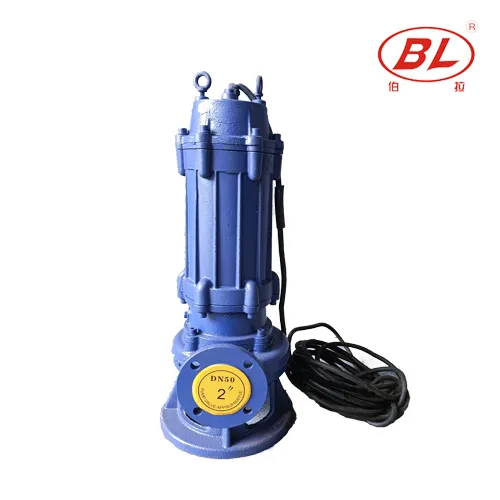
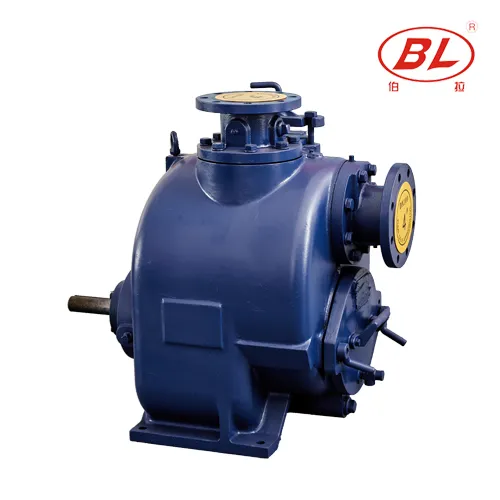
A self-priming pump is a surface-installed machine that stands above the liquid and re-establishes its own prime within the limits stated by its manufacturer. A submersible pump is installed in the liquid it moves, with a sealed motor, and is lifted out when it needs attention. Everything that separates the two routes flows from that difference in position: civil works, electrical arrangement, inspection during operation, and what a service visit physically involves.
This article frames the comparison as a set of selection boundaries that apply across transfer, dewatering, and wastewater duties, so a project team can decide which inputs matter before asking any supplier for a model.
2. Compare Installation and Access Inputs
Start with where each concept physically sits and what the site must build around it.
| Entrée | Self-priming route | Submersible route |
|---|---|---|
| Pump location | Surface-mounted beside or above the source. | Installed in the liquid, in a pit, sump, or tank. |
| Civil works | Hardstanding or base plus a suction line route. | Pit or chamber access, with supports or guide arrangements per design. |
| Access for service | At grade, with the pump visible and reachable. | Requires lifting the unit before most service work. |
| Observation in operation | Direct visual and audible inspection while running. | Indirect, through instrumentation and controls. |
3. Service and Maintenance Boundaries
The service model often decides the route before hydraulics do. A surface-mounted self-priming pump can be inspected, opened, and in many designs cleared of debris without disturbing the piping, which suits sites where the pump is attended and downtime must be short. A submersible unit concentrates its service effort into retrieval: the work itself may be straightforward, but it needs lifting provisions, a safe access plan for the pit or chamber, and scheduling.
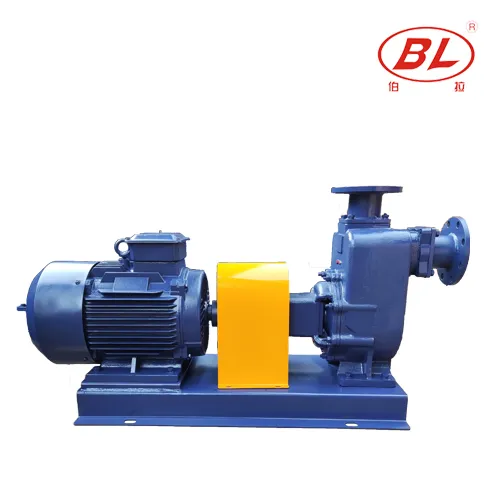
Write the service plan down as part of selection: who attends the pump, what lifting or access equipment exists, and how quickly a blockage or fault must be cleared. A route that looks cheaper on hardware can be more expensive against that plan.
4. Application Questions That Decide the Route
Across applications, the same few questions separate the candidates. Is there a workable surface location within the suction capability the manufacturer states for the self-priming option? Is there a pit or chamber that suits a submerged unit, and can it be reached safely? Does the liquid carry solids that favor one design family? Is the installation temporary and mobile, or fixed? Does the site prefer service at grade, or is lifting equipment already part of operations?
Answering these against verified site data usually narrows the field to one concept without any catalog comparison.
5. Data Needed Before a Valid Comparison
Whichever way the early answers lean, a defensible selection needs the same inputs in writing.
| Entrée | Pourquoi c'est important |
|---|---|
| Description du liquide | Solids, temperature, and chemistry bound which design families are feasible. |
| Duty data | Required flow and head come from the project, not from a catalog page. |
| Site power | Available supply and control interfaces bound the driver and starter options. |
| Geometry | Vertical distances and line routes are checked against manufacturer data for the specific model. |
| Service plan | Attendance, lifting provisions, and allowable downtime shape the workable route. |
6. Procurement Checklist for Either Route
Send the inquiry with the liquid description, the duty data and their source, the installation concept under consideration, the site power data, the service plan, the destination, and the documents required. Ask the supplier to state the basis of any suction or installation limit they quote, so the project can file the claim against verified data for the specific model rather than a family brochure.
Voir le Guide de la pompe auto-amorçante BORRAPUMP pour des ressources associées, ou contactez BORRAPUMP avec des données de projet contrôlées pour une discussion sur les lots.
7. Limites d'adéquation et de conformité
Cet article ne certifie aucun système, ne dimensionne aucun équipement et ne revendique aucune approbation par rapport à une norme, une homologation ou une autorité locale mentionnée. Il s'agit d'une aide à l'examen. Le choix final, l'installation, les essais et la réception nécessitent les documents du projet en cours, les professionnels responsables, les autorités applicables et les données vérifiées du fabricant pour l'équipement spécifique fourni.
FAQ
Is a self-priming pump always easier to maintain than a submersible pump?
No. It is easier to reach, which suits attended sites. Whether total maintenance effort is lower depends on the duty, the liquid, and the site’s lifting and access provisions.
Can the two concepts be compared on price alone?
No. Civil works, electrical arrangement, service provisions, and downtime expectations differ between the routes, so a hardware-only price comparison misleads.
What decides the suction capability of a self-priming pump?
The manufacturer’s verified data for the specific model at the site conditions. General claims or figures remembered from other projects are not selection evidence.
Does a submersible pump need a specially built pit?
The installation arrangement comes from the project design. Some duties use existing sumps or tanks; others require a designed chamber with access and support provisions.
Which route handles solids better?
Neither label answers that. Solids handling belongs to the specific model’s verified design data, which is checked against the documented liquid description.
What data should be fixed before requesting quotations?
The liquid description, duty flow and head with their source, the installation concept, site power, the service plan, and the documents the project requires.