
A sump is a designed or existing low point where water collects. A sump pump is selected around that collection arrangement, including available space, inlet conditions, access, controls where fitted, and service retrieval.
Réponse directe
The sump pump vs drainage pump decision begins with the collection arrangement and water conditions: a sump pump describes a pump serving a defined low-point basin, while drainage duty describes removing unwanted water from a site or structure. Ce guide s'adresse aux équipes de projets B2B, aux entrepreneurs, aux distributeurs et aux examinateurs des achats. Il organise les questions de terrain et de sélection sans remplacer l'ingénierie responsable ou la documentation du fabricant.
1. Separate the Collection Point From the Pump Label
A sump is a designed or existing low point where water collects. A sump pump is selected around that collection arrangement, including available space, inlet conditions, access, controls where fitted, and service retrieval. Drainage pump is a broader duty term for removing unwanted water from pits, floors, excavations, or structures. The labels overlap in practice, so the site arrangement and water description must decide the shortlist.
2. Map the Water Path at the Site
Before comparing equipment, trace where water originates, how it reaches the low point, what solids or debris travel with it, and where the discharge is intended to go. A pump cannot correct a collection point that is not the actual low point or a discharge route that is not controlled. Use drawings, site observations, and current work plans to identify the water path instead of assuming the name of a previous pump describes the new duty.
| Point d'examen | Preuves à conserver |
|---|---|
| Définition de fonction | Dessin actuel, plan de travail, base de mesure et description de l'eau. |
| Parcours sur le terrain | Itinéraire balisé, emplacements des interfaces, restrictions d'accès et changements observés. |
| Preuve d'équipement | Documentation spécifique du modèle et réponse du fournisseur liées aux intrants du projet. |
| Passation de consignes | Étiquette d'équipement, état du trajet/de la sortie, exceptions et statut d'escalade. |
3. Compare Access and Service Boundaries
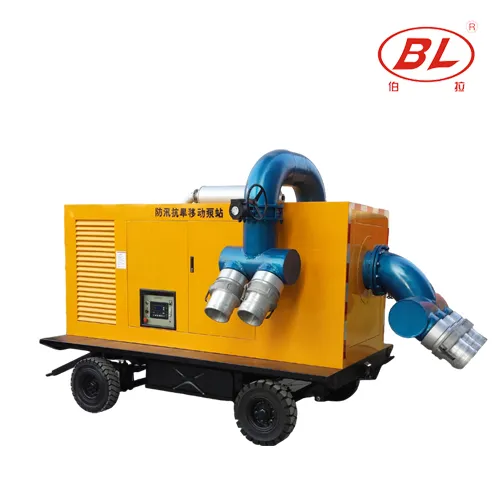
A fixed sump installation may need a retrieval plan, access above the basin, controls, cable routing, and records for inspections. A portable drainage arrangement may prioritize rapid positioning, hose routing, and frequent visual checks. Neither service model is universally easier. The responsible choice follows who will attend the equipment, what access exists in the completed site condition, and how the team will recover from blockage or fault.
4. Match Water Character to Verified Model Data
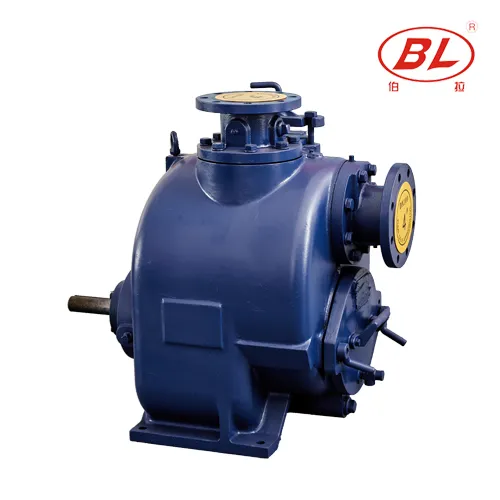
Clean seepage, silt-laden runoff, and water carrying debris present different selection questions. Record the liquid condition at the intake rather than using a broad label. Then compare that record with the specific manufacturer’s verified data for candidate models, including the stated conditions behind any solids or duty claims. A name on a catalog family does not establish that an individual pump can handle the water at this site.
5. Define the Control and Attendance Plan
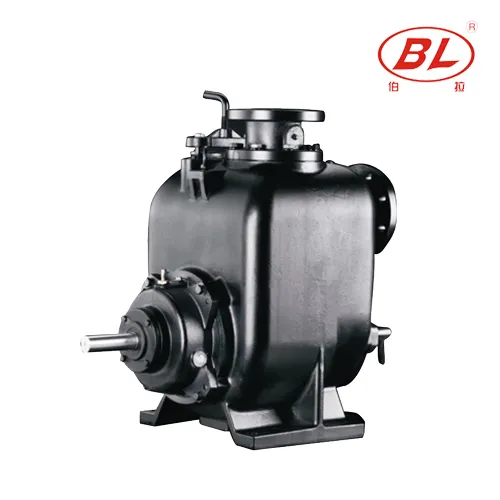
Where level controls, alarms, or automatic operation are considered, their behavior and interfaces belong to the project design and the installed equipment documentation. For attended portable drainage, define who checks intake condition, hose routing, and outlet condition through the shift. The selection record should state the operating model clearly so a site does not buy an automatic concept while staffing it as if it were manual, or the reverse.
| Question | Limite d'examen |
|---|---|
| Que doit déplacer l'installation ? | Eau entre la source documentée et la destination, et non un devoir générique présumé. |
| Qu'est-ce qui peut changer ? | L'itinéraire, l'état de l'eau, l'accès et les contraintes du front de taille font l'objet d'un examen consigné. |
| Qu'est-ce qui confirme l'ajustement ? | Données vérifiées du fabricant pour un modèle spécifique confrontées aux éléments de preuve du projet. |
| Qui accepte le résultat ? | Les parties responsables du projet en vertu des documents actuels et des exigences applicables. |
6. Build an Inquiry From Project Evidence
A useful inquiry states the collection arrangement, water description, required duty with its source, available power, access and retrieval constraints, discharge conditions, expected mobility, and documents required with delivery. Ask suppliers to identify a specific model and the verified basis for its suitability. This lets the project compare candidates against the same evidence rather than treating sump and drainage terminology as specifications.
Pour le contexte de sélection associé, voir le Guide de la pompe de drainage BORRAPUMP. Pour une discussion de colis utilisant des données de projet contrôlées, contactez BORRAPUMP.
7. Limites d'adéquation et de conformité
Cet article est une aide à la sélection et à l'examen de projets. Il ne dimensionne pas les équipements, ne certifie pas une installation, ne revendique aucune homologation et ne définit pas de valeurs de fonctionnement. L'adéquation finale des équipements, l'installation, les dispositions d'évacuation, les essais et la réception nécessitent des documents de projet actuels, des professionnels responsables, les autorités compétentes et des données vérifiées du fabricant.
FAQ
Is a sump pump always submersible?
No. Installation concepts vary. The project arrangement and verified data for the selected model define whether a submerged or other configuration fits.
Is drainage pump a product specification?
No. It describes a duty. The required liquid handling, duty, installation, and service requirements must be verified for a specific model.
What decides whether a sump is suitable?
The site design determines the collection arrangement, access, inlet conditions, discharge path, and maintenance provisions; the pump is then reviewed against those inputs.
Can a portable pump replace a fixed sump arrangement?
Only after project review. Mobility, controls, access, power, discharge routing, and attendance requirements can differ materially.
What water information belongs in a selection request?
Record the source, solids and debris condition, temperature or chemistry where relevant, expected variation, required flow and head, and the source of those duty values.
Who confirms the final pump selection?
The responsible project reviewer confirms the documented site duty against verified manufacturer data and applicable project requirements.