
Wastewater is not one liquid. Municipal sewage, industrial process effluent, plant drainage, and sludge streams differ in solids, fibrous content, temperature, and chemistry, and those differences, not the word wastewater, decide which pump families are…
Réponse directe
Wastewater pump types are shortlisted from the liquid description and the installation concept: submersible sewage pumps, non-clog self-priming units, and dry-installed pumps each fit different industrial and municipal review paths. Cet article est un outil d'aide à l'examen de projets destiné aux entrepreneurs, ingénieurs, distributeurs et équipes d'approvisionnement. Il ne remplace pas un ingénieur, une autorité, un plan de mise en service ou la documentation vérifiée du fabricant de l'équipement.
1. Duty Definition Before Type Selection
Wastewater is not one liquid. Municipal sewage, industrial process effluent, plant drainage, and sludge streams differ in solids, fibrous content, temperature, and chemistry, and those differences, not the word wastewater, decide which pump families are feasible. The duty definition therefore starts with the liquid: what it carries, how it varies through the day and the season, and what the receiving process or network expects.
With the liquid documented, the installation concept follows: in the liquid, beside it, or in a dry well next to a wet well. This article organizes the common types along exactly those two questions.
2. Common Wastewater Pump Types
Three routes cover most industrial and municipal wastewater applications.
| Type route | Arrangement | Typical review focus |
|---|---|---|
| Submersible sewage pump | Sealed unit installed in the wet well or sump, lifted for service. | Solids passage per verified model data, retrieval provisions, level control. |
| Non-clog self-priming pump | Surface-mounted beside the source, draws through a suction line within stated limits. | Suction geometry against manufacturer data, at-grade service access, clearing provisions. |
| Dry-installed pump | Pump in a dry well or plant room, connected to the wet side by design. | Civil arrangement, flooding protection per design, alignment and access. |
Each route also carries its own electrical, control, and ventilation questions, which the project design answers.
3. Solids and Liquid Characterization Questions
The most expensive wastewater pump mistakes are liquid mistakes. Before any type is shortlisted, record what solids sizes appear, whether the stream carries fibrous material that wraps and mats, whether grease or scum forms, what temperature range applies, and whether the chemistry attacks common materials. Modern screening practice upstream changes what actually reaches the pump, so describe the stream at the pump, not at the source.
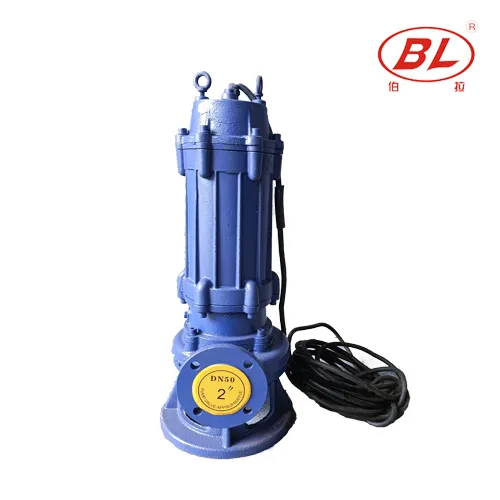
Hold every candidate’s stated solids and materials data against that record, and treat undocumented tolerance claims as questions for the supplier.
4. Industrial vs Municipal Review Differences
The same hardware families serve both sectors, but the review context differs.
| Review aspect | Industrial duty | Municipal duty |
|---|---|---|
| Liquid variability | Process-driven, can change with production campaigns. | Diurnal and seasonal patterns around a known baseline. |
| Governing documents | Plant specifications and process requirements. | Utility standards and the network operator’s requirements. |
| Attendance | Plant maintenance teams, often on site. | Distributed stations, scheduled visits and telemetry. |
| Redundancy expectations | Set by process criticality. | Set by the utility’s service obligations. |
The distinction matters at procurement: the documents a bid must answer to come from different owners in each sector.
5. Installation and Service Considerations
Wastewater service is where installation concepts prove themselves. Submersible routes concentrate effort into safe retrieval: lifting provisions, access above the well, and procedures for confined spaces per the site’s rules. Self-priming routes keep the machine at grade where it can be opened and cleared, and move the design attention to the suction line. Dry-installed routes give plant-room working conditions and put weight on the civil arrangement that keeps the dry side dry.
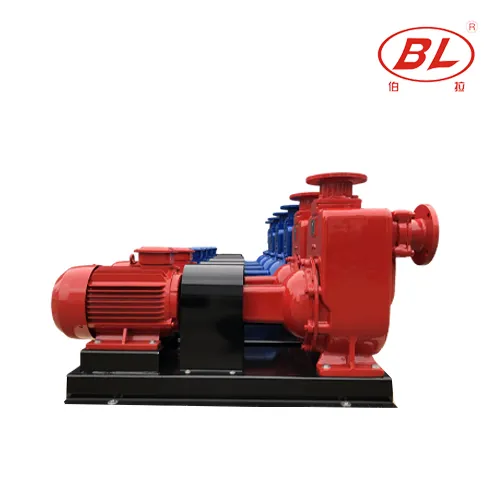
Whichever route is chosen, blockage clearing is a routine event in wastewater duty, so the service plan belongs in the selection record, not in an appendix.
6. Procurement Data Checklist
A wastewater inquiry carries the liquid description at the pump, the duty flow and head with their source, the installation concept and its civil constraints, the electrical and control situation, the service plan, the applicable sector documents, and the records required with delivery. Ask suppliers to identify specific models with verified solids passage and materials data, and file the answers as the acceptance reference.
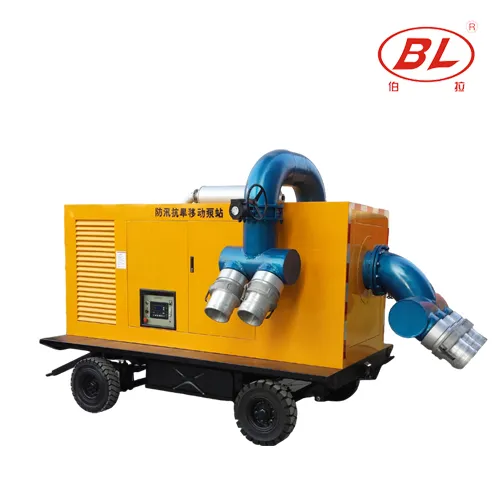
Voir le BORRAPUMP Sewage Pump guide pour des ressources associées, ou contactez BORRAPUMP avec des données de projet contrôlées pour une discussion sur les lots.
7. Limites d'adéquation et de conformité
Cet article ne certifie aucun système, ne dimensionne aucun équipement et ne revendique aucune approbation par rapport à une norme, une homologation ou une autorité locale mentionnée. Il s'agit d'une aide à l'examen. Le choix final, l'installation, les essais et la réception nécessitent les documents du projet en cours, les professionnels responsables, les autorités applicables et les données vérifiées du fabricant pour l'équipement spécifique fourni.
FAQ
Quels sont les principaux types de pompes à eaux usées ?
Les pompes submersibles d'eaux usées dans le puisard, les pompes auto-amorçantes sans colmatage en surface et les pompes installées à sec à côté du puisard sont les solutions courantes, sélectionnées à partir des données relatives aux liquides et à l'installation.
Quel type gère le mieux les solides ?
No label answers that. Solids passage belongs to the specific model’s verified data, held against the documented stream at the pump.
Les tâches industrielles et municipales nécessitent-elles différentes pompes ?
Souvent, les mêmes familles servent les deux, mais les documents directeurs, la variabilité liquide et les attentes de service diffèrent, donc les parcours d'examen diffèrent.
Quelles données liquides doivent être enregistrées avant la sélection ?
Solids sizes, fibrous content, grease or scum formation, temperature range, chemistry, and how the stream varies, described at the pump location.
Why does the service plan matter at selection time?
Blockage clearing is routine in wastewater duty. Retrieval provisions, at-grade access, or dry-well working conditions follow from the chosen route and must be workable for the crew.
What makes wastewater quotations comparable?
Specific model identification, verified solids and materials data with stated conditions, clear scope inclusions and exclusions, and the documents the sector requires.