
A booster pump commissioning checklist should prove that the installed system delivers its required flow and pressure, changes pumps correctly, responds safely to faults, and returns to normal operation. A motor that runs and a gauge that reaches the setpoint are only two observations. They do not establish performance at the critical outlet, adequate inlet pressure, or reliable operation when demand changes.
This guide is for building-water contractors, commissioning engineers and facilities teams preparing a witnessed handover. It focuses on functional acceptance of an installed package, rather than repeating a mechanical installation procedure. Agree the tests and acceptance values with the project engineer and equipment supplier before starting. Fire pumps need their own approved acceptance process.
Define the acceptance boundary before the test
Identify exactly what the commissioning certificate covers: the packaged booster, its source tank or mains connection, the distribution network, the pressure vessel, and any building-management interface. A package can perform correctly while a partly closed downstream valve prevents adequate service upstairs. Recording the boundary prevents that building problem from disappearing inside a pump acceptance signature.
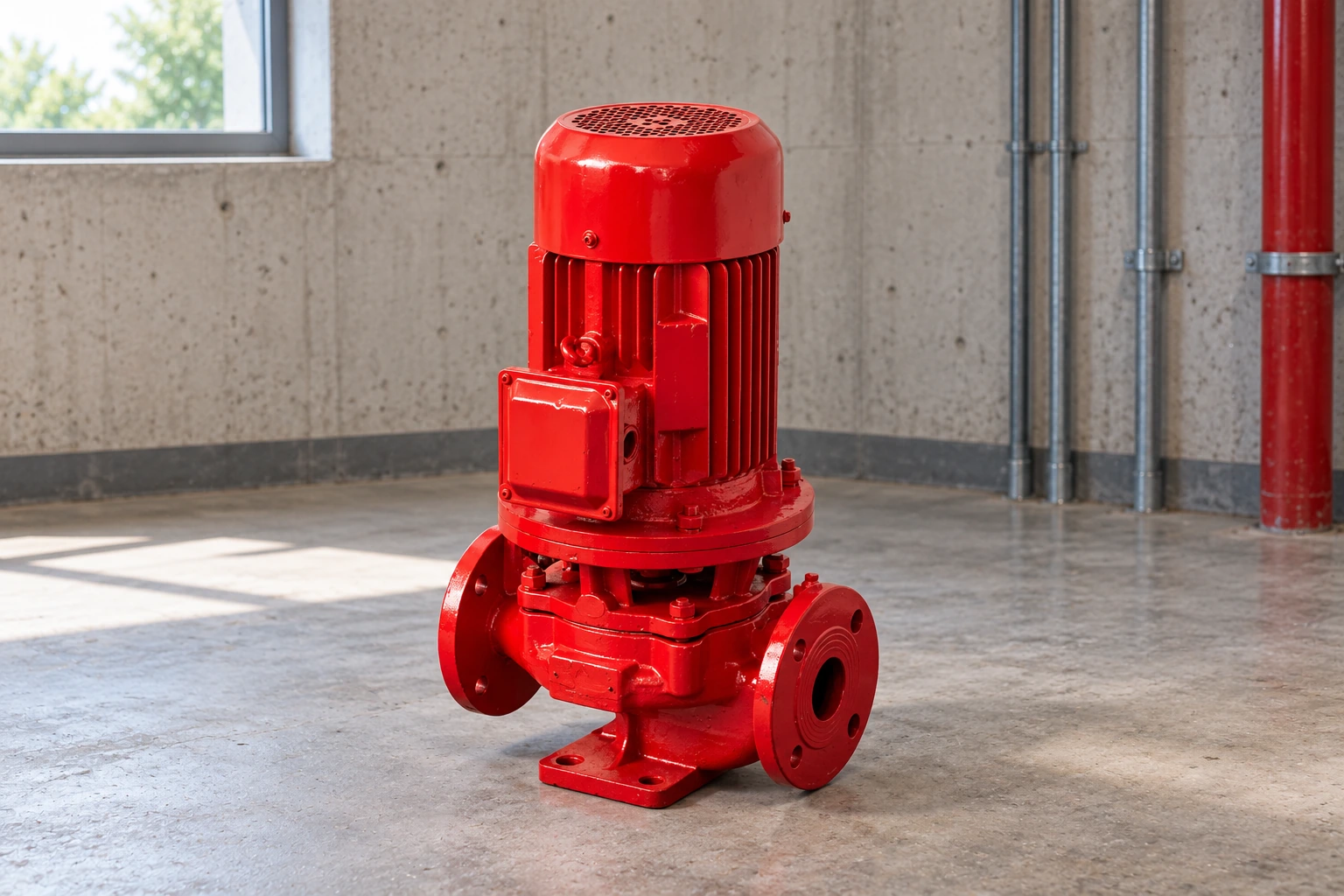
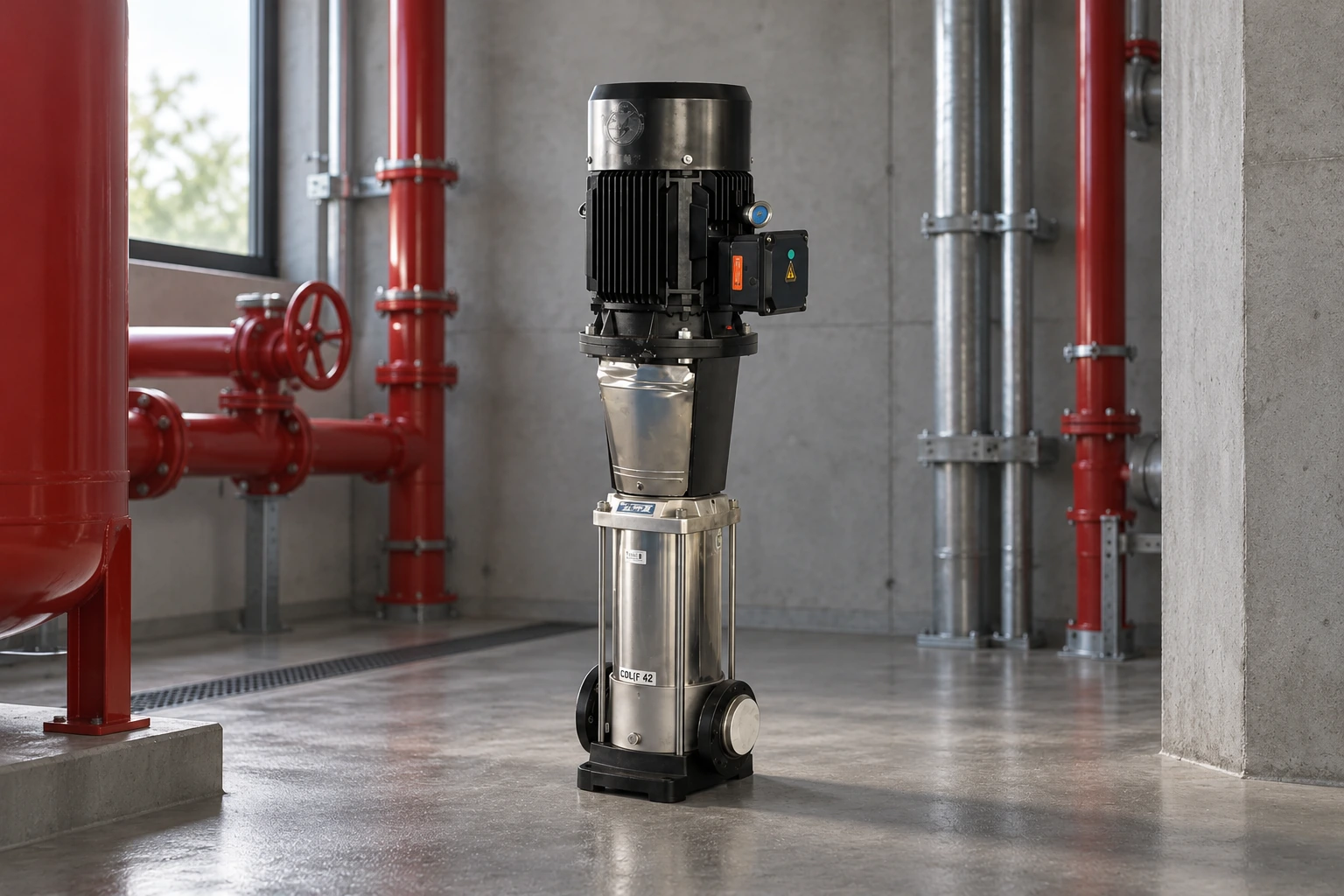
List the approved duty flow, required delivery pressure, inlet-pressure range, operating sequence and critical outlet. Include the applicable drawing revisions, pump curves, controller software settings and instrument identifiers. Use the actual supplied configuration rather than a brochure for a similar model. For a packaged installation, start with the documented arrangement of the peralatan penyuplai air regulator booster and obtain its project-specific schedule.
Decide who can authorize operation and who will observe the outlet. Assign one person responsibility for ending a test if tank level, system pressure, electrical loading or leakage becomes unsafe. Schedule demand tests so they do not interrupt essential building services or create uncontrolled discharge.
Complete readiness checks without substituting for installation approval
Confirm that the installation records have been accepted. These include pipe flushing, applicable water-quality clearance, supports, alignment where relevant, electrical inspection, protective-device settings and pressure testing. Commissioning should not be used to discover whether loose wiring or unfinished pipework is safe.
Check the water source, isolation positions, venting arrangements and available discharge route. Trapped air can distort readings and create noise. A blocked strainer can make an otherwise suitable pump appear undersized. Document temporary strainers and the plan for their removal or cleaning. Review the separate Panduan pemasangan pompa penguat for installation coordination.
For potable service, preserve sanitary conditions when connecting temporary hoses or instruments. A functional test is not permission to connect contaminated equipment or bypass backflow protection. Confirm local requirements with the responsible water professional. Water-quality release and hydraulic acceptance should be identifiable records, even when performed during the same visit.
Prepare a practical witnessed test sheet
Use a sheet with expected results entered before testing. Leaving acceptance limits blank until readings are available creates an avoidable disagreement. Record both the controller display and an independent field measurement wherever the test depends on sensor accuracy.
| Kondisi pengujian | Record in the field | Acceptance basis |
|---|---|---|
| Stable single-pump demand | Flow, inlet and outlet pressure, speed, current | Approved pump duty and operating limits |
| Rising demand | Pressure response, lag-pump start, time and speed | Agreed sequence and pressure envelope |
| Falling demand | Pump staging, minimum running condition, stop behavior | Controller sequence and pump limits |
| Lead-pump changeover | Lead identity before and after change | Approved rotation strategy |
| Simulated source shortage | Alarm, stop command, restart permission | Approved low-source protection method |
| Sensor or drive fault | Indication, fallback behavior and reset | Project-specific fault matrix |
| Restored normal service | Automatic mode, valve positions, stable pressure | Handover checklist and signed settings |
These are planning fields, not universal setpoints. The Buku sumber daya sistem pompa DOE provides the system-performance context. The WBDG commissioning overview explains the wider verification and documentation process; the building engineer must still set the applicable test conditions.
Measure hydraulic performance at meaningful conditions
Measure inlet and outlet pressures together with flow and speed. Delivery pressure alone cannot distinguish between a high source pressure and useful pressure added by the pump. Likewise, a satisfactory outlet reading at almost no demand does not prove the required duty flow.
Compare the measured condition with the supplied curve using consistent units, instrument elevations and speed. If gauge elevations differ materially, the engineer should account for the elevation term. Include velocity effects when the test accuracy and piping arrangement require them. Do not label outlet gauge pressure as differential pump head without checking the inlet condition.
Create controlled, measured demand rather than opening random outlets until the pressure falls. The test route must handle the water safely and comply with water-use restrictions. Record the state of each test branch. If the same reading must be reproduced later, another technician should be able to recreate the valve arrangement from the record.
Check the critical outlet separately. A package discharge gauge may remain steady while friction losses reduce remote service pressure. Record the outlet elevation, demand configuration and pressure at the time of the package measurement. This turns a vague complaint about poor upstairs pressure into a traceable system observation.
Test staging, rotation and low-demand behavior
Increase demand through the agreed operating range and observe when the assist pump starts. Record whether pressure briefly falls, overshoots, or oscillates. A transient can matter to users even when the eventual steady pressure meets the specification. Keep the observed response separate from its suspected cause.
Reduce demand again and observe pump removal from service. Confirm that the remaining pump does not operate outside its approved range. A pressure vessel, sleep function or minimum-flow strategy must be assessed according to the supplied design. Do not impose an invented minimum speed or start frequency across unrelated packages.
Test lead rotation and duty-standby transfer using the approved controller function. Verify pump identity physically and in the control record. A screen that changes the lead label without changing the running machine is not sufficient evidence. The duty-standby configuration guide explains how the intended sequence affects availability.
Log repeated starts, unstable control and pressure drift. Refer abnormal cycling to the separate short-cycling troubleshooting guide. Commissioning should establish a baseline; it should not conceal a recurring symptom by increasing the setpoint until the demonstration appears successful.
Verify protections with controlled simulations
Use manufacturer-approved simulation methods for low-source pressure, tank low level, sensor loss and drive faults. Intentionally starving a running pump or disconnecting live electrical components is not an acceptable generic test method. The responsible specialist should define safe injection points and the required isolation.
For each simulation, record the initiating condition, controller indication, pump response, remote alarm and reset behavior. Distinguish an alarm that only appears locally from one that reaches the building-management system. If the operating plan relies on a remote operator, test that end-to-end route rather than assuming a network connection proves it.
Restore each simulated signal immediately after the test and confirm normal logic. Temporary links, overrides and forced software points belong on a controlled register. A final automatic-mode check should prove that no test bypass remains. Mark any protection not tested as outstanding rather than interpreting the absence of a fault during ordinary running as evidence of protection.
Interpret an unsuccessful test before changing equipment
If pressure is low, compare inlet pressure, measured flow and speed with the expected condition. First check instrument readings, valve positions, air, strainers and the source. A larger pump does not resolve a mislocated sensor or a partly closed isolation valve.
If the package performs correctly but remote pressure is low, investigate distribution resistance, zoning and outlet demand. If pressure fluctuates at the sensor itself, examine staging and control tuning with the supplier. Keep these branches separate so that a downstream issue does not lead to unnecessary motor or impeller changes.
Repeat a failed test after the corrective work and preserve both sets of readings. State what changed between them. A successful repeat without a repair record is difficult to audit and leaves the facilities team unable to recognize the same condition later.
Assemble a handover record operators can use
Include signed test sheets, actual settings, instrument information, final drawings, alarm routing, operating instructions and outstanding items. Record a normal-duty baseline with date, demand condition, pressure, flow and speed. Give operators a reference that can be compared with future readings under similar conditions.
List unresolved items with an owner and retest requirement. A limited demonstration may justify conditional handover under the contract, but it should not become a statement that all performance was proven. The acceptance signatories should understand exactly which conditions were observed and which remain outstanding.
For an equipment inquiry, provide the required demand range, source conditions, critical outlet pressure and intended control sequence. Ask the supplier to identify the proposed test conditions and available performance documentation. This makes commissioning requirements part of procurement rather than an argument after delivery.
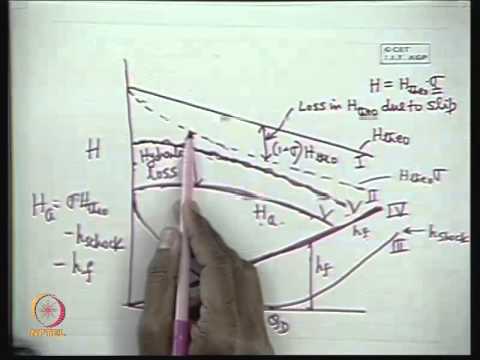
Further learning: pump performance curves
The NPTEL lecture below explains centrifugal-pump characteristics, which help interpret simultaneous flow, head and speed measurements. It is supporting hydraulic education, not a commissioning certificate or instructions for this particular controller.
Pertanyaan yang sering diajukan
Is reaching the pressure setpoint enough to commission a booster?
Tidak. Tekanan harus dievaluasi bersama dengan permintaan, kondisi inlet, dan fungsi kontrol yang dibutuhkan. Sistem yang hampir tertutup dapat mencapai titik setpoint-nya tanpa mengirimkan aliran beban yang ditentukan atau tekanan yang memadai di outlet kritis.
Apakah setiap gangguan harus dibuat secara fisik?
Tidak. Gunakan simulasi yang aman dan telah disetujui untuk sistem kontrol yang terpasang. Jangan sengaja menjalankan pompa dalam kondisi kering atau mengganggu kabel yang bertegangan untuk mendemonstrasikan fungsi proteksi. Catat metode simulasi yang digunakan dan pulihkan semua titik pengujian ke kondisi semula setelahnya.
Can a factory test replace site commissioning?
Pengujian di pabrik mendukung verifikasi kinerja peralatan. Komisioning di lokasi memverifikasi sumber yang telah dipasang, sistem distribusi, antarmuka kontrol, dan urutan pengoperasian. Kontrak menentukan pengujian apa saja yang diwajibkan di setiap lokasi dan siapa yang harus menyaksikannya.
What information belongs beside a pressure reading?
Record the instrument location, inlet pressure, flow, pump identity, speed, demand configuration and time. Without that context, the same pressure value can represent very different operating conditions and cannot form a dependable maintenance baseline.
What should happen when one test fails?
Preserve the readings, identify the affected function, correct the cause and repeat the relevant test. Keep other valid results, document any changed settings, and obtain acceptance of outstanding items before declaring unrestricted handover.