
Before work begins, identify whether the activity is a receiving review, installation check, functional test, periodic inspection, or handover record review. The scope changes the evidence needed.
Jawaban Langsung
Jockey pump testing verifies the pressure-maintenance branch and its control response against the approved project sequence; it does not prove main fire-pump performance. Artikel ini adalah alat bantu peninjauan proyek untuk kontraktor, insinyur, distributor, dan tim pengadaan. Artikel ini tidak menggantikan seorang insinyur, pihak berwenang, rencana pengoperasian, atau dokumentasi terverifikasi dari produsen peralatan.
1. Establish the Review Boundary
Before work begins, identify whether the activity is a receiving review, installation check, functional test, periodic inspection, or handover record review. The scope changes the evidence needed. For a jockey pump, the review package should identify pressure sensing connection, isolation arrangement, controller signal, maintenance duty, test point, and record format. A missing interface should be logged as a project question rather than filled with an assumed value.
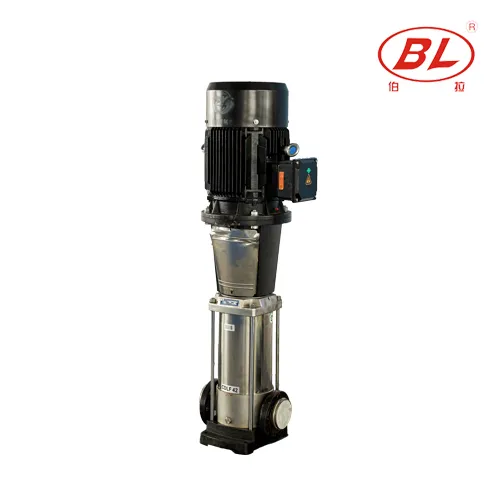
A jockey pump responds to minor pressure loss and maintains system pressure. It is not the main fire-flow pump and must not be evaluated as one. Keep package-supply information distinct from field-installed piping, electrical work, supports, drainage, ventilation, and authority coordination.
2. Start With Controlled Documents
Use the current approved drawing revision and equipment schedule as the reference point. Confirm equipment tags, driver type, controller reference, connection orientation, and the intended test arrangement. Marking up a superseded drawing can create a false pass because connections and responsibilities may have changed after procurement.
| Tinjau item | What the project team confirms |
|---|---|
| Pressure reference | Confirm the sensing point and connecting line agree with the approved system drawing. |
| Control sequence | Review the intended jockey response and the separate main-pump sequence in controller documentation. |
| Test route | Identify safe access to gauges, test points, drains, and isolation devices before a planned test. |
| Catatan | Use the project procedure to define observations, readings, exceptions, and sign-off responsibilities. |
3. Review the Water and Mechanical Path
Trace the water path from the available source through the pump connection and downstream arrangement. The purpose is to locate interfaces and access points, not to declare hydraulic adequacy from a photograph. Check that valve positions, gauges, drains, test connections, and field transitions are identifiable in the project information.

Where an engine-driven package is used, the physical package still has site interfaces. A delivery checklist should distinguish supplied components from items installed by others so that a missing field connection is not mistaken for a missing factory component.
4. Check Driver, Controller, and Utility Interfaces
Review labels, manuals, wiring information, battery or starting provisions, fuel and cooling interfaces, alarms, and access clearances only against the specified package and project documents. Do not state compliance, certification, runtime, or start sequence without verified evidence. Any discrepancy should be routed through the project review process.
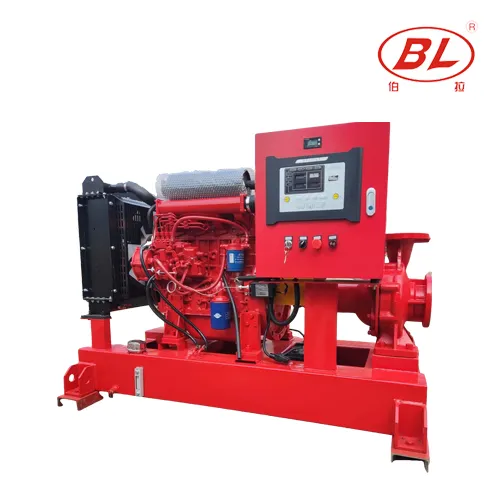
For pressure-maintenance equipment, distinguish the sensing connection and controller response from the main pump controls. For diesel equipment, distinguish engine-support interfaces from the hydraulic pump duty. These boundaries make test observations usable at handover.
5. Plan the Test Before Operating
A useful test plan names the responsible parties, isolation boundaries, communication method, safety controls, observation points, record form, and stop criteria. Verify that the project has defined how water is handled during a test and how the equipment is returned to its required state afterward. Never use a general web article as an operating instruction.
| Before testing | During testing | After testing |
|---|---|---|
| Confirm drawing revision, procedure, access, and roles. | Observe only the documented sequence and record relevant conditions. | Restore the documented configuration and submit exceptions for review. |
| Check safe test and drain path. | Keep unrelated changes outside the test scope. | File records with equipment and drawing references. |
6. Use Procurement Data Carefully
For a replacement, expansion, or new package inquiry, provide the required flow and pressure, water source, driver requirement, controller requirement, electrical data where applicable, connection preferences, destination, documents requested, and applicable project constraints. A product family may be a suitable route only after the duty and interfaces are checked.
Lihat Panduan Pompa Pemadam Kebakaran BORRAPUMP untuk sumber daya terkait, atau hubungi BORRAPUMP dengan data proyek yang dikendalikan untuk diskusi paket.
7. Batas Kesesuaian dan Kepatuhan
This guide does not certify a fire-protection system and does not claim approval to any named standard or local authority. Final selection, installation, testing, and acceptance require the applicable project documents, responsible professionals, authorities, and verified product evidence.
FAQ
Apakah panduan umum dapat menyetujui instalasi pompa kebakaran?
Tidak. Persetujuan dan penerimaan bergantung pada dokumen proyek terkini, persyaratan otoritas yang berlaku, dan bukti peralatan yang telah diverifikasi.
What documents should be available before a test?
Gunakan gambar teknik yang telah disetujui, daftar peralatan, dokumentasi pengontrol, prosedur pengujian proyek, dan formulir pencatatan yang diwajibkan.
Apakah pompa joki adalah pompa aliran kebakaran utama?
Tidak. Fungsinya adalah mempertahankan tekanan untuk mengatasi kehilangan kecil; tugas utama pompa kebakaran ditentukan secara terpisah oleh proyek.
Should setpoints be copied from an online article?
No. Control values and sequences must come from the approved project design and verified controller documentation.
What should be recorded when an exception is found?
Record the observation, drawing or equipment reference, location, responsible review party, and required follow-up under the project process.
Can a supplier package drawing replace the system drawing?
No. A supplier drawing describes package scope; the engineer’s accepted system drawing defines the installation.