
Pump stuffing box bore inspection examines the stationary chamber wall after the packing and other removable parts have been safely removed. Check for corrosion, deposits, localized damage and dimensional change, then compare measurements with the supplied drawing and approved repair limits. Inspect the bore separately from the shaft sleeve, lantern ring and gland follower. Replacing packing alone cannot establish whether the chamber remains suitable for service, and one diameter reading cannot describe an uneven or distorted surface.
This guide is for a centrifugal-pump stuffing box that is designed to be inspected during maintenance. It does not supply a universal bore tolerance, packing size or leakage setting. Confirm the sealing arrangement actually fitted to the pump before applying any inspection or measurement plan.
Define the inspection boundary
The bore is the stationary inside surface surrounding the packing arrangement. Its condition is different from the outside surface of the sleeve, the position of the lantern ring and the geometry of the follower. Each can affect assembly, but they require separate observations and acceptance criteria.
Itu EPRI includes examination of pump stuffing boxes for damage, corrosion and wear. Use that as a reason to examine the component, not as a source of universal dimensions. The actual drawing and approved repair procedure determine the features, datums and limits applicable to the supplied pump.
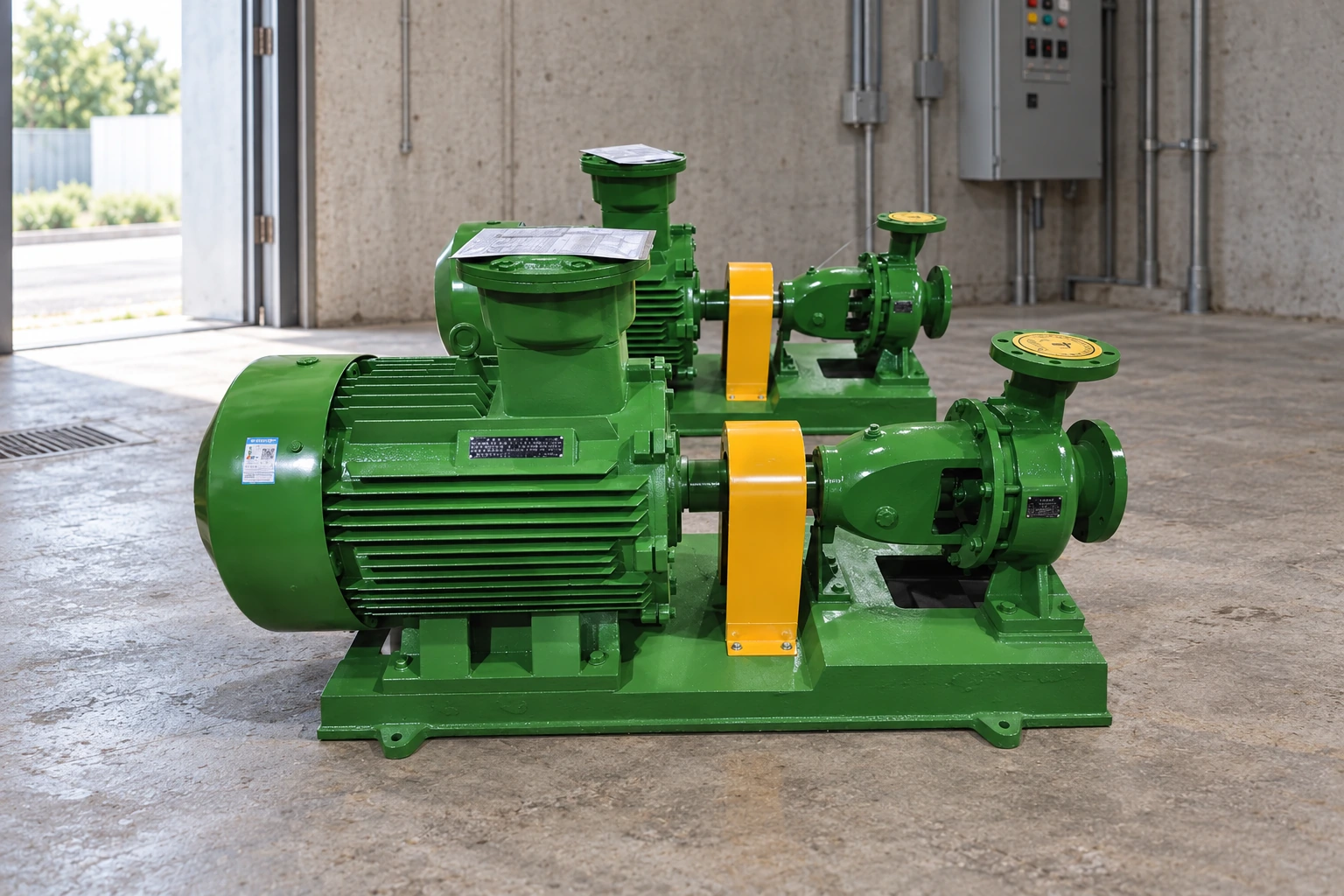
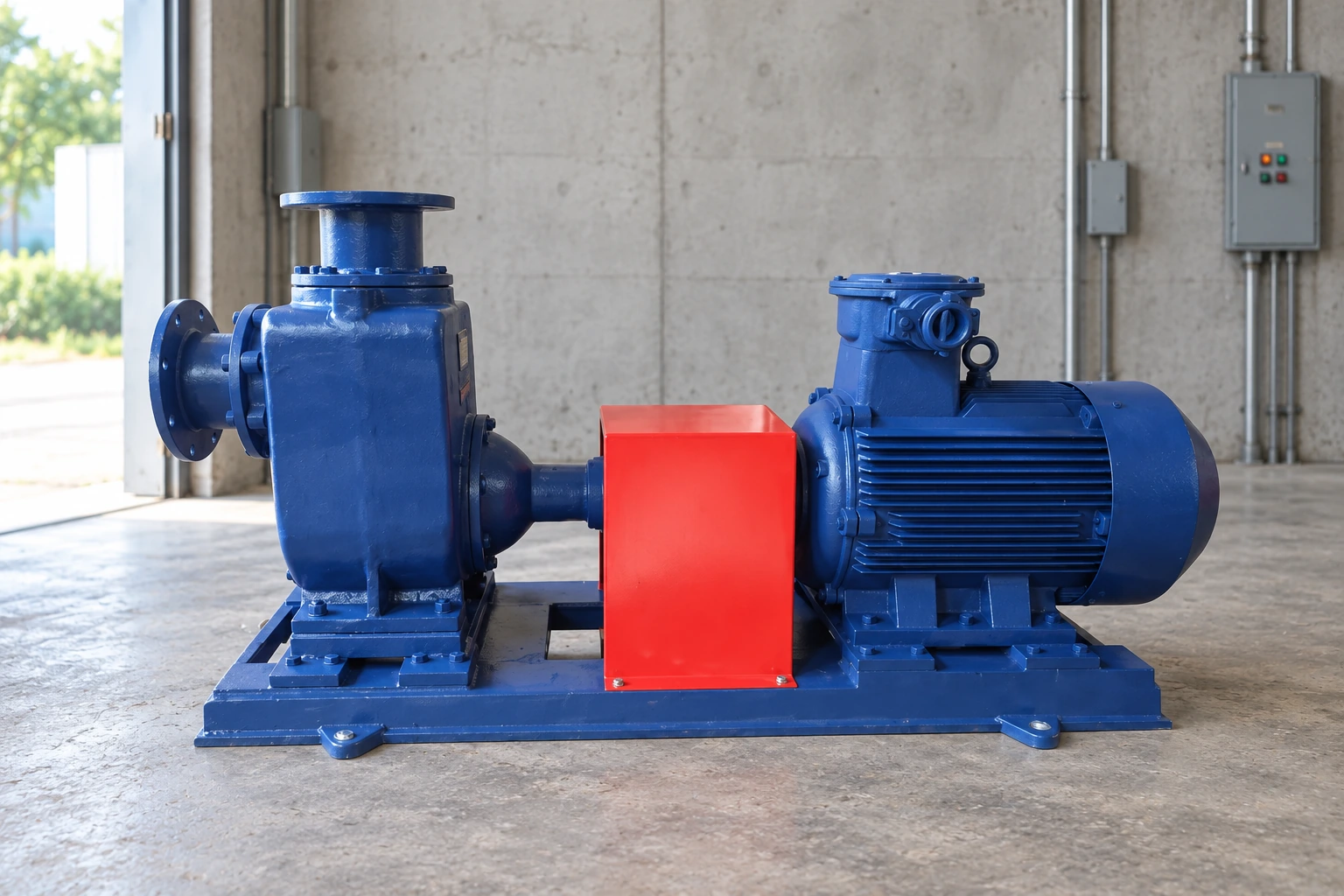
When discussing a Borra IS pompa sentrifugal air bersih, provide the serial number and sealing arrangement. The family listing does not establish that every assembly uses the same packed box or chamber dimensions. A mechanical-seal arrangement may have different features and requires its own inspection scope.
Prepare safe access and preserve the as-found condition
Take the pump out of service under the site’s isolation procedure. Prevent automatic starting and account for process pressure, temperature, trapped liquid and auxiliary connections. The HSE pressure-systems safety guidance provides pressure-hazard context. The site energy-control procedure and the pump instructions establish the isolation and decontamination details.
Before dismantling, record the reason for the work and the operating observations available. Persistent leakage, exhausted follower travel or an earlier assembly difficulty can guide the investigation, but none proves that the bore is damaged. Keep observations factual and distinguish them from the suspected cause.
Photograph the accessible assembly, follower position and relevant connections. Label removed components and preserve their order where this helps reconstruction. Do not scratch the chamber wall with removal tools. If old packing is difficult to extract, use the approved method rather than using the bore as a lever surface.
Clean sufficiently to see the parent surface
Inspect the chamber as found before cleaning away deposits. Record their location, thickness where relevant and whether they obscure ports or steps. Deposits can conceal damage; their presence is not itself a measurement of remaining metal. A photograph before and after cleaning makes the record more useful.
Use a cleaning method compatible with the housing material, remaining seals and site requirements. Protect connected passages and account for cleaning debris. Do not assume a chemical suitable for one metal or process is suitable for another. Aggressive scraping, powered grinding or uncontrolled abrasive cleaning can change the surface you are trying to inspect.
After cleaning, examine the actual wall rather than declaring a deposit-free chamber acceptable. Distinguish residual staining from pits, grooves, raised damage and material loss. If the feature cannot be identified visually, record uncertainty and refer it for a suitable examination. Do not blend away a questionable feature simply to obtain a smoother photograph.
Map wall defects by location
Use a consistent orientation, such as a marked top reference, and describe where each feature lies along the chamber. A defect record should allow another person to find the same location without relying on memory. Include a scale in close photographs and a wider image showing the location in the component.
Check accessible wall surfaces, entry edges, internal steps and openings included in the drawing. Look for corrosion, scoring, localized wear and evidence of previous repair. Note whether a feature crosses a relevant seating area or obstructs an intended passage. Avoid treating every visible casting texture as damage without a reference or competent assessment.
The surrounding assembly matters, but keep the report organized. Record a worn sleeve under the sleeve inspection, not as a bore diameter problem. Use the packing gland follower inspection for the follower’s own geometry and the panduan inspeksi lantern ring for the separate ring and its openings.
Establish a measurement plan before taking readings
Identify the drawing revision, nominal features, reference datums and acceptance requirements. Choose measuring equipment that can reach the required locations and is suitable for the expected tolerance. Record its identification and calibration status. A tool that displays small increments is not automatically accurate enough for the task.
Define axial measurement stations and circumferential directions consistently. Multiple readings can reveal variation that a single reading misses. However, a few diameters do not establish every aspect of roundness or alignment. If the acceptance requirement concerns a geometric characteristic beyond the available method, arrange the appropriate measurement rather than overstating the result.
Record actual readings, their positions and the method used. Do not replace the data with “within tolerance” unless the applicable tolerance is also identified. When temperature, access or surface roughness could affect the result, document the limitation. Repeat questionable readings after checking the setup instead of selecting the most favorable value.
Convert the findings into a repair decision
This table organizes the inspection; it does not replace the supplied limits or authorize machining. Use the approved maintenance process to decide whether the part can return to service.
| Temuan | Bukti yang harus disimpan | Keputusan yang diperlukan |
|---|---|---|
| Deposits conceal the chamber wall | As-found and cleaned photographs with location | Confirm the underlying surface is visible before accepting the inspection |
| Local pit or groove | Location, scale and examination results | Compare with the approved repair criteria and sealing arrangement |
| Diameter varies between stations | Actual readings, positions and instrument details | Determine whether drawing requirements are met using a suitable method |
| cURL Too many subrequests by single Worker invocation. To configure this limit, refer to https://developers.cloudflare.com/workers/wrangler/configuration/#limits | cURL Too many subrequests by single Worker invocation. To configure this limit, refer to https://developers.cloudflare.com/workers/wrangler/configuration/#limits | cURL Too many subrequests by single Worker invocation. To configure this limit, refer to https://developers.cloudflare.com/workers/wrangler/configuration/#limits |
| cURL Too many subrequests by single Worker invocation. To configure this limit, refer to https://developers.cloudflare.com/workers/wrangler/configuration/#limits | cURL Too many subrequests by single Worker invocation. To configure this limit, refer to https://developers.cloudflare.com/workers/wrangler/configuration/#limits | cURL Too many subrequests by single Worker invocation. To configure this limit, refer to https://developers.cloudflare.com/workers/wrangler/configuration/#limits |
cURL Too many subrequests by single Worker invocation. To configure this limit, refer to https://developers.cloudflare.com/workers/wrangler/configuration/#limits.
cURL Too many subrequests by single Worker invocation. To configure this limit, refer to https://developers.cloudflare.com/workers/wrangler/configuration/#limits
cURL Too many subrequests by single Worker invocation. To configure this limit, refer to https://developers.cloudflare.com/workers/wrangler/configuration/#limits.
Review whether the follower can move and seat as intended, and whether the lantern-ring arrangement matches the drawing. Do not infer the correct ring position from an old stain or a previous assembly alone. The previous installation may itself have been incorrect. Use traceable assembly information to resolve the configuration.
If the existing seal arrangement is being reconsidered, the perbandingan segel mekanis versus packing gland explains the broader choice. A bore inspection does not by itself authorize conversion between the two systems. Conversion requires a separate assessment of the chamber, operating conditions and selected sealing equipment.
Reassemble and verify the result
Before assembly, account for removed packing, cleaning tools and temporary protection. Confirm that the chamber, relevant passages and mating components have been released for service. Use the specified packing, component arrangement and assembly procedure. Keep lubricant or assembly compounds limited to those approved for the application.
Record the final configuration and any approved repair. Restore connections, guards and energy controls under the site procedure. At restart, observe the sealing arrangement from a safe position and apply the supplied adjustment and monitoring instructions. Do not import a generic drops-per-minute target from another pump or fluid service.
The inspection closes when the wall condition and dimensions have a documented disposition and the restored assembly has an appropriate operating check. If leakage persists, retain the bore evidence and investigate the wider system. Repeatedly tightening the follower does not substitute for understanding an unresolved component or operating problem.
Prepare a useful technical inquiry
Send the supplier the equipment identity, drawing revision, chamber photographs, measurement map and actual readings. Identify which component is being discussed: stuffing-box housing, follower, sleeve or lantern ring. This prevents a request for a “packing repair” from being interpreted as an order for packing alone.
Ask for the applicable drawing limits and approved repair options. State the pumped liquid and operating conditions when requesting material or seal advice, but do not assume a standard product listing confirms compatibility. Keep the written response with the inspection file and record who approved any deviation before work begins.
Pembelajaran lebih lanjut: batas dan kecocokan
The accompanying NPTEL lesson explains the language of limits, fits and tolerances. It supports understanding of drawing-based inspection; it does not provide the acceptance dimensions for a particular stuffing box. Use the supplied component drawing to turn that background into a valid measurement plan.
Pertanyaan yang sering diajukan
Can the bore be accepted after a single diameter reading?
A single reading cannot describe variation around and along a worn chamber. Use a measurement plan matched to the drawing requirements, and avoid claiming roundness or alignment from measurements that do not establish those characteristics.
Does repacking repair a corroded stuffing box?
Repacking replaces the sealing material. It does not restore missing housing material or demonstrate acceptable geometry. Inspect the cleaned wall and obtain a repair decision where corrosion or damage is present.
Can I use thicker packing when the chamber is worn?
Do not use packing size as a substitute for an approved dimensional repair. Confirm the actual arrangement and drawing requirements, then assess the chamber, sleeve and follower together before selecting replacement parts.
Is the follower inspection the same as bore inspection?
No. The follower is a separate component with its own dimensions and condition. The chamber wall, sleeve and lantern ring also need distinct observations so the report identifies the real location of each defect.
What if the original drawing is unavailable?
Preserve photographs and measured findings, identify the equipment and request the applicable information from the supplier or responsible engineer. Do not invent a tolerance or authorize machining solely from a generic online guide.