
A macerator pump uses a cutting or macerating mechanism to reduce soft waste before moving it through a discharge line. The term appears in RV, marine, small plumbing, and some wastewater applications, but it does not describe one universal pump construction or solids capability. A macerator is not automatically the same as a sewage grinder pump, nor is it a substitute for correct drainage design. Select from the actual waste stream, permitted solids, flow, total head, pipe, duty cycle, materials, controls, access, and local discharge requirements.
Artikel ini adalah panduan praktis diagnosis dan pengadaan, bukan pengganti petunjuk produsen pompa, desain sistem yang disetujui, peraturan kelistrikan dan pemipaan yang berlaku, atau servis lapangan yang berkualifikasi. Isolasi energi dan tekanan sebelum membuka peralatan. Pekerjaan sumur, pengangkatan, ruang terbatas, air limbah, lokasi kelistrikan basah, dan pengujian bertegangan memerlukan personel yang kompeten dan kendali khusus tugas.
Understand the cutting-and-pumping sequence
Waste enters a chamber or inlet where rotating cutting elements reduce suitable soft solids before the pump moves the mixture onward. Exact mechanisms, clearances, screens, and hydraulics vary. The cutter does not make every object pumpable. Wipes, fibrous cloth, metal, stones, hygiene products, grease, and hard debris can jam, wrap, damage, or overload the unit. Review the manufacturer's allowed media and passage data. Upstream user guidance and screening are part of reliability; a stronger motor is not a solution to inappropriate waste.
Distinguish macerator, grinder, and sewage pumps
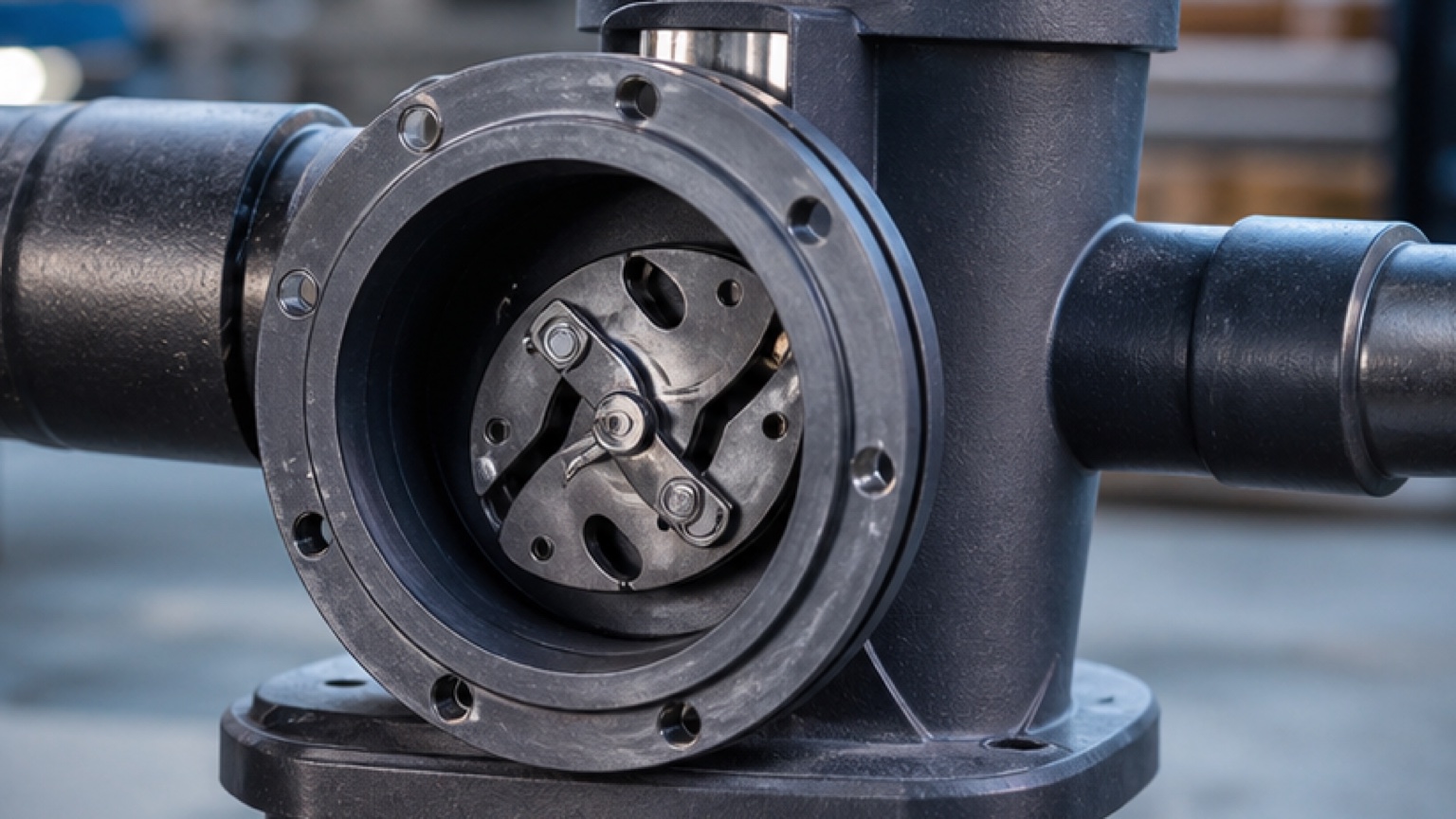
A conventional sewage pump may pass solids through a vortex or channel without deliberately cutting them. A grinder pump typically reduces sewage solids for a pressurized sewer arrangement and is selected with the system designer's requirements. A macerator may be a smaller transfer or plumbing device with different duty and discharge assumptions. Marketing language overlaps, so compare section drawings, allowed solids, continuous or intermittent duty, curve, shutoff behavior, motor cooling, and approved application. Never infer capability from the word macerator alone.
Calculate flow and total dynamic head
Determine the volume to transfer, required emptying time, static lift, discharge pressure, and friction through the real inside diameter, hose, fittings, valves, and any treatment or receiving connection. Small tubing can create significant loss. Plot the duty on the curve and review the whole operating range. Positive-displacement and centrifugal macerating designs respond differently to a blocked discharge, so the approved pressure relief or protection must match the design. Confirm that the destination can receive the peak flow and macerated waste.
Tabel keputusan
| Pump label | Main action | Selection caution |
|---|---|---|
| Macerator pump | Cuts suitable soft waste and transfers slurry | Allowed materials and duty vary widely |
| Grinder pump | Reduces sewage solids for designed pressure service | Must match the sewer-system design |
| Sewage pump | Passes specified solids without necessarily cutting | Check passage and impeller type |
| Sump/drainage pump | Moves drainage water | Not automatically suitable for sewage |
Check liquid, materials, and duty cycle
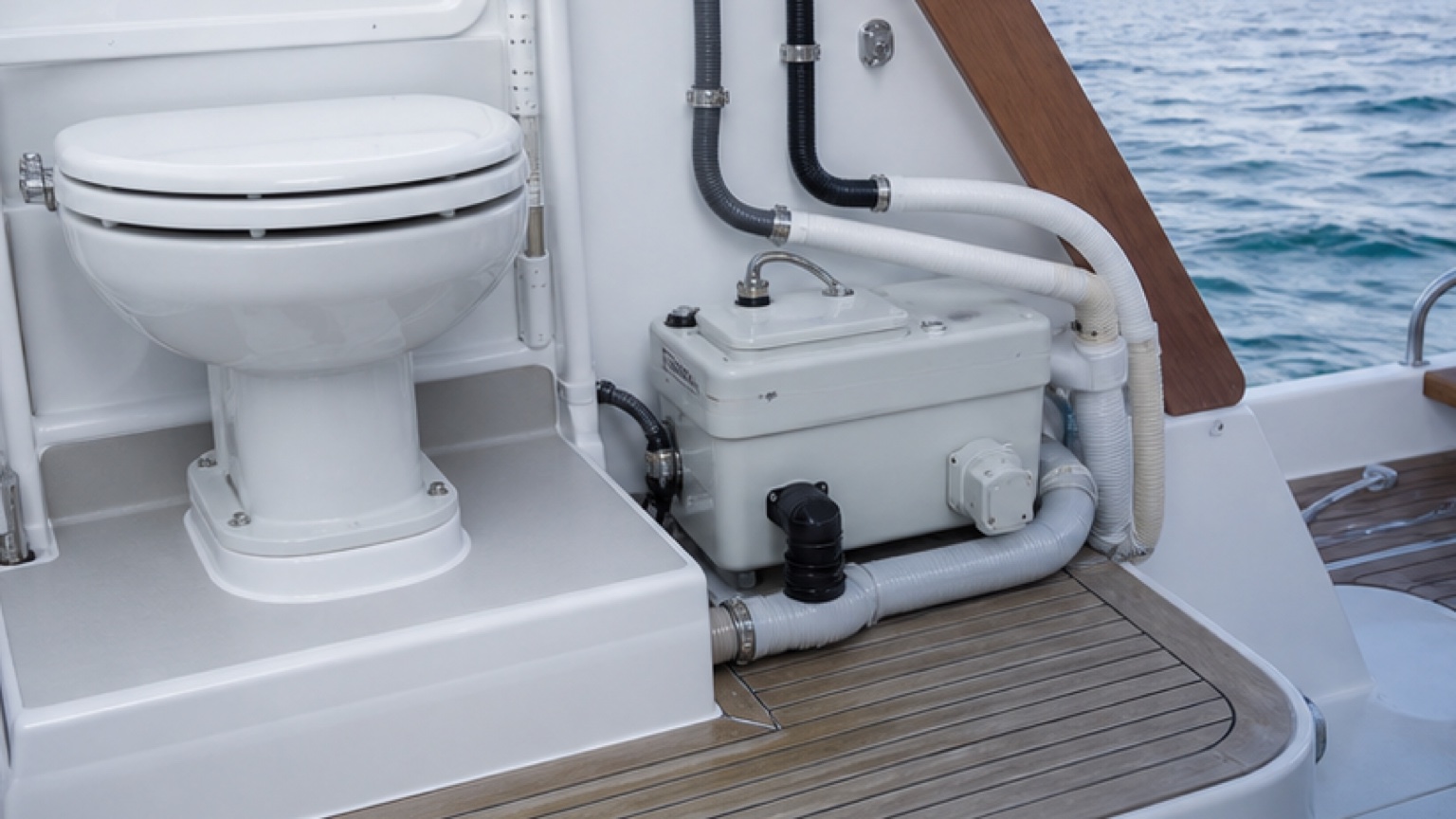
List solids type and size, fibers, grit, grease, chemicals, cleaners, temperature, pH, salinity where relevant, and upset conditions. Confirm wetted materials, elastomers, cutter material, shaft, seal, fasteners, cable, and enclosure. Many compact macerators are intermittent-duty devices and depend on liquid for cooling; exceeding runtime or running dry can cause rapid damage. State expected starts, duration, daily volume, and standby periods. In marine and RV systems, power supply, hose sanitation, winterization, and discharge legality also need explicit review.
Design for blockage removal and hygiene
Provide isolation, drain or flush arrangements, safe access, lifting or removal clearance, and a method to contain contaminated liquid. The operator should not need to dismantle a pressurized or energized unit to clear a routine blockage. Define personal protection, cleaning, disinfection, waste handling, and confined-space boundaries. Check valves and isolation valves must suit solids and remain accessible. If the system connects to a building sewer, tank, vessel, or public network, prevent backflow and follow the approved plumbing and environmental arrangement.
Commission controls and protection
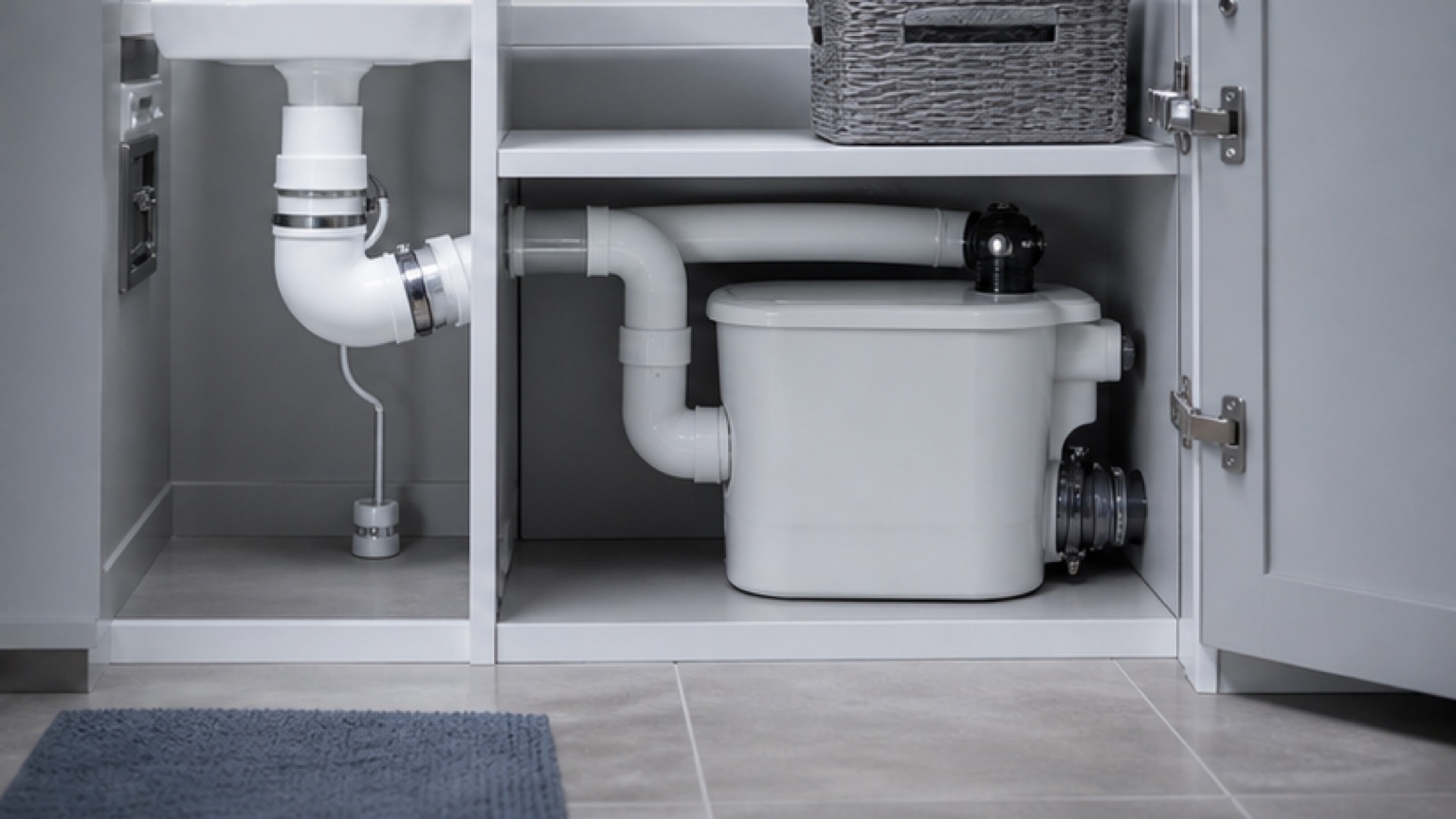
Verify rotation where applicable, valve lineup, cutter freedom under the approved procedure, level or demand controls, overload, dry-run or thermal protection, alarm, leakage, discharge, current, noise, and vibration. Test with the permitted medium or approved commissioning method; do not introduce inappropriate solids as a demonstration. Record drawdown or transfer time and the condition of the discharge. Train users on prohibited materials and the response to a jam. Keep spares for wear items identified by the manufacturer, not an improvised collection of generic blades and seals.
System selection, evidence, and procurement record
Pompa bah atau air limbah bekerja sebagai bagian dari sistem pengumpulan. Tinjau jalur alur masuk, volume basin, elevasi pompa mati, pompa hidup, dan tingkat tinggi, pipa pembuangan, katup periksa, katup isolasi, lokasi keluaran, pasokan listrik, alarm, susunan cadangan, dan rute pelepasan yang aman secara bersamaan. Pompa harus sesuai dengan cairan dan padatan aktual; pompa bah air jernih, ejektor limbah, dan pompa maserasi bukanlah sebutan yang dapat saling menggantikan. Konfirmasikan apakah motor bergantung pada cairan di sekitarnya untuk pendinginan dan apakah kontrol mempertahankan tingkat rendam minimum sekaligus menghindari siklus cepat.
Kondisi lokasi mengubah jawaban. Curah hujan, air tanah, sambungan saluran pembuangan, okupansi bangunan, hambatan di hilir, saluran keluar yang membeku atau tersumbat, pemadaman listrik, dan aturan pembuangan lokal semuanya dapat mendominasi kinerja. Inspeksi yang berguna mencatat waktu operasional, jumlah penyalaan, waktu penurunan muka air, perkiraan aliran masuk, perilaku pembuangan, penutupan katup, pergerakan pengontrol ketinggian air, fungsi alarm, kebisingan, getaran, kebocoran, korosi, kondisi kabel, dan serpihan. Jangan bekerja di dalam bak yang basah, ruang terbatas, atau panel yang dialiri listrik tanpa personel dan prosedur berkualifikasi yang disyaratkan oleh lokasi tersebut.
Untuk penggantian atau pemasangan baru, kirimkan kepada pemasok deskripsi cairan, padatan terbesar yang diharapkan, aliran masuk normal dan darurat, total head dinamis, gambar bak, pengaturan level, jalur pipa, voltase dan fasa, siklus kerja, persyaratan alarm dan cadangan, lingkungan pemasangan, batas akses, tujuan, dan persetujuan yang diperlukan. Minta ruang lingkup yang lengkap termasuk pompa, susunan pemandu atau pengangkat, fitting pelepasan, katup, kontrol, sensor, kabel, perlindungan, dokumen uji, suku cadang, dan dukungan pengoperasian. Simpan kurva yang disetujui dan pembacaan awal bersama catatan pemeliharaan. Pompa yang berjalan belum sepenuhnya diterima sampai kontrol level, alarm, respons siaga, katup periksa, jalur pelepasan, dan pelepasan yang aman juga telah didemonstrasikan.
How this topic connects to BORRAPUMP equipment
This guide supports early review of what is a macerator pump applications. It does not assign a final model. Send the liquid, flow range, total head, source and destination levels, solids, duty cycle, power, controls, site conditions, quantity, destination, and required approvals so equipment can be checked against the real service.
Related BORRAPUMP engineering guides
Authoritative sources and further learning
U.S. EPA septic systems; OSHA sanitation; Pengendalian energi berbahaya OSHA. These sources provide general engineering, water, environmental, or safety context; current local rules, approved designs, and equipment instructions remain controlling.
Educational video by Practical Engineering: Apakah Pompa Menghasilkan Tekanan atau Aliran?.
Pertanyaan yang sering diajukan
Is a macerator pump the same as a grinder pump?
Not necessarily. Designs, duty, solids capability, pressure, and system roles differ.
Can it handle wipes?
Do not assume so. Follow the exact manufacturer list of permitted materials.
Can a macerator pump run continuously?
Only if the specific model and installation are approved for that duty and cooling condition.
Why is the discharge pipe small?
Some systems move processed waste through smaller lines, but friction and blockage risk must be calculated.
Final checkpoint
Before changing equipment or settings, reconcile the actual duty and site conditions with the approved curve, drawings, materials, power, controls, protection, installation, testing, and maintenance access. Record remaining assumptions and assign responsibility for closing them. Preserve the final readings and documents as the baseline for future inspection.
A useful handover also states what was not tested, which assumptions still depend on site confirmation, and when the next inspection is due. Identify the person responsible for water-level, pressure, flow, electrical, alarm, and maintenance records. Keep photographs and instrument details with the results. If a later reading is taken at a different valve position, source level, speed, pressure setting, or demand, label that difference before comparing trends. This simple discipline prevents a normal operating change from being mistaken for damage and prevents real deterioration from being dismissed as normal variation. When safety, sanitation, water supply, or property damage is at stake, define the temporary protection and escalation route before returning the system to unattended service.
Use the first verified operating record as a baseline, then compare future checks under the closest practical conditions. Note weather, liquid level, demand, valve positions, speed, filter condition, and any temporary hose or bypass. Confirm that gauges and meters have an appropriate range and that readings are taken from the same locations. A change in one number should trigger a review of connected evidence rather than an immediate part replacement. If the pump, motor, control, tank, valve, pipe, or source is changed, update the drawing and selection record. This keeps maintenance decisions tied to the real system and gives suppliers enough context to evaluate a warranty question, replacement, or operating adjustment without starting the investigation from zero.