
A search for a 3HP 220V water booster pump price usually signals a request for a fast commercial reference. For a project buyer, the useful next step is not a public number: it is a written enquiry that makes the equipment boundary, electrical records, application details, and unknowns visible.
- FAQs
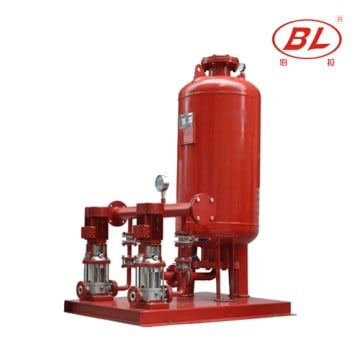
Part 1. Read the query as a scope request
The phrase “3HP 220V water booster pump price” does not describe one universal product. Search results can place an individual pump, a package, accessories, delivery assumptions, or a replacement-only offer beside each other. Treat the phrase as a request to define scope before comparing offers.
Start by stating what the buyer wants priced. Is the request for equipment only, a documented package boundary, or a broader project response? If that distinction is not written down, two figures may look comparable while covering different things.
Part 2. Separate a listing from a quotation
A public listing can help identify the words buyers use, but it cannot confirm the commercial or technical boundaries of a project. It may omit the documents, interfaces, tests, accessories, or service assumptions that a project team needs to discuss.
Important: A public listing cannot establish electrical suitability, approval, or final fit. The NEMA standards overview is a reminder that motor and electrical terminology must be checked against applicable documentation, not inferred from a web label.
Use a listing as a prompt for questions: What is included? Which document defines the request? What is excluded? What remains for project review? The answers belong in the RFQ, not in a generic article.
Part 3. Compare equipment, package, and project boundaries
Before comparing any response, place it in one of three written boundaries. The table is a review tool, not a promise about what BORRAPUMP supplies.
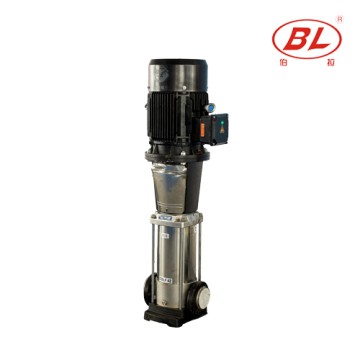
| Boundary | What the buyer should identify | What remains unproven |
|---|---|---|
| Equipment | The named item and supplied documentation | Application fit and supplied scope |
| Package | Included components and stated interfaces | Project completeness and approval |
| Project response | Documents, responsibilities, and commercial basis | Final result until reviewed and agreed |
The existing Booster Pump Price Guide provides a broader price-scope discussion. This page stays narrower: it helps organize a request that contains the “3HP” and “220V” search terms without claiming that either field completes the selection.
Part 4. Treat 3 HP and 220V as document fields
Record “3 HP” and “220V” exactly as they appear in the buyer’s documents. Then attach the electrical and application records that explain those labels. Do not turn a search term into a compatibility statement, a wiring instruction, or a performance conclusion.
Этот U.S. Department of Energy motor systems resource provides general motor-system context, but it does not validate a particular booster-pump request. A responsible comparison needs the project’s own records and the applicable review process.
Part 5. Build an RFQ that can be compared
A concise RFQ reduces the chance that a supplier guesses at the missing boundary. Include the items below even when some fields are marked “to be confirmed.”
Buyer should provide
| RFQ input | Why it belongs with the enquiry |
|---|---|
| Requested equipment or package boundary | Makes the commercial request comparable |
| Drawing, schedule, or document revision | Identifies the project record being discussed |
| 3 HP and 220V source record | Preserves the buyer’s stated information without assuming compatibility |
| Application and fluid description | Frames the intended use without declaring fit |
| Required duty information, if documented | Distinguishes supplied data from estimates |
| Controls, connections, and site records if available | Exposes missing interfaces for clarification |
| Commercial destination and requested response format | Lets the supplier state the offer boundary clearly |
This table is a fit boundary as well as a quotation aid. It is not suitable for buyers who need an immediate, undocumented final selection.
Part 6. Use product pages as an enquiry route
Этот CDLF Vertical Multistage Jockey Pump page is a product-family route for a documented conversation. It does not verify that the page’s equipment is 3 HP, 220V, priced for a buyer, or suitable for the requested application.
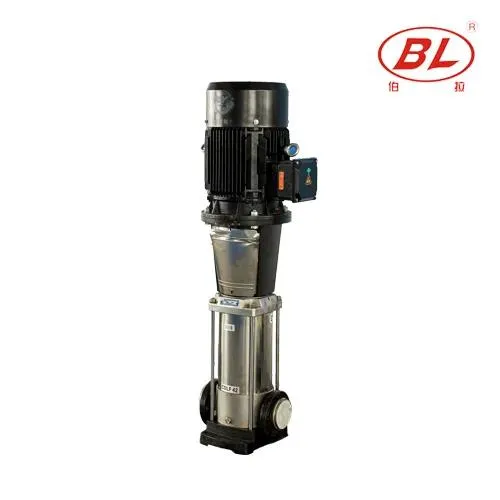
For a fuller installation-scope boundary, see Booster Pump Installation Cost. Then send documented RFQ inputs so the supplier can identify the missing information before a commercial comparison is made.
Part 7. Keep open questions in the commercial record
Leave unknowns visible. Examples include package contents, duty information, electrical documents, controls, site interfaces, commercial terms, and project review requirements. A written open-item list is more reliable than a price comparison built from unmatched listings.
That approach gives the buyer a clear handoff: compare only responses that state their boundary, and ask for clarification where the project record remains incomplete.
FAQs
Does this page publish a 3HP 220V booster pump price?
No. It explains how to prepare a comparable enquiry without publishing a price, range, availability, or commercial promise.
Is a public pump listing the same as a project quotation?
No. A listing may describe a different equipment boundary, package scope, document set, or commercial basis than a project response.
Does “220V” prove electrical compatibility?
No. It is a document field that must be reviewed with the relevant electrical and project records.
Does “3 HP” determine the correct booster pump?
No. A power label alone does not verify the application, duty, controls, interfaces, or final fit.
What should a buyer send with an RFQ?
Send the requested scope, current document revision, source record for stated electrical fields, application description, documented duty information, available interfaces, and required commercial response format.
Why is a product page linked if it does not confirm a selection?
It provides a product-family enquiry route. The final question still requires documented project information and supplier confirmation.