
A diesel fire pump fuel-tank request should identify the engine-driven package, project documents, site interfaces, and responsible approval path before a generic tank detail is treated as a final design. It is a controlled inquiry record, not a tank-sizing method, installation instruction, or compliance statement.
Part 1. What Should the Request Establish First?
A fuel-tank request becomes reviewable when it identifies the engine-driven pump package, the drawing revision, the project location, and the party responsible for the final design decision. A tank image or a broad product family name does not supply that connection.
The first record should say what is known and what is still open. This approach keeps a supplier inquiry from silently becoming a design assumption. The BORRAPUMP Fire Pump topic page provides related product context, while the responsible project documents define the actual system.
| Starting record | Why it belongs first | Не делайте выводов |
|---|---|---|
| Pump package identity | Links the request to an engine-driven package | Fuel demand or approved arrangement |
| Ревизия чертежа | Establishes which layout is being reviewed | A final installation from an old sketch |
| Site and facility context | Identifies where project interfaces must be checked | Local acceptance conditions |
| Responsible review path | Keeps technical and approval roles visible | Supplier authority over the project |
Part 2. Which Documents Control the Answer?
Project documents, adopted requirements, product documents, and the facility’s responsible review process do different jobs. Keeping them separate is more useful than copying a general rule from a public article into an inquiry.
OSHA flammable-liquid rules и EPA spill-prevention information describe regulatory contexts whose application depends on the facility and jurisdiction. They are context sources, not proof that a particular tank, package, or site is approved.
| Document family | Question it answers | Граница |
|---|---|---|
| Project drawings and specifications | What the project asks the team to evaluate | Must be current and project-specific |
| Adopted code and authority records | Which requirements apply to the site | Do not assume an edition or approval |
| Engine and package documents | What the offered equipment actually includes | Do not extend a family description |
| Facility safety records | Which site controls affect fuel handling | Do not replace them with a blog checklist |
Важно: Do not use a public article, generic diagram, or supplier image as evidence that a fuel tank is certified, approved, compliant, sized, located, vented, or accepted for a project. The applicable project and authority records control that decision. (OSHA flammable liquids standard)
Part 3. Which Interfaces Need to Be Named?
Before comparing alternatives, make the physical and administrative interfaces explicit. Search results for fuel-tank requirements repeatedly surface location, fill, vent, fuel supply, and containment questions; each is a prompt to identify the project record that answers it.
| Interface to record | What to attach or identify | Why the distinction matters |
|---|---|---|
| Engine and pump package | Offered package document and configuration reference | Keeps the inquiry tied to actual equipment |
| Tank relationship | Drawing reference and scope ownership | Prevents an implied supplied-tank assumption |
| Fill and vent interfaces | Project discipline and drawing reference | Avoids inventing routing or hardware |
| Fuel connection scope | Responsibility boundary and connection point | Makes exclusions visible |
| Site safeguards | Facility review contact and applicable record | Keeps site obligations with the responsible team |
For a broader layout discussion, see Как читать схему дизельного пожарного насоса?. That article is also a review aid, not a fuel-system design package.
Part 4. Why Is a Generic Tank Detail Not Enough?
Two projects can use similar-looking engine-driven pump packages while relying on different documents, site conditions, fuel-system scopes, and acceptance paths. A generic detail therefore has value only as a conversation aid: it helps a team mark information that is missing.
Treat four common shortcuts as warning signs. A capacity number without an approved project basis is not a selection. A placement statement without the applicable site record is not an installation instruction. A product photograph does not define piping, venting, containment, or responsibility. A supplier quotation cannot replace review by the parties who own the facility and project requirements.
| Shortcut | What it leaves unresolved | Better action |
|---|---|---|
| Copying a capacity calculation | Engine, duty basis, adopted documents, and scope | Attach the governing calculation or specification |
| Naming a tank location | Site constraints and responsible approvals | Reference the current drawing and reviewer |
| Calling a package complete | Included versus excluded fuel-system items | Ask for an itemized scope statement |
| Treating a web result as approval | Jurisdiction, edition, and facility conditions | Confirm with the responsible project path |
The related Diesel Fire Pump Inspection record guide can help distinguish an observable record from an engineering or approval conclusion.
Part 5. What Should the Inquiry Record Contain?
An inquiry record should let every reviewer see the same unknowns. It is not a request to guess a final arrangement from a keyword. Use a controlled attachment list and state which party owns each missing input.
| Quote record | Почему это важно | Отправить с цитатой |
|---|---|---|
| Pump and engine reference | Identifies the intended equipment discussion | Package identity and available product documents |
| Current project basis | Ties the request to a live scope | Drawing revision and specification references |
| Fuel-system boundary | Separates supplied and project-owned work | Scope matrix and named interfaces |
| Site review contact | Gives questions an accountable destination | Facility and project reviewer details |
| Commercial request | Keeps the response comparable | Quantity, destination, required documents, and timing request |
Do not add performance, duration, tank size, certification, or approval language unless it comes from a verified project document. A useful quote response can identify open questions rather than hide them.
Part 6. How Should a Pump Package Be Discussed?
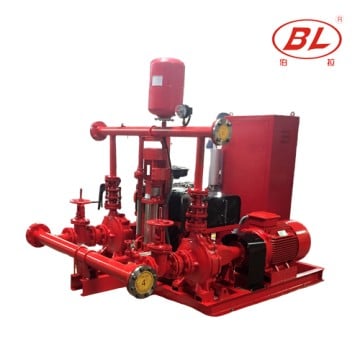
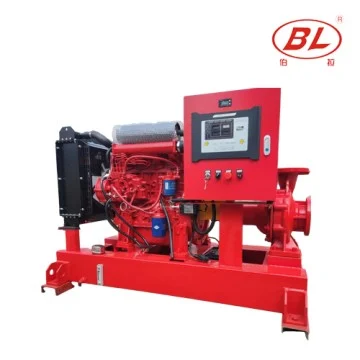
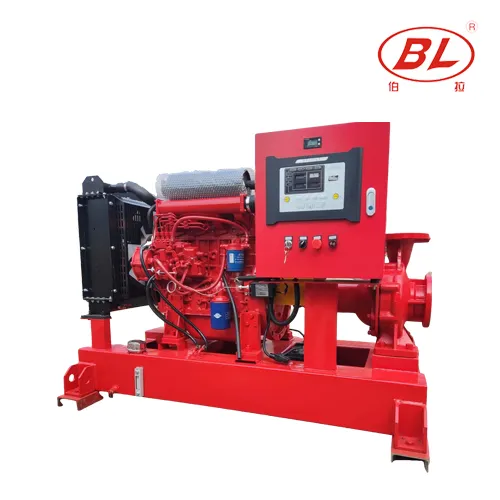
Use the product pages as a route to begin a documented package discussion, not as evidence of a completed fuel-system design. The Интегрированная насосная установка пожаротушения EDJ и Дизельная пожарная насосная установка XBC pages can help identify the family to be discussed after the project record is assembled.
| Discussion route | Appropriate use | Not an appropriate use |
|---|---|---|
| EDJ package inquiry | Identify package documentation needed for review | Assume a tank scope or approval |
| XBC diesel package inquiry | Ask which equipment documents are available | State a final layout or capacity |
| Project contact review | Share controlled records and open questions | Delegate authority decisions to a supplier |
This is the fit boundary: it suits buyers preparing a documented inquiry. It does not suit a field team seeking a construction instruction, a capacity calculation, or an acceptance conclusion.
Part 7. How Should the Review Be Handed Off?
The cleanest handoff labels each attachment, identifies unresolved items, and names the next responsible reviewer. This prevents a commercial exchange from masking a site or approval decision.
Использовать contact the BORRAPUMP team after assembling the controlled record. Include the package identity, drawing and specification references, interface scope, site review contact, quantity, destination, and the documents requested with the offer. Keep any final fuel-system decision with the responsible project and facility process.
Часто задаваемые вопросы
What is the first item to confirm in a diesel fire pump fuel-tank request?
Confirm the actual engine-driven pump package and the current project document set. A generic fire-pump image or family name does not establish the fuel-system scope.
Can this page calculate diesel fire pump fuel-tank capacity?
No. Capacity must come from the applicable project basis, equipment documents, and responsible review path. This guide only organizes the information needed for that review.
Which documents should control a fuel-system request?
Use the current project drawings and specifications, applicable authority records, equipment documents, and facility safety records. A public web page does not certify, approve, or establish compliance for a product, tank, or project.
What should be attached to a supplier inquiry?
Attach the package reference, current drawing and specification references, fuel-system scope boundary, site reviewer contact, quantity, destination, and document request. State any unresolved item instead of assuming it.
Can a supplier decide tank placement or containment for the project?
No. Those items depend on the project, facility, adopted requirements, and responsible approval process. A supplier can discuss available package documents after the project inputs are clear.
Is a generic fuel-tank detail enough for a final design?
No. It can help identify missing questions, but final decisions need the current project basis, defined scope, equipment documents, and responsible review process.