
A centrifugal transfer pump moves water, not air. If the casing and suction line hold air when the pump starts, the impeller spins without delivering, and in many designs the pump can damage itself while appearing to run.
Прямой ответ
To prime a water transfer pump, confirm the priming concept the manual states for your model, prepare the suction side, fill where the manufacturer requires, and start only per the documented sequence; the manual, not this article, is the operating instruction. Эта статья представляет собой пособие по обзору проектов для подрядчиков, инженеров, дистрибьюторов и групп закупок. Она не заменяет инженера, компетентный орган, план пусконаладочных работ или проверенную документацию производителя оборудования.
1. Why Priming Matters at Startup
A centrifugal transfer pump moves water, not air. If the casing and suction line hold air when the pump starts, the impeller spins without delivering, and in many designs the pump can damage itself while appearing to run. Priming is the act of replacing that air with water so the pump can begin work. It is a startup condition, not a one-time commissioning event: any installation that loses its water can need priming again.
This article gives a review-level sequence a crew can hold against the manufacturer manual. Where anything here differs from the manual for your model, the manual wins.
2. Confirm the Priming Concept First
Different installations reach a primed state differently, and the first mistake is applying the wrong concept.
| Installation concept | How priming is achieved | What to confirm in the manual |
|---|---|---|
| Flooded suction | The source sits above the pump and fills it by gravity once valves open. | The venting steps the design expects before starting. |
| Surface pump with lift, manual fill | The casing and suction line are filled through the fill point before starting. | Fill location, venting, and any foot-valve dependence. |
| Self-priming type | The pump re-establishes prime using liquid retained in the casing, within stated limits. | The initial fill requirement and the stated lift conditions. |
| Submersible | The pump operates submerged and does not take suction from above. | Submergence and level-control requirements instead of priming steps. |
3. Pre-Fill Checks Before Adding Water
Before filling anything, walk the suction side: joints tight, gaskets present, hose or pipe undamaged and routed without high points that trap air, strainer fitted and clear, source level where the design expects it, and valves in the lineup the manual describes. Confirm the drive is isolated while hands are on the equipment, following the site’s own safety procedures. Most failed prime attempts trace back to this list, not to the pump.
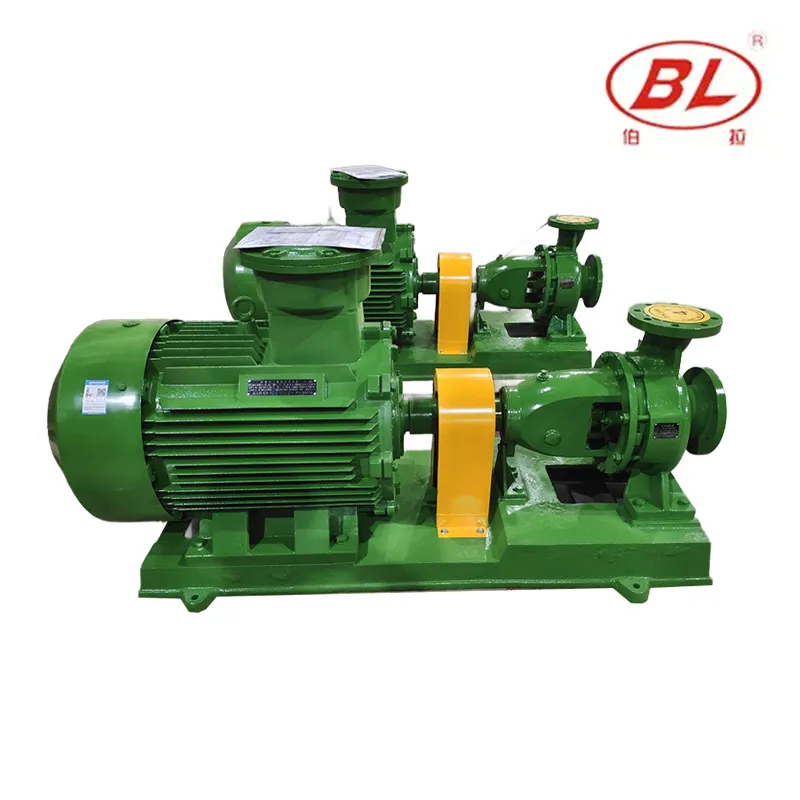
Record the as-found condition if this is a first startup or a return to service; the note becomes the baseline for the next visit.
4. A Generic Sequence to Review Against the Manual
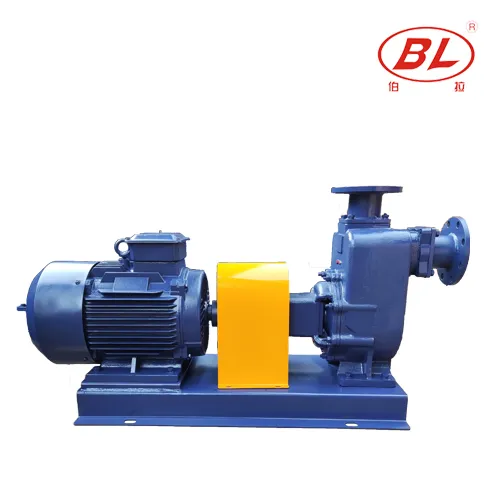
With the concept confirmed and the suction side checked, a typical manual-fill sequence looks like this, and each step must be verified against your model’s documentation:
- Set the valve lineup the manual states for filling.
- Fill at the location the manual identifies until it indicates the casing and required line sections are full.
- Vent trapped air where the design provides venting, then close the fill and vent points.
- Restore the starting lineup, start per the documented procedure, and observe delivery.
- If delivery does not establish in the time the manual indicates, stop and investigate rather than letting the pump run dry.
5. Verification and Common Symptoms as Questions
After startup, verify rather than assume, and treat symptoms as review questions with records attached.
| Симптом | Вопрос для обзора |
|---|---|
| No delivery after starting | Was the casing actually full, and is the suction lineup and source level as the design expects? |
| Delivery establishes then fades | Is air entering at a joint, or is the strainer or source starving the line? |
| Repeated loss of prime between runs | Is retained liquid escaping, and does the end arrangement match the design? |
| Unusual noise or vibration on starting | Stop per procedure; hold observations against the manual before restarting. |
6. Records and Repeat-Startup Planning
Sites that prime the same pump often should write their own one-page startup card from the manual: the fill point, the venting points, the valve lineup, the observation that confirms prime, and the stop criteria. Keep the card with the pump, revise it when the manual or installation changes, and file each startup with date, operator, and anything unusual. That record turns priming from tribal knowledge into a repeatable procedure.
Смотрите Руководство по насосу для перекачки воды BORRAPUMP для связанных ресурсов или связаться с BORRAPUMP с контролированными данными проекта для обсуждения пакета.
7. Граница соответствия и применимости
Эта статья не сертифицирует систему, не определяет размеры оборудования и не претендует на соответствие какому-либо указанному стандарту, перечню или местному органу власти. Она является вспомогательным материалом для ознакомления. Окончательный выбор, монтаж, испытания и приемка требуют использования актуальной проектной документации, ответственных специалистов, применимых инстанций и проверенных данных производителя для конкретного поставляемого оборудования.
Часто задаваемые вопросы
Do all water transfer pumps need manual priming?
No. Flooded-suction and submersible installations reach working condition differently, and self-priming types re-establish prime within stated limits after an initial fill. The manual states which applies.
Can a transfer pump run briefly without water?
Treat dry running as prohibited unless the manufacturer documentation for your model explicitly says otherwise. Many designs are damaged quickly without liquid.
How long should priming take?
The manual for your model indicates expected behavior. What matters on site is recording a baseline and investigating when a startup departs from it.
Why does the pump lose prime overnight?
Typically the suction side is admitting air or retained liquid is escaping. Review joints, the end arrangement, and source level, and record findings before restarting.
Is a foot valve required for priming?
It depends on the design. Some installations rely on one, others do not use one at all. Follow the project design and the manual rather than adding parts on assumption.
Who should perform priming and startup?
Personnel authorized by the site, following the manufacturer manual and the site safety procedures. This article is a review aid, not an operating instruction.