
Choosing a vortex vs channel impeller for a sewage pump requires a comparison of wastewater composition, blockage risk and performance at the required duty point. A recessed vortex arrangement generally reduces direct contact between the impeller and passing material; a channel arrangement guides liquid through one or more passages. These descriptions do not guarantee that either design will pass every rag or achieve a particular efficiency. Request the curve, permitted solids information and operating limits for the exact pump, then compare energy use, service access and evidence from a representative application.
Understand the distinction without assuming a universal winner
In a recessed vortex arrangement, the impeller creates motion in the casing while much of the transported material travels through a relatively open space. In a channel arrangement, the impeller contains defined flow passages. The number, shape and dimensions of those passages vary. A broad single-channel impeller and a narrow multi-channel impeller should not be treated as the same option simply because both use channels.
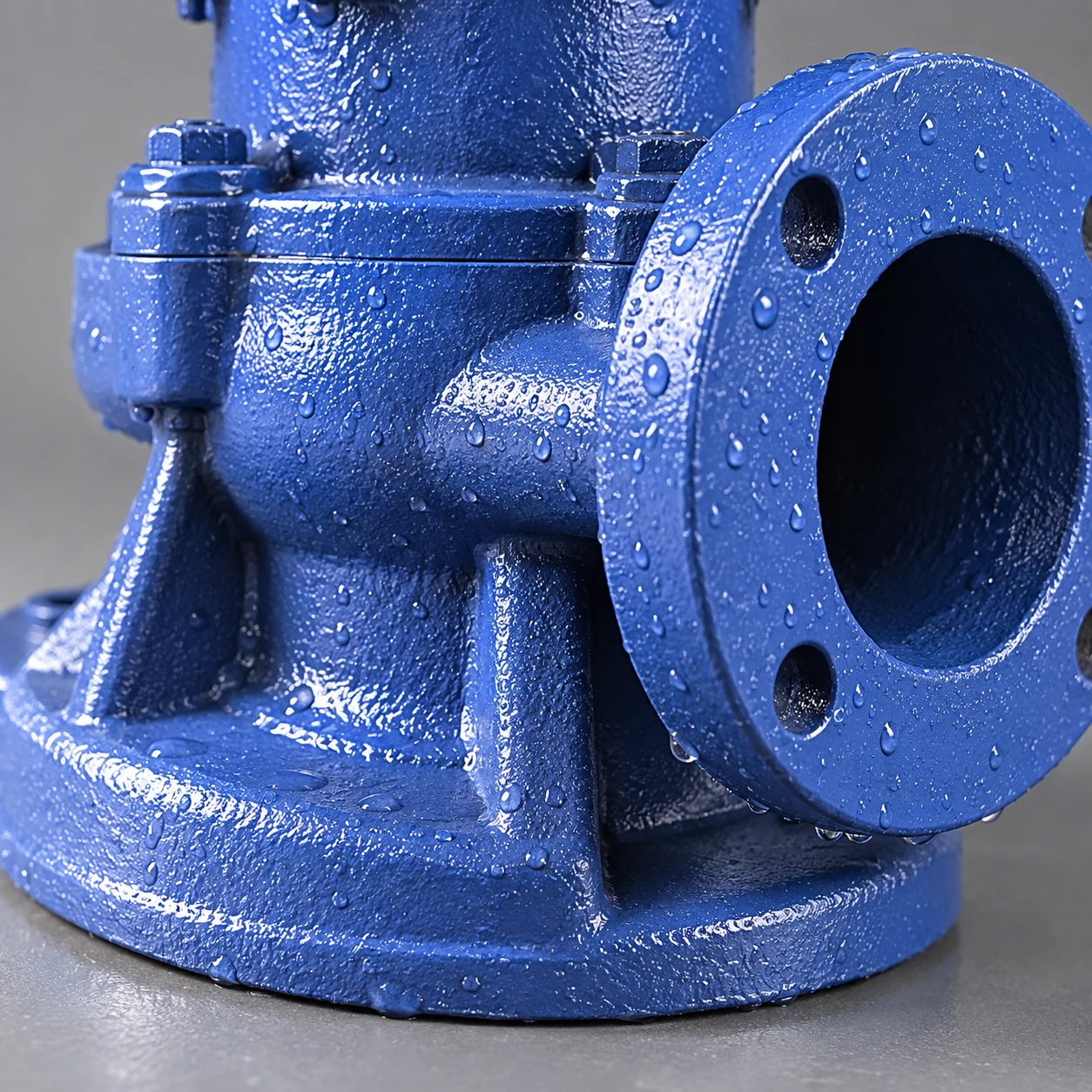
Этот Borra WQ submersible sewage pump supplies the exterior product reference for this guide. Its photograph cannot prove the impeller fitted inside, the passage size or the available hydraulic variants. Confirm those items in the quotation and approved drawing. Any separate educational impeller illustration represents a general concept, not a cutaway or specification of the pictured Borra unit.
Describe the wastewater before choosing the geometry
List the expected materials separately: hard particles, fibrous wipes, long cloth, grease, grit and occasional foreign objects. Their behavior differs. A round particle that fits through a passage is not an adequate test of how a long rag moves through the same pump. Note where the wastewater originates, whether pretreatment exists and whether unusual discharges occur during particular shifts or rainfall events.
Use operating records where available. A station that repeatedly blocks with wipes presents a different problem from one suffering abrasive wear. Photographs of safely removed debris and maintenance reports can help a supplier interpret the risk. Do not collect samples by entering a wet well without the required entry arrangements. Sampling, isolation and lifting must follow the site’s procedures for biological, electrical and atmospheric hazards.

Compare the choices with the duty point held constant
| Вопрос | Vortex arrangement | Channel arrangement | Доказательства для запроса |
|---|---|---|---|
| How does material pass? | Much of the transported material uses space outside the recessed impeller | Material travels through defined hydraulic passages | Section drawing and actual free-passage definition |
| How are rags handled? | Reduced impeller contact may help in some duties | Performance depends on passage geometry and rag interaction | Relevant test method and application history |
| What energy is required? | Compare supplied efficiency at the actual duty | Compare supplied efficiency at the same duty | Curve, motor input and annual operating assumptions |
| How is wear managed? | Review casing and impeller exposure to abrasive material | Review passage surfaces and approved clearances | Material specification, inspection and service requirements |
| Can the station accept it? | Check installation envelope and connections | Check installation envelope and connections | Dimensions, guide-rail compatibility and electrical details |
The comparison deliberately avoids a fixed efficiency or particle-size claim. General pump selection and station planning are discussed in NPTEL’s sewage pumping material. The final choice requires the manufacturer’s data for the offered configuration.
Distinguish free passage from resistance to ragging
A declared solids passage is normally a geometrical description under the supplier’s stated definition. Ask how it is measured and which parts of the pump limit it. It does not establish what happens when flexible debris bends, bridges or winds around rotating surfaces. The same limitation applies when a supplier gives a maximum particle dimension without describing the material or test conditions.
For a ragging problem, ask specifically about fibrous material and the proposed duty range. Request evidence that matches the wastewater rather than a demonstration with clean water and smooth balls. The solids-passage selection guide explains the information needed to separate hard-particle clearance from broader blockage risk. Neither impeller type should be described as impossible to clog.
Read the curve across the expected operating range
Plot the expected minimum, normal and peak duties against each offered curve. Check head, flow, power and the manufacturer’s permitted operating region. Selecting an impeller because it looks open does not establish that the pump will reach the discharge elevation through the actual force main. Conversely, an efficient point at normal flow does not prove reliable operation under the station’s other conditions.
Use the lift-station sewage pump sizing guide for the wider calculation. Where speed control is proposed, review every required speed with the supplier. Reduced speed can change the hydraulic operating point and the way solids are transported. Do not extrapolate a successful full-speed trial into an unsupported claim about low-speed wastewater performance.
Compare energy with downtime and maintenance
Efficiency matters when a station runs for many hours, but electricity is only one part of the decision. Ask how often the existing unit is lifted, how long the station is unavailable and whether emergency bypass pumping is needed. A small energy advantage may be outweighed by frequent blockage and difficult access. The reverse may also be true when the wastewater is well controlled and service interruptions are rare.
Этот Department of Energy pumping-system sourcebook supports evaluating the complete pumping system. Build a comparison using measured or clearly labeled assumed operating hours, electrical input and maintenance costs. Keep assumptions visible. Do not publish a savings percentage without a defined baseline, duty and calculation that someone else can reproduce.
Check what the station contributes to blockage
An impeller change cannot correct every wet-well problem. Inspect incoming flow patterns, settled grit, floating debris, pump inlet approach and level settings. Check the station’s maintenance history for conditions that recur before a blockage. If a rag mat is allowed to accumulate and then enters the intake as one large mass, changing only the nominal passage dimension may leave the main cause untouched.
Review upstream source control and accessible screening where appropriate. Screening adds its own cleaning workload and headloss, so it needs an operating plan. Use the station blockage prevention guide to structure that review. Match the pump choice to the whole station rather than presenting an impeller as a substitute for basic wastewater and maintenance management.
Confirm the replacement will fit and remain serviceable
Check dimensions, lifting mass, discharge connection, guide-rail or coupling interface, cable length and the approved electrical requirements. A replacement with better hydraulic performance can still create practical problems if the access opening, lifting system or controls are incompatible. Confirm how technicians inspect or replace the wear components and whether spare parts are available for the offered variant.
Preserve the distinction between a hydraulic change and a motor change. Different impellers or duties can affect the required power. The existing motor rating, protective settings and supply arrangement should not be assumed adequate. Ask the supplier to identify the full offered combination and have the responsible designer approve any associated control or installation changes.
Specify a meaningful acceptance check
Agree before purchase which operating readings and observations will establish acceptance. These can include flow, discharge pressure, motor input, stable operation and alarm behavior at defined station conditions. If blockage resistance is a major reason for selecting the unit, agree a relevant test or monitored operating period, with clear limitations. A short clean-water run verifies only a limited part of wastewater performance.
Maintain a comparison log after commissioning. Record debris-related interventions, wear findings, operating hours and duty changes. Do not attribute every improvement to the impeller when screens, controls or operating practice changed at the same time. A documented result helps the next station make a better decision and gives the supplier useful evidence for further adjustment.
Keep the compared quotations equivalent
Ensure each quotation uses the same liquid assumptions, installation and duty range. Ask whether the stated efficiency is hydraulic, pump shaft or overall electrical efficiency; mixing these values creates a false comparison. Confirm whether accessories and controls are included in the price. If one proposal changes the station pipework or operating method, list that change separately so its cost and effect remain visible. The result should be a comparison of complete workable choices rather than a competition between isolated brochure figures.
Learning resource
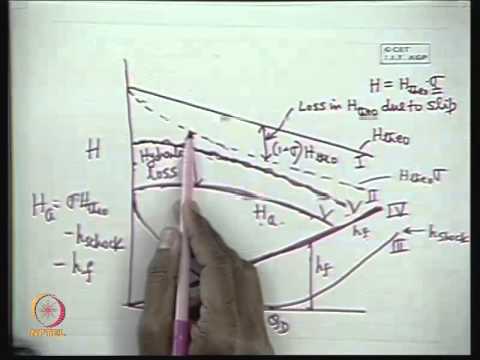
NPTEL’s centrifugal pump characteristics lecture explains flow, head and the operating point. It is useful when comparing curves for different impeller options; it does not certify their rag-handling performance.
Часто задаваемые вопросы
Is a vortex impeller always better for sewage?
No. Wastewater composition, the duty point, energy use and service conditions determine whether it is appropriate.
Is a channel impeller always more efficient?
Use the actual supplied curves. A general design description cannot establish the efficiency of two specific pumps at the required duty.
Does a large solids passage prevent wipes from blocking?
Not necessarily. Flexible fibers can bridge or wind around surfaces; their behavior differs from a smooth particle passing through an opening.
Can the product photograph identify the impeller?
No. Obtain the supplier’s configuration information and drawing before attributing an internal design to the pictured pump.