
Booster pump vs centrifugal pump is a duty-language comparison: boosting aims to maintain service pressure for users, while centrifugal describes an impeller machine family that can boost, transfer, circulate, or serve other duties depending on the system design. Procurement fights end faster when the RFQ states the job before arguing labels. This page helps buyers and contractors rewrite label-only requests into duty statements.
Part 1. How Do Duty Labels Differ From Machine Families?
Centrifugal describes how many pumps add energy with an impeller. Booster describes a system job: raising or maintaining pressure for a service. Many booster machines are centrifugals; not every centrifugal is applied as a booster.
| Aspect | Booster duty emphasis | Centrifugal as a family |
|---|---|---|
| Primary question | Maintain service pressure for users? | Which impeller machine fits the duty? |
| Typical inputs | Demand profile, residual pressure, controls | Flow, head, liquid, installation |
| Overlap | Many boosters are centrifugals | Centrifugals also transfer, circulate, etc. |
| Purchase mistake | Buying horsepower without demand data | Buying a family name without a duty |
Readers searching for booster pump vs centrifugal pump usually need this boundary language, not a catalog slogan. For booster basics see ปั๊มบูสเตอร์คืออะไร and the Booster Pump pillar.
Part 2. Which System Goal Should Be Written Before Comparing Hardware?
If the goal is fixture pressure under varying demand, review booster-system inputs. If the goal is relocating volume between points, review transfer inputs. The machine family follows the goal.
| System goal | Inputs to capture first | Label trap to avoid |
|---|---|---|
| Maintain service pressure | Demand profile, residual pressure, controls | Shopping only by horsepower |
| Relocate volume between endpoints | Flow, head, suction, line description | Calling every centrifugal a booster |
| Circulate process water | Temperature, continuous duty, materials | Forcing booster control logic onto steady loops |
| Unclear label-only RFQ | Rewrite as a duty statement | Comparing quotes that answer different jobs |
Related boundary language appears in transfer pump vs booster pump and difference between booster pump and pressure pump.
Part 3. How Do Control Expectations Change Between Boosting and Transfer?
Boosting often needs controls that respond to demand and protect the pump. A simple transfer centrifugal may use different start and stop logic. Copying controls between duties creates short cycling or unmet pressure.
| Control topic | Boosting emphasis | Transfer centrifugal emphasis |
|---|---|---|
| Start signal | Demand, pressure band, or VFD sensing | May be manual or process interlock |
| Stop / protection | Low inlet, dry-run, high pressure limits as designed | Often simpler if duty is steady |
| Short cycling risk | High when bands or tanks are wrong | Lower when continuous transfer runs |
| Sensor location | Often at the protected service point | Often near pump or process point |
Important: Do not purchase from the words booster or centrifugal alone. Define the system goal and verify the model curve against documented inputs. (Hydraulic Institute)
Part 4. Which Suction and Inlet Assumptions Still Apply to Both Labels?
Both duties need honest suction conditions. Boosting from a weak inlet is still limited by available NPSH and supply behavior; calling the machine a booster does not create water.
| Decision input | Boosting review | General centrifugal review |
|---|---|---|
| Demand variation | Critical for control concept | May be steadier on transfer |
| Incoming pressure | Defines residual boost | May be flooded suction transfer |
| Service continuity | Standby often discussed | Depends on process criticality |
| Documents | Controls and package scope | Curve and materials scope |
NPSH and inlet honesty belong in every quote comparison. A centrifugal label does not waive those checks, and a booster label does not invent supply capacity.
Part 5. How Do Buyers Avoid False Either-Or Purchasing?
Buyers sometimes ask booster or centrifugal as if mutually exclusive. Ask instead: what duty, what inputs, which verified model families fit.
| False either-or | Rewrite as | Evidence to request |
|---|---|---|
| Booster or centrifugal? | What system job is required? | Duty statement with endpoints or demand |
| Cheapest centrifugal wins | Does the curve hit the boost residual? | Annotated operating point |
| Any booster package fits | Are controls matched to demand? | Control concept with sensing location |
| Horsepower settles it | Where is the operating point? | Curve and inlet data |
When labels conflict, rewrite the request as a duty statement with demand or transfer endpoints before comparing machine families.
Part 6. Which BORRAPUMP Routes Fit After the Duty Boundary Is Clear?
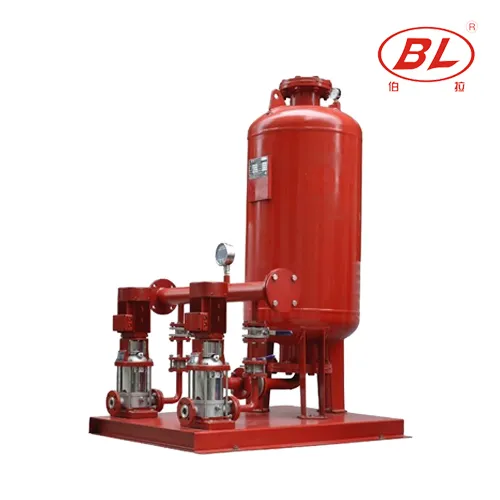
Documented boosting duties can discuss packaged boost and regulate equipment; documented clean transfer duties can discuss end-suction centrifugals.
| If the duty is… | Discuss | Send with quote |
|---|---|---|
| Building pressure boosting with verified supply | อุปกรณ์จ่ายน้ำบูสเตอร์เรกูเลเตอร์ | Demand profile, inlet/outlet pressure targets, controls, power, destination |
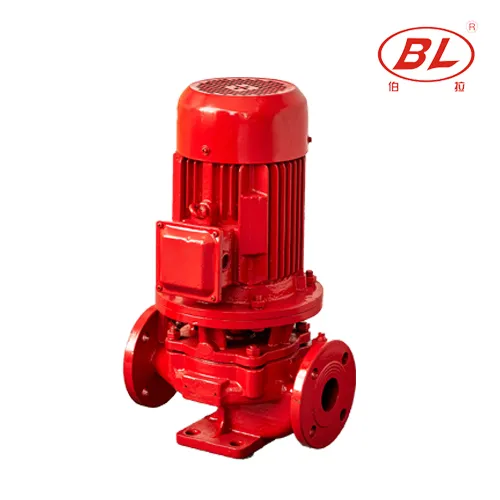
| Inline boost in a mechanical room | ISG Vertical Inline Boost Water Pump | Duty point, suction condition, orientation, documents |
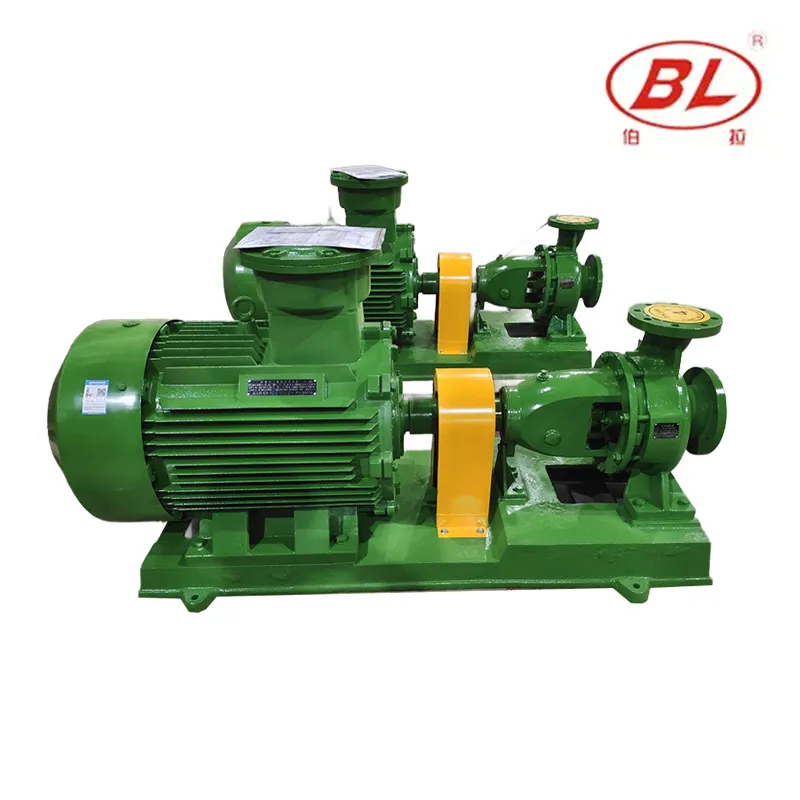
| Clean-water transfer or general centrifugal service | IS Clean Water Centrifugal Pump | Endpoints, flow, head, liquid, power, destination |
Why not treat the word centrifugal as proof a machine is unsuitable for boosting, or booster as proof it is not a centrifugal: those words answer different questions and must not be used as exclusive purchase categories.
Clarify the duty first with the Booster Pump pillar, then contact BORRAPUMP with verified system inputs.
Part 7. Which Label Arguments Sit Outside This Comparison?
Fits:
- Rewriting booster-versus-centrifugal label fights into duty statements for clean-water building or transfer inquiries.
- Routing RFQs after demand or transfer inputs are documented.
Does not fit:
- Declaring one label universally better.
- Fire-pump selection or listing claims.
- Sizing from horsepower alone without an operating point.
Must be confirmed before quote:
- System goal, flow and head or pressure residual targets, inlet conditions, liquid data, control concept, installation environment, quantity, and destination.
FAQ
Is a booster pump usually a centrifugal machine in construction?
Often yes in construction, but booster names a duty while centrifugal names a machine family. Confirm the actual duty and model data.
Can a centrifugal pump serve a boosting duty on a building system?
Sometimes, when the system design and verified model data support a pressure-boosting duty. The label alone is not enough.
What is the first question in a booster pump vs centrifugal pump debate?
State the system job first – maintain service pressure, relocate volume, or another documented duty – before comparing machine families.
Why do control expectations often differ between boosting and transfer centrifugals?
Boosting usually tracks variable demand; many transfer duties are steadier. Controls must match the duty profile.
Does calling a pump a booster increase its pressure capability by itself?
No. Capability comes from verified performance data at the documented operating point.
What data should quotations include for either boosting or general centrifugal routes?
Duty definition, flow and head with sources, liquid data, installation concept, controls, and documents.
How does this page relate to transfer pump vs booster pump comparisons?
Transfer versus booster separates volume relocation from pressure maintenance; a centrifugal machine may appear in either duty.
Does this comparison declare a single winning label?
No. It clarifies boundaries so project inputs can select a verified model.