
Pump baseplate grouting creates the specified load-transfer connection between an equipment base and its concrete foundation. A reliable installation depends on the approved base design, correct grout selection, prepared surfaces, controlled placement and documented curing. Grout should not be used to hide a distorted base, compensate for unsupported pipework or skip alignment checks. Confirm that the particular pump package is designed to be grouted before writing the installation procedure.
This guide is for project engineers and inspectors coordinating industrial water-pump foundations. It explains the decisions and inspection records needed for a grouted installation. It does not prescribe a universal grout thickness, anchor torque, mixing ratio or time to start the pump.
First confirm whether grouting belongs in the design
Some pump bases require grouting, while other packages use engineered mounting arrangements that follow different instructions. Portable and trailer-mounted units should not be treated as fixed concrete-foundation installations. Obtain the actual general arrangement, foundation drawing and installation manual, and identify the revision approved for construction. A photograph of a similar pump is insufficient evidence for changing the support method.
For a fixed installation, establish the intended load path through the base, grout, foundation and anchors. Also identify access for placing grout and releasing displaced air. Internal stiffeners, anchor pockets and enclosed sections can affect that access. Resolve these questions with the equipment supplier and civil engineer before the base is set, rather than improvising once the grout is mixed.
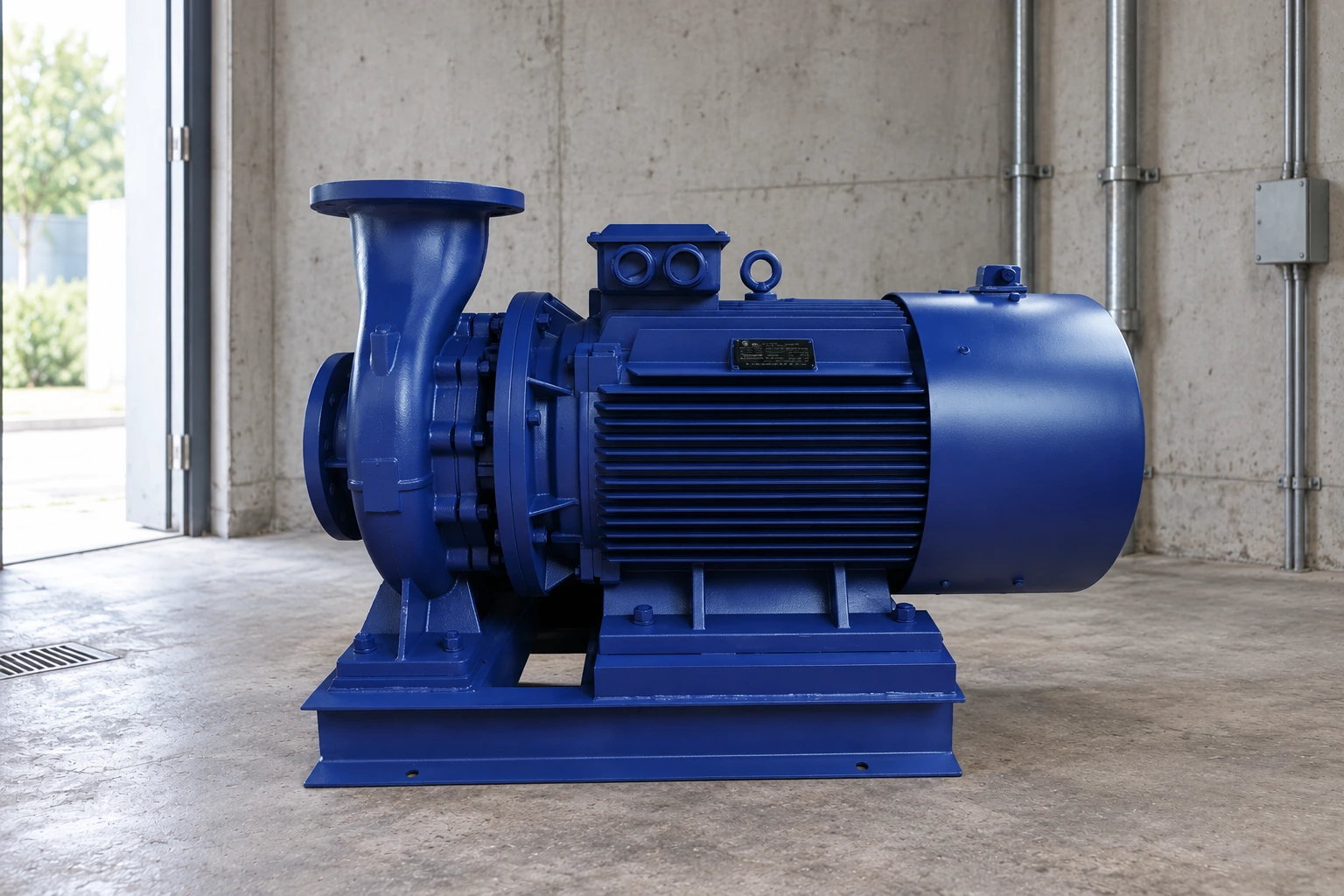
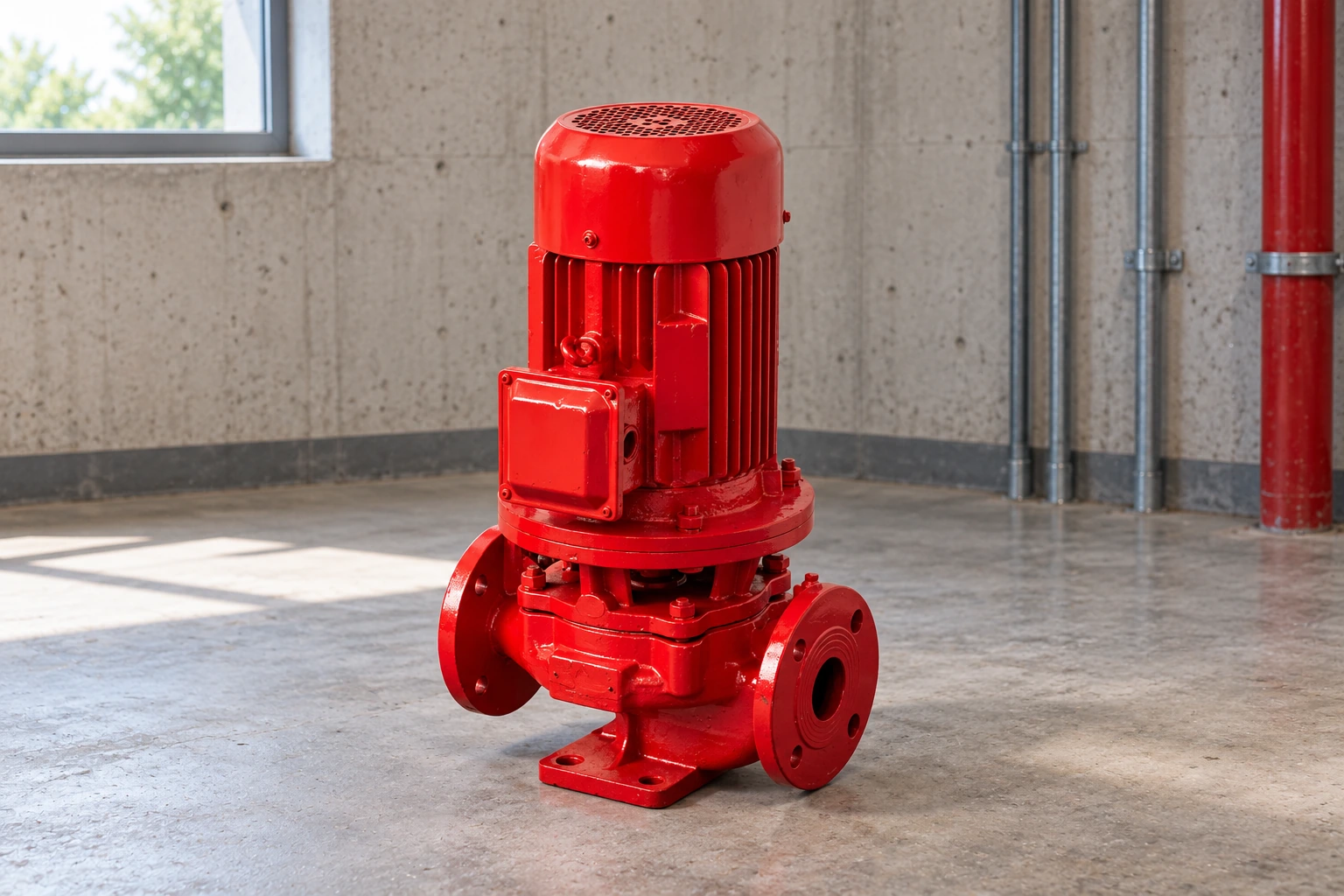
เดอะ IS clean water centrifugal pump range illustrates the type of pump for which the supplied package drawing must be reviewed. Its product listing does not by itself confirm any particular foundation detail. The close-coupled versus frame-mounted pump comparison provides useful context for understanding why mounting and alignment requirements differ.
Define the grout system and acceptance documents
เดอะ American Concrete Institute report on grouting equipment bases describes cementitious and epoxy grouts used between equipment bases and foundations. Selecting between them requires the project design conditions and the material supplier’s documentation. Do not choose a grout solely because its label mentions high strength or because it was used on another machine.
Confirm compatibility with the base geometry, placement depth, operating environment, expected loads and construction temperatures. Record the specified material, approved product data sheet, batch identification and shelf-life requirements. If a contractor proposes a substitution, have the responsible designer review it before purchase or use. Mixing components from different systems or altering the prescribed proportions can invalidate the intended performance.
Sika’s cementitious machine-base grouting method statement is a practical manufacturer reference for preparation, mixing, placement and curing. Its instructions apply to the described cementitious products; they should not be copied into an epoxy procedure. The current selected product data sheet and approved project method remain the controlling documents.
Establish inspection hold points before construction
| เวที | Evidence needed before release | Responsible decision | Typical reason to pause |
|---|---|---|---|
| Design review | Approved base and foundation drawings | Equipment supplier and designer | Grouting requirement or access unclear |
| Surface preparation | Clean substrate and underside inspection record | Construction inspector | Contamination, loose material or inaccessible pockets |
| Base setting | Level, support and preliminary alignment records | Mechanical installer | Distorted support or unexplained movement |
| Material preparation | Correct batch, proportions and environmental conditions | Grout installer | Expired material or unsuitable temperature |
| Placement | Flow route, vent route and uninterrupted material supply | Grout installer and inspector | Leakage, trapped air or disrupted flow |
| Cure and release | Product-specific cure evidence and approved checks | Responsible engineer | Loading or startup requested too early |
| Final handover | Alignment, anchors, pipe support and operating baseline | Commissioning team | Missing inspection or unresolved deviation |
This is an inspection framework. Acceptance values must come from the approved design and selected material instructions. The table intentionally supplies no generic strength, thickness or anchor-torque limits that could be inappropriate for the actual package.
Inspect concrete and base surfaces
The concrete surface must be prepared as specified so the grout interfaces with sound material. Remove contamination, loose particles and debris using the approved method. Check the underside of the base as well: oil, coatings incompatible with the grout system or construction residue can compromise the intended interface. Document the condition before access is lost during placement.
For the cementitious process described by Sika, substrate moisture conditioning and removal of standing water are distinct preparation steps. That does not mean every grout should be placed on a wet substrate. Epoxy systems and other formulations can have different moisture requirements. The inspector should verify the selected product’s condition directly and record compliance rather than treating all grouts as interchangeable.
Anchor pockets and recesses require the same attention as open surfaces. Water and debris can remain where they are difficult to see. Confirm that any cleaning method does not introduce oil or leave incompatible residue. If preparation exposes damaged concrete, stop and obtain a repair disposition. Grout placement should not bury an unresolved foundation defect.
Set the base without forcing it into position
Use the support and leveling arrangement specified by the package designer. Check level and preliminary pump-to-driver alignment at the required stages, recording the instrument and reference points. The objective is a stable, correctly positioned base before permanent load transfer, not a visually straight top edge. Do not use anchors to pull a distorted base into an apparently acceptable shape.
Soft foot, base distortion and coupling alignment are related but separate conditions. A satisfactory coupling reading at one moment does not prove that each foot has proper support. Equally, a level base does not establish correct shaft alignment. The inline pump installation and alignment guide explains the importance of equipment-specific support and alignment checks without replacing the installation manual.
Keep connected piping independently supported as designed. Drawing a misaligned pipe flange onto the pump with bolts can transmit loads that alter alignment after the grout has cured. Record the alignment condition before and after piping connection when the approved procedure requires it. Resolve pipe fit-up problems at their source rather than asking grout or anchor tightening to compensate.
Plan the flow path, formwork and air escape
Formwork should retain the selected grout and allow its intended placement method. Review the inlet side, headbox where specified, discharge observation points and routes for displaced air. An enclosed base may need designed access or vent openings. Do not drill new openings without supplier approval; a convenient opening can interfere with a stiffener or change the structure.
Calculate the required material from the actual geometry and allow the approved contingency for the placement method. Check mixer capacity, labor, access and the sequence of batches before starting. A placement that stops unexpectedly can leave incomplete support or create interfaces that require engineering review. A checklist is useful only if it confirms the resources are physically ready.
Do not confuse grout emerging at an accessible edge with proof that every internal pocket is filled. Watch the specified inspection points and document the placement progression. If flow stops or formwork leaks, follow the approved contingency procedure. Adding extra water or using an improvised tool to push material through can change its properties or trap more air.
Control mixing, placement and curing
Measure components using the selected product instructions and suitable equipment. Record batch numbers, mixing start times and environmental conditions. Cementitious grout water content must remain within the product’s permitted range; additional water is not a harmless way to improve flow. Epoxy systems require their own component and aggregate controls, which are outside a cementitious-only method statement.
Protect the work from conditions excluded by the product instructions. Ambient temperature, substrate temperature, sunlight and weather can affect handling and cure. A published working time measured under one laboratory condition is not a guaranteed field working time under every condition. Plan the batch size around the actual approved application window and the available placement rate.
Curing is part of installation quality, not merely a delay before startup. Maintain the specified protection and curing procedure, and prevent premature loading or disturbance. Do not release the pump because a surface looks hard or because a standard number of hours has elapsed on another project. The engineer must accept the evidence required for this material and installation.
Recheck the mechanical system before startup
After the required cure and release, complete anchor and support adjustments in the approved sequence. Recheck final alignment and record the readings. A change from the preliminary values requires explanation; it should not be hidden by reporting only the final acceptable number. Keep any corrective actions attached to the installation record.
Check guards, lubrication, electrical readiness, pump filling and operating boundaries before commissioning. For intrusive corrections, apply the site’s hazardous-energy control procedure. NIOSH’s hazardous energy control guidance explains why unexpected startup and release of stored energy must be addressed during maintenance. The guidance complements the local legal and site requirements.
During the authorized run, establish a baseline for vibration, pressure, flow and temperature at the specified duty. Grout quality cannot be diagnosed from vibration alone, but the baseline gives future investigations a reliable comparison. Use the pump factory acceptance checklist to distinguish factory records from the site foundation and commissioning records that only the installation team can supply.
Handover and further learning
Keep the approved drawing revision, grout documents, preparation photographs, batch records, environmental observations, cure release, alignment reports and commissioning measurements together. List every deviation and its approved disposition. These records help future maintainers distinguish an original foundation condition from later pipe strain, loose supports or equipment changes.
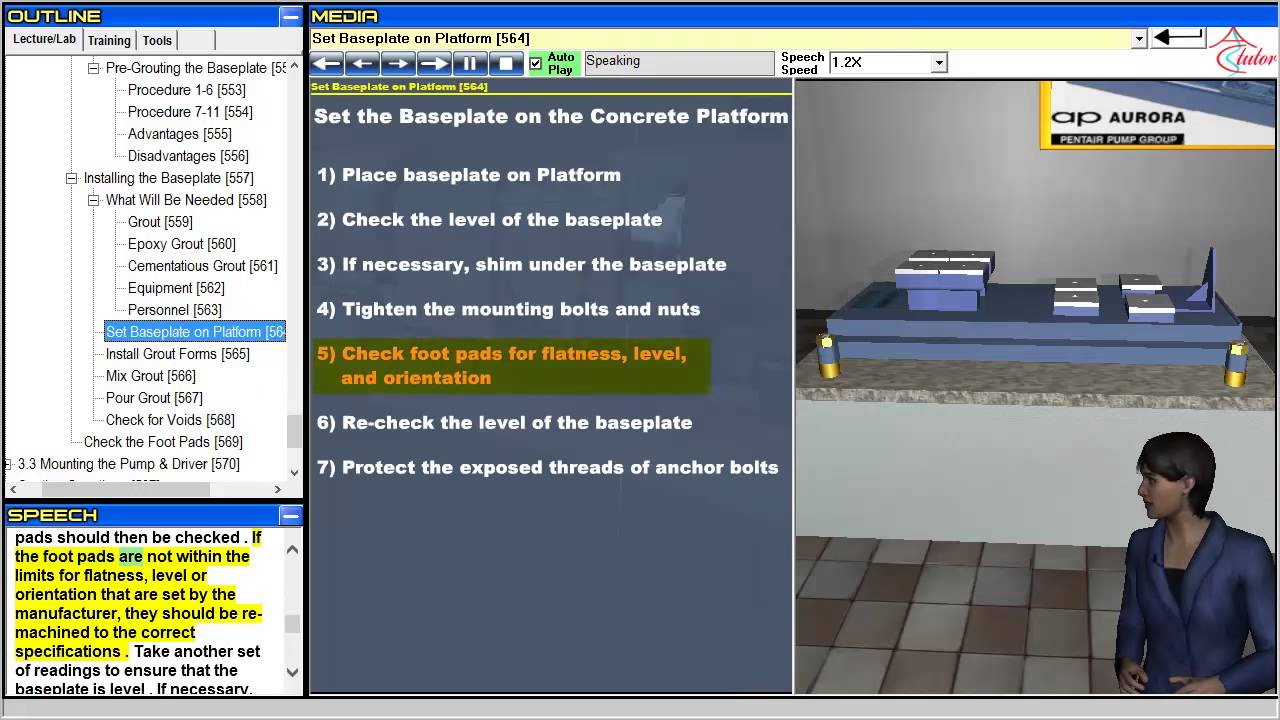
The educational animation “Virtual Centrifugal Pump – Installation (4/5)” by asciencetutor introduces installation concepts. Treat it as a visual learning aid, not as a manufacturer procedure or proof of the foundation requirements for a particular BORRAPUMP package.
คำถามที่มักถูกถาม
Does every pump need a grouted base?
No. The actual package design and mounting instructions decide. Fixed bases, close-coupled arrangements and portable packages can require different support methods.
Can grout correct a bent baseplate?
Grout should not conceal an unresolved base distortion. Have the supplier or designer establish an acceptable correction before permanent placement.
Can extra mixing water improve difficult grout flow?
Do not exceed the selected cementitious grout’s specified water range. Investigate the material, temperature, access and placement method instead of changing its prescribed formulation.
When can the pump start after grouting?
After the selected material meets the required cure and release conditions and all mechanical and commissioning checks are accepted. There is no universal waiting time suitable for every grout.
Is final alignment still required after curing?
Yes, when required by the equipment’s approved installation procedure. Record alignment at the specified stages and investigate any unexpected movement before operation.