
น้ำเข้าสู่เรือนตลับลูกปืนของปั๊มจำเป็นต้องมีการตรวจสอบอย่างเป็นระบบ โดยตรวจสอบสารหล่อลื่น ตลับลูกปืน ตัวเรือน และเส้นทางที่น้ำอาจเข้าสู่ระบบก่อนประกอบกลับ หากการตรวจสอบเพื่อหาสาเหตุกำหนดให้ต้องเก็บตัวอย่างน้ำมันและบันทึกสภาพก่อนการตรวจสอบ ให้ดำเนินการเก็บรักษาไว้ ระบุว่าน้ำอาจเข้าสู่ระบบได้อย่างไร และพิจารณาว่าส่วนประกอบใดจำเป็นต้องทำความสะอาด ตรวจสอบ หรือเปลี่ยนใหม่ตามคำแนะนำของอุปกรณ์ การเปลี่ยนน้ำมันโดยไม่ตรวจสอบแหล่งที่มาของน้ำอาจทำให้กลไกที่ก่อให้เกิดความเสียหายยังคงทำงานอยู่ นอกจากนี้ การตรวจสอบต้องแยกแยะสิ่งปนเปื้อนที่พบภายในห้องตลับลูกปืนออกจากน้ำในกระบวนการผลิตหรือน้ำจากการฉีดล้าง...
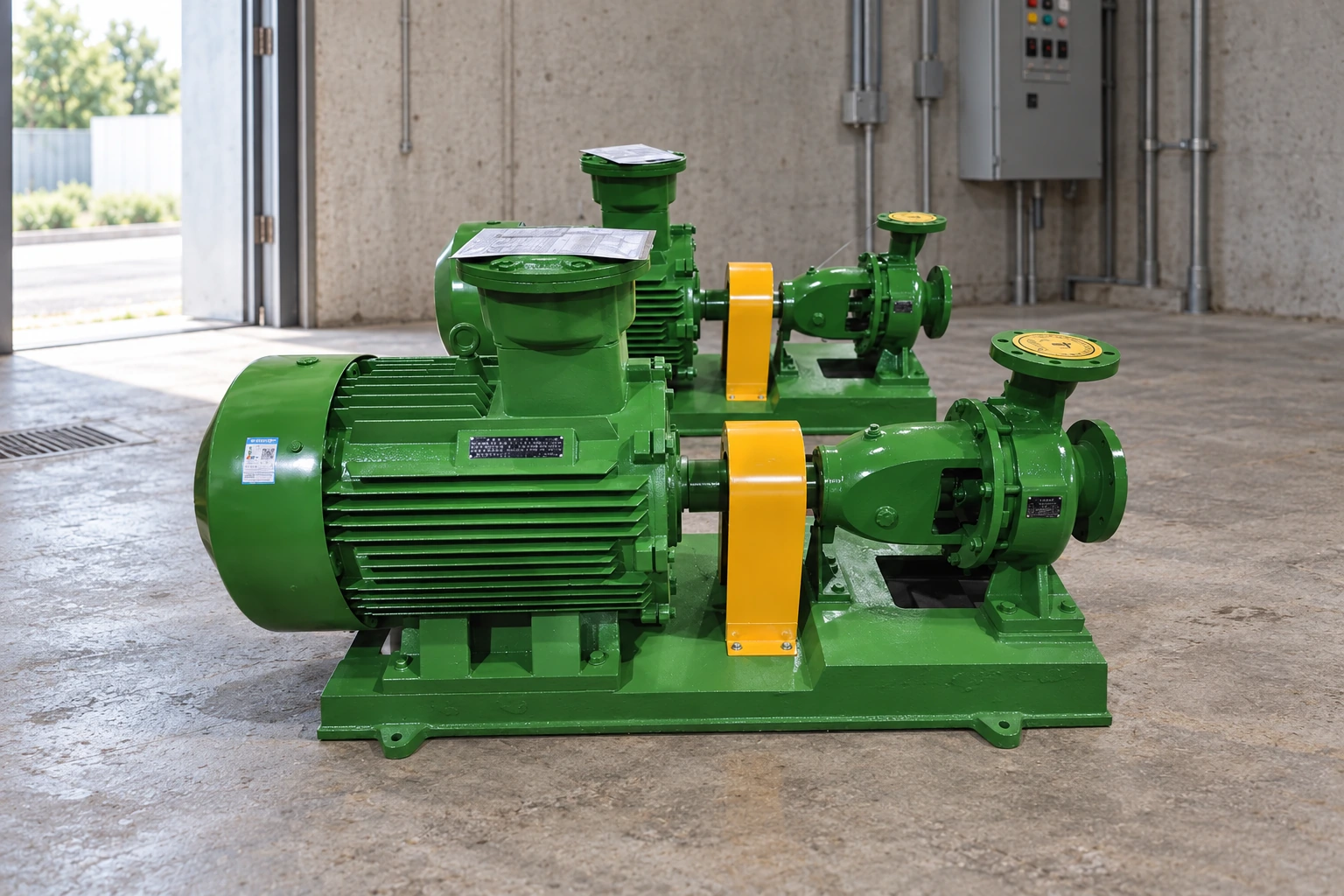
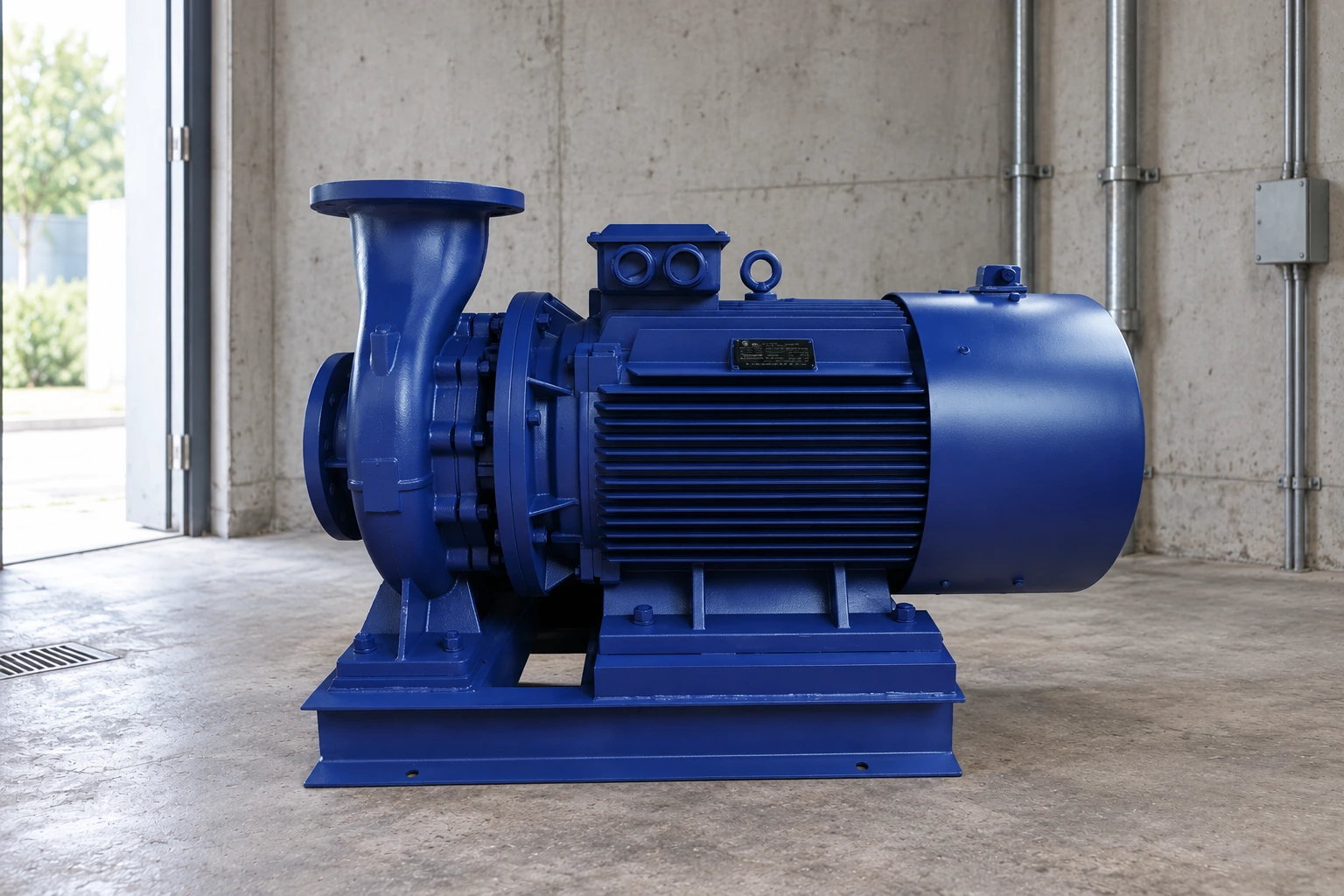
This guide addresses industrial pump bearing compartments that use a separate lubricant system. Some pumps use different bearing arrangements or sealed units. Confirm the actual assembly before applying an oil-housing workflow; a product photograph cannot identify its internal lubrication design.
Confirm the compartment and its operating history
Start with the pump serial number, assembly drawing, bearing arrangement and lubricant specification. Identify every compartment included in the inspection and the boundary between process liquid and lubricant. Check whether there is an oil sump, grease-lubricated bearing, sealed bearing or another arrangement. Do not open a sealed assembly or add an inspection port without approval for that equipment.
Record the last normal operating condition, the first observed symptom and intervening events. Useful events include flooding, washdown, a failed seal, a damaged breather, an outdoor shutdown and a change in cleaning practice. In a self-priming drain-pump application, exposure to dirty water makes careful boundary identification especially important. It does not establish that water entered the bearing housing or prove which route it followed.
Preserve evidence before draining or cleaning
Record lubricant level and appearance using the installed inspection arrangement where safe. Photograph leaks, residue, damaged closures and the external environment. Mark the sample location and operating state. If laboratory analysis is planned, agree the sampling method, container, timing and requested tests with the laboratory before collecting the sample. Label it so a reviewer can distinguish an operating sample from a bottom drain or a post-flush sample.
Milky appearance, free water, rust or sediment are observations requiring investigation. They do not quantify water concentration or identify its source. A clear sample does not prove that all water has been removed. Retain relevant filters, seals and deposits when instructed, and protect them against cross-contamination. Keep wash water and cleaning products away from evidence containers. Use the separate pump bearing oil analysis sampling guide for sample traceability rather than treating an improvised drain sample as equivalent to a representative operating sample.
Isolate the equipment and plan access
Apply the site’s approved isolation and stored-energy procedure before opening the assembly. Address electrical drive energy, automatic starting, pressure, hot surfaces and any process hazards relevant to the installation. Obtain the correct dismantling instructions and component handling plan. An inspection guide cannot determine safe lifting points, component weights or the isolation boundary from a photograph.
Create a clean work area and identify containers for parts, samples and waste lubricant. Record how covers and seals were removed. Protect bearing seats and machined joints from impact. If a component needs specialized tools or controlled heating, use the approved procedure. Improvised force can create new damage and obscure the original contamination problem. Photograph unexpected findings before continuing so the report distinguishes service condition from maintenance damage.
Examine possible entry routes systematically
Review the actual assembly for breathers, vents, shaft seals, bearing isolators, covers, sight glasses, plugs and connected lubricant equipment. Examine external evidence at each relevant location. Check for missing components, damaged sealing surfaces, loose fittings and changes from the supplied arrangement. Compare the installation with the drawing and maintenance history rather than assuming that every visible opening is defective.
Consider environmental routes such as immersion, pressure washing and condensation, as well as possible leakage across an internal boundary. These are hypotheses until supported by evidence. Where a cooler or other connected component exists, include it in the investigation only if its design permits the suspected pathway. Do not diagnose cooler leakage on an assembly that has no cooler. Record routes checked and routes not accessible, with the reason for each limitation.
Inspect the housing and bearing components
After approved cleaning, examine the housing interior for deposits, corrosion, coating damage, blocked passages and damaged machined surfaces. Inspect bearing seats, shoulders and locating features according to the drawing. Record the condition of the removed bearing and associated spacers, retainers and seals. A bearing specialist may need to evaluate the damage pattern before cleaning destroys evidence.
เดอะ EPRI Vertical Pump Maintenance Guide provides context on pump component inspection, lubrication and maintenance records. Its examples do not establish replacement criteria for every bearing. Use the actual bearing manufacturer’s and pump supplier’s requirements for disposition. Rust color, operating noise and hand rotation alone cannot establish remaining bearing life or approve reuse after contamination.
| รายการตรวจสอบ | บันทึก | Required follow-up |
|---|---|---|
| Lubricant and sample | Location, operating state, appearance, laboratory reference | Interpret results against the approved lubricant program |
| Breather or vent | Installed part, damage, exposure, obstruction | Confirm the approved arrangement and corrective action |
| Shaft sealing interface | Condition, contact surfaces, leakage evidence | Obtain component-specific repair or replacement decision |
| Housing interior | Deposits, corrosion, passages, coating condition | Define compatible cleaning and inspection scope |
| Bearing and seats | Identity, damage location, dimensions where required | Obtain drawing-based fit and bearing disposition |
| External exposure | Flooding level, washdown practice, storage history | Remove or control the demonstrated entry route |
This table organizes evidence. It gives no universal water limit, bearing replacement interval or cleaning recipe. The EPRI guide supplies general maintenance context; acceptance remains equipment-specific.
Choose cleaning and replacement methods deliberately
Ask for a written cleaning scope covering materials, seals, coatings and lubricant compatibility. A solvent suitable for a bare metal part may damage a seal or leave an incompatible residue in an assembled housing. Specify how passages will be cleaned, how remaining cleaning fluid will be removed and how cleanliness will be verified. Do not run an unspecified flushing mixture through installed bearings as a substitute for an approved method.
Record replacement part numbers and the disposition of removed components. If a bearing is replaced, examine the associated seat and retention arrangement so new parts are not assembled into unresolved damage. For dimensional questions, use the bearing fit inspection guide. It addresses measurement and documentation; it does not authorize machining an oversized seat or selecting an alternative bearing by appearance.
Correct the demonstrated cause before refilling
Match corrective action to the evidence. A damaged closure may need replacement, an incorrect breather may need the approved part, and a washdown practice may need revision. Any design change requires supplier or engineering review. Raising a vent, adding a drain or changing a seal can affect pressure equalization and contamination protection. Do not modify the housing solely because a similar pump uses a different arrangement.
If the route remains uncertain, state that explicitly and define additional investigation or monitoring. Replacing oil and observing no immediate leak is not proof that intermittent ingress has been eliminated. Record which hypotheses were supported, rejected or left unresolved. Include operating and shutdown conditions in the follow-up plan, because an entry route may appear only during cooling, flooding or a particular maintenance activity.
Reassemble and establish a clean baseline
Verify the approved lubricant, quantity or level-setting method, and component cleanliness before closure. Record the actual lubricant product and batch where required. Keep fill equipment clean and dedicated appropriately. Follow the specified bearing assembly, fastener and seal installation requirements. The correct level depends on the actual design; do not infer it from another housing’s sight glass or fill opening.
Document the as-left condition, replaced parts, inspection results and release authority. Link the job to the pump maintenance inspection report. That report should preserve the difference between an accepted component, a repaired component and an unresolved hold. If the work changed alignment or disturbed the assembly, include the required checks before operation rather than assuming that contamination work has no effect on the mechanical setup.
Verify operation and trend the next samples
Follow the approved commissioning procedure and monitor relevant operating observations such as leakage, lubricant condition, vibration and temperature. Use comparable operating conditions when assessing trends. Establish the next sampling time and tests through the maintenance program and laboratory advice. One clean-looking refill is an incomplete baseline if the concern involves intermittent water entry or residual contamination in inaccessible areas.
เดอะ เอกสารอ้างอิงสำหรับระบบสูบน้ำของกระทรวงพลังงานสหรัฐฯ supports considering maintenance within the complete pumping system. Use that perspective to connect bearing-compartment findings with installation and operating conditions. Do not claim energy savings or restored bearing life without measurements. Close the work order only when the specified inspection, corrective action and operational checks are documented, with a clear owner for any remaining monitoring task.
Learning resource: interpreting lubricant evidence
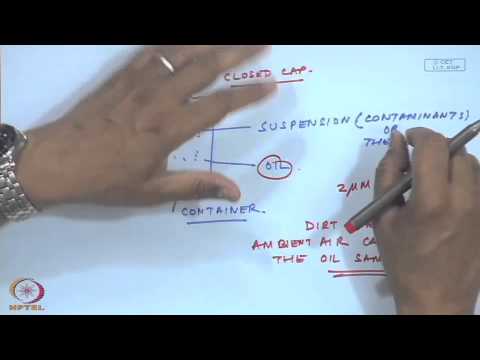
The following NPTEL oil-analysis lecture introduces condition-monitoring concepts that help explain why sample identity and operating context matter. It is educational background, not a model-specific water-removal procedure or a substitute for laboratory interpretation.
คำถามที่มักถูกถาม
Does milky oil prove a failed process seal?
สิ่งนี้บ่งชี้ถึงสภาวะที่จำเป็นต้องได้รับการตรวจสอบ แต่ไม่ได้ระบุเส้นทางที่สิ่งปนเปื้อนเข้าสู่ระบบ ควรตรวจสอบการประกอบจริง ประวัติการใช้งาน และหลักฐานจากการวิเคราะห์ก่อนที่จะระบุสาเหตุ.
การเปลี่ยนถ่ายน้ำมันเพียงอย่างเดียวสามารถซ่อมแซมให้เสร็จสมบูรณ์ได้หรือไม่?
ทำได้ก็ต่อเมื่อขอบเขตการบำรุงรักษาที่ได้รับอนุมัติและผลการตรวจสอบยืนยันว่าการดำเนินการดังกล่าวเพียงพอ ควรตรวจสอบเส้นทางที่สิ่งปนเปื้อนเข้าสู่ระบบและสภาพของชิ้นส่วน เนื่องจากอาจยังมีสิ่งปนเปื้อนตกค้างหรือมีการรั่วไหลที่ยังไม่ได้รับการแก้ไข แม้จะเติมน้ำมันใหม่แล้วก็ตาม.
Should every contaminated bearing be reused if it turns smoothly?
ไม่ควร การหมุนด้วยมือไม่สามารถยืนยันสภาพของตลับลูกปืนหรืออายุการใช้งานที่เหลืออยู่ได้ ควรพิจารณาผลการตรวจสอบและหลักฐานความเสียหายของตลับลูกปืนตามข้อกำหนดการตรวจสอบที่เกี่ยวข้องก่อนตัดสินใจ.
Can any solvent be used to flush a housing?
No. Compatibility with seals, coatings, lubricant and assembly materials must be established. Use a documented cleaning procedure and verify residue removal and cleanliness.
What should be monitored after reassembly?
Follow the approved commissioning and monitoring plan. It may include lubricant analysis, leakage, temperature and vibration under recorded operating conditions, with clear actions for abnormal results.