
Pump impeller locknut inspection checks whether the correct retaining nut can engage its matching shaft thread, seat against the intended surface and accept the specified locking arrangement without damage or interference. It requires more than checking whether a wrench can tighten the nut. Record the nut identity, thread direction, condition of the contact faces and assembly position before removal. Compare findings with the equipment drawing and approved maintenance instructions. A smooth-looking nut can still be the wrong part, while a damaged shaft thread can make a new nut unsuitable for assembly.
This guide concerns impeller retention on industrial centrifugal pumps that actually use a retaining nut. Some designs use other arrangements. It does not provide universal tightening torque, thread hand or reuse limits, and it does not assume every BORRAPUMP product has this component.
Identify the retention arrangement before using tools
Start with the pump tag, serial number, sectional drawing and parts list. Identify which component retains the impeller axially and which surface locates it. Distinguish an impeller nut from a bearing locknut, a sleeve nut or a threaded impeller hub. Their appearances and tool features can be similar, but their assembly functions differ. Keep each removed part with its original equipment and position until its identity has been established.
Check the documented thread hand before applying removal force. Do not infer it from the visible rotation arrow, an adjacent nut or experience with a different pump. Record the locking feature, such as a specified tab, screw or other device, without assuming all arrangements use one. Photograph the undisturbed assembly where safely accessible. Mark photographs with orientation references outside working contact surfaces so that later inspection can distinguish original damage from removal marks.
Make the equipment safe and preserve the evidence
Apply the site’s isolation and maintenance procedure before opening the pump. Electrical disconnection alone does not address trapped liquid pressure, temperature, hazardous residues or possible movement from connected equipment. Confirm the relevant energy sources are controlled, isolate and drain the process safely, and support components with appropriate handling equipment. The HSE guidance on equipment maintenance provides a general safety basis; the actual job requires equipment-specific instructions and competent personnel.
Use the proper tool on the intended wrenching feature. Do not strike a nut or force it backwards to discover its thread direction. If removal resistance changes abruptly, stop and examine possible locking devices, corrosion or thread damage. Note whether the nut was loose, difficult throughout removal or tight only at one position. These observations can guide inspection, but none proves an operating cause without examination of the mating parts.
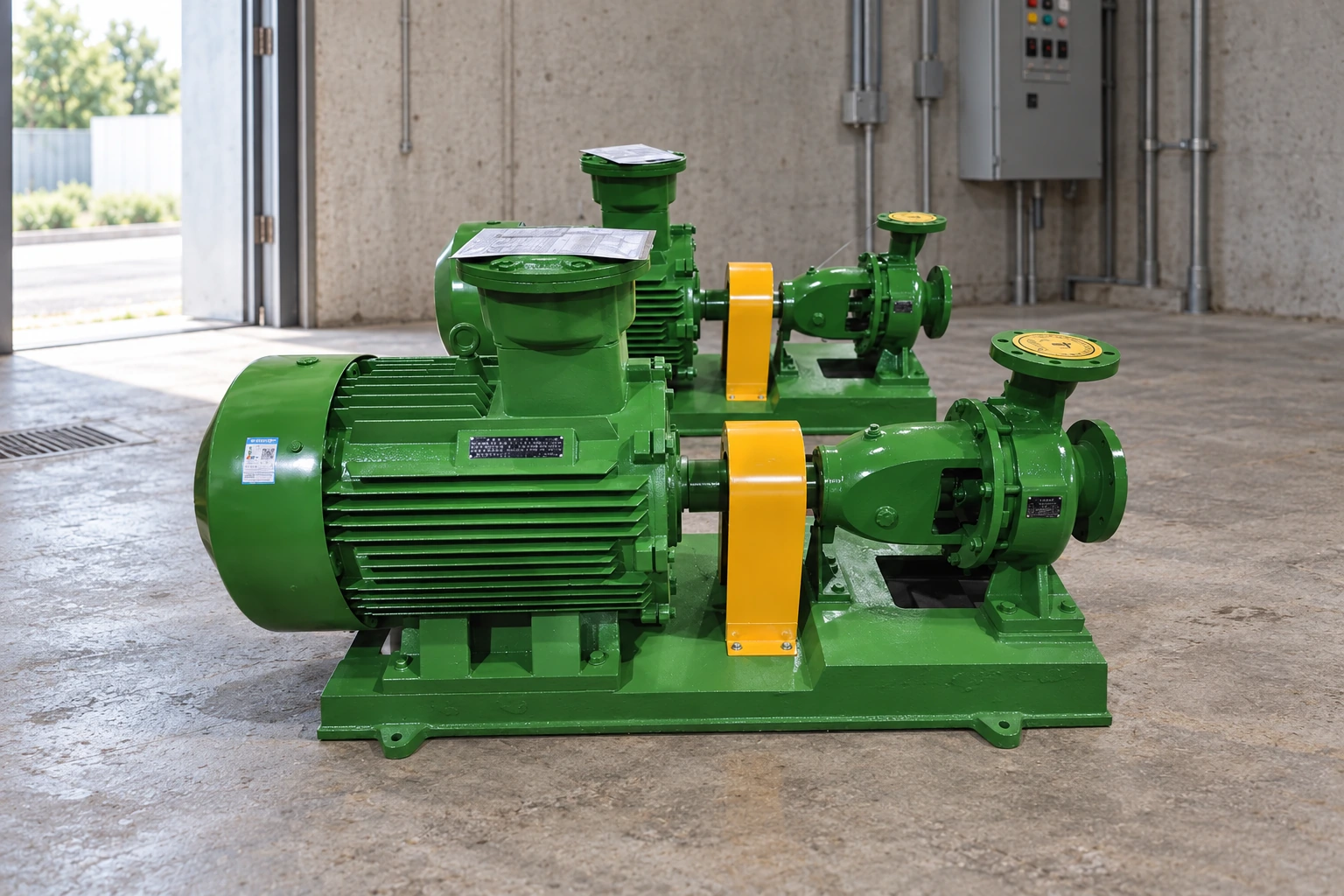
Clean without changing the part being measured
Photograph deposits, witness marks and loose debris before cleaning. Retain a representative sample when contamination or corrosion is being investigated. Choose a cleaning method compatible with the materials, coating and site chemical controls. Protect nearby seal and bearing surfaces from displaced debris. A part should be clean enough to inspect without having its thread form or seating geometry altered by preparation.
Separate cleaning from repair. Removing contamination is different from cutting threads, filing a bearing face or polishing away a groove. Record any authorized material removal and repeat the affected measurements afterward. Do not chase a damaged nut onto the shaft as an improvised cleaning method. It can transfer damage to a serviceable mating thread and erase useful evidence about where the original interference occurred.
Examine the nut and mating shaft as a pair
เดอะ OISD pump inspection guidance identifies thread damage, locking-surface condition and deformation of the wrenching section as inspection points for an impeller locknut. Use those as categories for a documented examination, rather than as a substitute for the pump’s acceptance criteria. Examine the full accessible circumference and photograph any significant indication with a scale and position reference.
Look for incomplete or torn thread crests, transferred metal, corrosion and localized contact marks. Inspect the shaft thread as well as the nut. A replacement nut does not correct a distorted or damaged shaft. If thread size, pitch or hand is uncertain, verify them using the drawing and appropriate measuring equipment. A part that starts onto the shaft does not establish full engagement or suitability through the complete working length.
Inspect the seating face for raised material, grooves and uneven contact evidence. Check any washer, spacer or adjacent hub surface included in the retention stack. A nut may reach resistance while a burr or incorrect spacer prevents the intended seating condition. Examine wrench flats, slots and locking features for deformation that could prevent controlled assembly. Do not treat cosmetic damage and loss of functional geometry as the same finding.
Build a practical inspection record
The following is a qualitative recording aid. It deliberately contains no universal torque, thread tolerance or wear limit. Populate the acceptance column from the actual pump documentation before releasing the part.
| พื้นที่ตรวจสอบ | Record at the bench | Question before acceptance |
|---|---|---|
| Part identity | Drawing reference, markings, original location | Is this the approved nut for this shaft and impeller? |
| Thread | Size, hand, condition and mating-shaft findings | Does the complete engagement meet the documented requirement? |
| Seating face | Contact marks, burrs, grooves and approved measurements | Will the intended surfaces seat without interference? |
| Tool feature | Deformed flats or slots and tool fit | Can the specified assembly operation be controlled? |
| Locking arrangement | Device identity, condition and replacement instruction | Can the approved retention method be completed? |
| Assembly position | Required datum, measured location and reviewer | Is the impeller retained at its specified axial position? |
Include instrument identification when dimensions affect the disposition. Write the units beside each value and distinguish nominal drawing dimensions from measured results. If a feature cannot be measured reliably with the available tools, record that limitation instead of entering an approximate pass. A clear unresolved finding is more useful than an unsupported check mark.
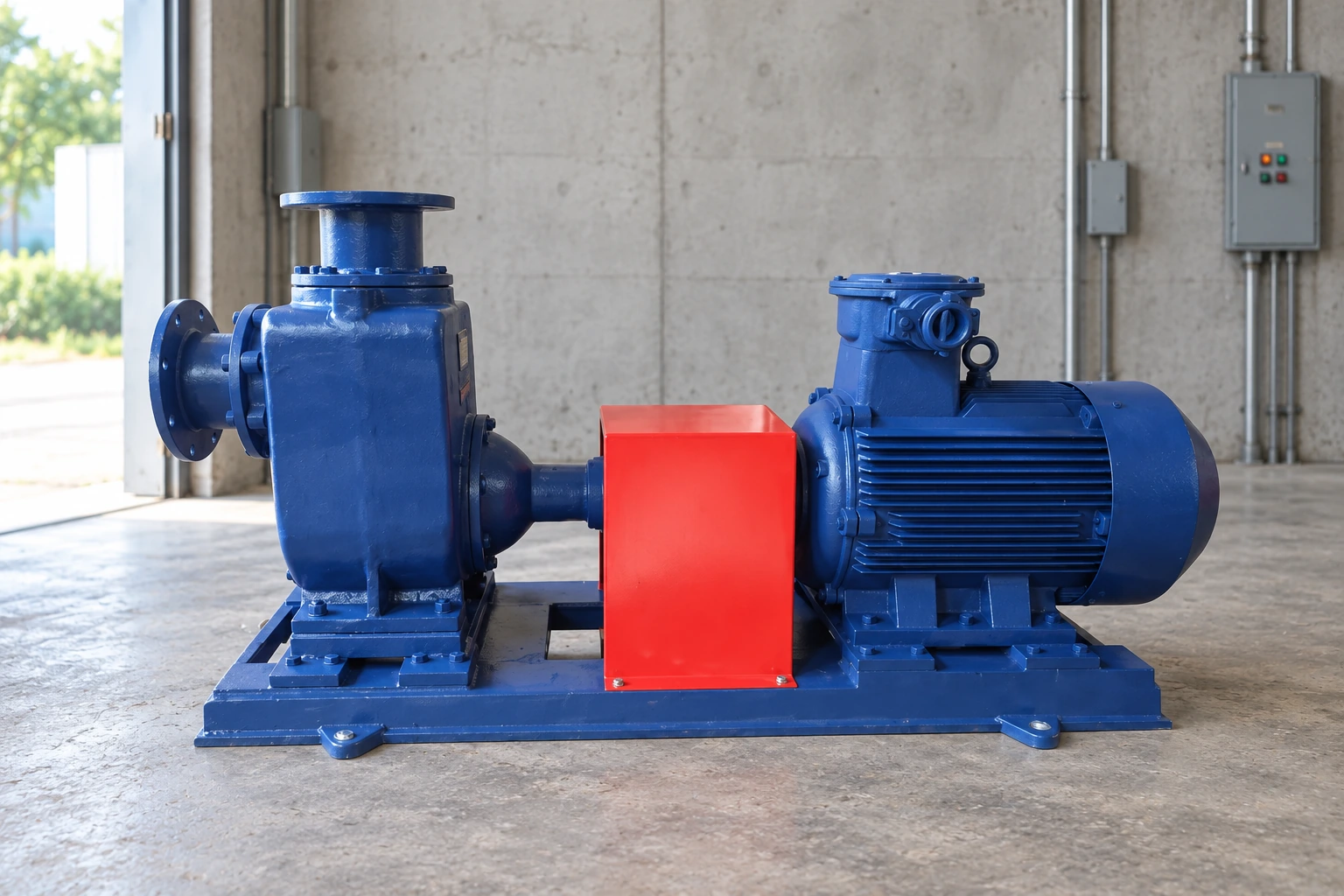
ตัดสินใจเลือกระหว่างการนำกลับมาใช้ใหม่ การเปลี่ยนชิ้นส่วน และการตรวจสอบทางวิศวกรรม
Separate factual findings from the decision. For example, a report may describe transferred metal on a particular thread length and a raised area on the seating face. The disposition then states whether replacement, approved repair or further examination is required under the governing procedure. Avoid declaring that any visible mark is harmless merely because the nut previously operated without an obvious failure.
When repair is proposed, define what geometry may change, who authorizes the work and what inspection follows it. Substituting a different nut material, modifying a locking feature or changing thread engagement is a design matter. Do not approve those changes solely on wrench fit. If the correct part cannot be confirmed, hold the assembly and send the drawing, photographs and measurements to the responsible supplier or engineer.
Reassemble to the actual pump instructions
Confirm that the accepted nut and all associated retention parts are present before assembly. Verify the specified thread preparation, tool, tightening method and locking sequence. A generic torque table cannot account for the pump’s particular thread, material, lubrication and retention design. Do not add thread adhesive, anti-seize or a different washer unless the approved instruction calls for it.
Record the finished impeller position using the stated datum, rather than a convenient unreferenced photograph. Complete the relevant checks of clearances and free movement under the equipment procedure. The nut inspection does not replace the impeller balancing assessment or the examination of impeller vane cracks. These are complementary checks of different risks, and their records should remain distinguishable.
Prepare a useful parts or repair inquiry
For an inquiry involving an ปั๊มน้ำแรงเหวี่ยงของ IS, provide the exact model and serial information before requesting a retaining component. The product family identifies a relevant pump category; it does not establish the nut dimensions, thread direction or assembly method for an individual build. Supply the original part reference and a readable photograph of the complete retention arrangement whenever possible.
Attach the measured thread details, seating-face findings, mating-shaft condition and reason for replacement. State whether the pump has been modified and whether original documentation is available. Link the findings into the รายงานการตรวจสอบบำรุงรักษาปั๊ม so purchasing receives the same information as the repair team. Use the separate bearing locknut inspection guide only for bearing retention components; it does not authorize an impeller-nut assembly method.
Further learning: fits and tolerances
The IIT Kanpur NPTEL lecture below explains engineering fits and tolerances. It supports understanding of why part identity and dimensional relationships matter. It is general education, rather than an instruction for a particular pump thread, retention device or tightening operation.

คำถามที่มักถูกถาม
น็อตล็อคปั่นเป็นน็อตล็อคแบริ่งเดียวกันหรือไม่?
No. They retain different parts of the assembly. Confirm the drawing reference, mating shaft and intended seating surface before using a procedure or ordering a replacement.
ทิศทางของเกลียวสามารถกำหนดได้จากการหมุนของปั๊มหรือไม่?
Do not use rotation alone to decide removal direction. Check the equipment drawing or approved instructions, including any locking feature that must be released first.
น็อตตัวใหม่สามารถแก้ปัญหาการเสียหายของเกลียวเพลาหรือไม่?
No. Inspect the mating shaft independently. A new nut can bind on or be damaged by a defective shaft, and it does not restore the specified engagement geometry.
สามารถใช้แผนภูมิกำลังบิดทั่วไปสำหรับการประกอบใหม่ได้หรือไม่?
Use the pump manufacturer’s approved method. Generic values do not establish the required preload or account for the actual thread condition, preparation and locking arrangement.
รายงานการตรวจสอบควรประกอบด้วยอะไรบ้าง?
Include equipment identity, part reference, thread and face findings, photographs, relevant measurements, acceptance criteria, disposition and the final assembly checks required by the pump procedure.