
Pump diffuser mating face inspection checks the stationary joints that locate adjacent stages and help separate pressure regions in a multistage pump. Record the condition before cleaning, identify the actual sealing and locating surfaces on the drawing, and compare measured geometry with the approved repair requirements. A clean-looking face alone does not establish a sound joint. Erosion tracks, damaged registers, embedded debris or an unauthorized previous skim can affect assembly. This guide explains how to prepare an inspection record and decide what needs engineering review. It supplies no universal flatness, finish, gasket thickness or machining allowance for Borra equipment.
Identify the joint before selecting the inspection method
A diffuser contains flow passages, but its joint with the next stationary component has a separate inspection purpose. Start with the sectional drawing and parts list. Mark the component numbers, stage position, orientation and mating partner. Establish which annular areas form the pressure boundary and which diameters provide location. Identify any gasket, seal ring, locating pin or other feature actually specified. Do not assume that a visible step is a sealing land or that every multistage design uses the same joint arrangement.
The EPRI pump refurbishment specification includes pressure-face damage, component fit and dimensional relationships among its equipment-specific inspection items. Its requirements illustrate the need to inspect joints alongside flow passages. They are not transferable acceptance limits for other pumps. For context on stationary hydraulic passages, consult the separate diffuser vane inspection guide; this article concentrates on the interface between components.
Preserve the evidence during safe disassembly
Record the operating complaint and maintenance history before the parts arrive at the bench. Useful information includes changes in developed head at comparable duty, unusual vibration, contamination incidents and recent assembly work. None of these symptoms identifies a defective mating face by itself. Their value is to guide questions and preserve comparisons when an apparent joint defect is found.
Disassembly belongs under the site’s isolation and lifting procedures. Consider electrical, hydraulic, thermal and chemical energy as applicable. Verify the condition required by the approved work permit before loosening a pressure boundary. The HSE pressure-systems safety guidance explains general precautions for equipment containing fluids under pressure. The pump’s instructions and site controls determine how the particular equipment is made safe.
Photograph the exposed joint before wiping it. Include a component label, orientation reference and scale outside the critical contact area. Record deposits crossing the land, localized wash paths, fretting-like marks and displaced gasket material where present. Keep loose particles and old seals identified with their location when the investigation requires analysis. Unidentified debris swept into a common tray loses much of its diagnostic value.
Clean without changing the surface being inspected
Ask which cleaning agents and tools are compatible with the component material, coatings and seal arrangement. Use the approved process and protect identification marks. The aim is to expose condition while retaining the geometry under investigation. Aggressive abrasive cleaning can remove the high spots, scratches or residues that explain how the joint was contacting.
Separate cleaning from repair. A technician should not stone a face flat, lap it against another component or blend an erosion groove simply to make it look serviceable. Those actions remove material and can alter an axial dimension. Record the initial condition, obtain the required disposition, and document any authorized material removal. If earlier work has already changed the face, report that limitation instead of recreating a guessed original condition.
Map defects across the complete mating pair
Inspect both sides of the joint under suitable lighting. Divide the face into identifiable sectors and reference locations to a drawing feature. Describe the length, width and position of each visible mark. Distinguish observed appearance from the proposed mechanism: a narrow washed track may be consistent with leakage, but its origin needs comparison with the mating face, seal and operating history.
Check the transitions into registers, bolt holes and reliefs where present. A raised burr can disturb contact even when most of the annular face appears undamaged. A damaged register can mislocate the pair without a dramatic defect on the flat land. Record the partner component’s condition in the same inspection package so that the reviewer can examine the joint as an assembly rather than two unrelated photographs.
| Gözlem | Evidence to capture | Question for the repair review |
|---|---|---|
| A track crossing the sealing land | Location, extent, partner-face condition and retained deposits | Does the approved repair restore the pressure boundary? |
| Local raised material near an edge | Close view and height assessment using an appropriate method | Is removal permitted without changing the required geometry? |
| Uneven contact appearance | As-found marks and the specified contact-check method | Is the pattern caused by face condition, location or assembly? |
| A damaged locating register | Diameter readings, location and matching register condition | Can the pair retain the required alignment after repair? |
| Uncertain previous machining | Dimensions, repair stamps and available earlier reports | Is enough material and axial allowance left for the proposed work? |
This table is an inspection-planning aid, not a list of defect acceptance limits. Apply the drawing and approved repair specification to each finding.
Choose measurements that answer a defined question
Write the measurement question before selecting an instrument. A straightedge check can reveal a local issue, but it does not automatically establish complete surface geometry. A face-runout measurement depends on the datum and support arrangement. A contact pattern depends on the checking medium, assembly condition and interpretation method. Use the method called for by the approved inspection plan and retain enough information for another inspector to reproduce it.
Record the instrument identity, calibration status, measurement positions, fixture and component temperature when relevant. Keep individual readings rather than only an overall pass statement. Define the datum on the drawing and explain how the bench setup represents it. If the datum surface is damaged or unavailable, escalate that condition before assigning precise geometric conclusions to an uncertain reference.
cURL Too many subrequests by single Worker invocation. To configure this limit, refer to https://developers.cloudflare.com/workers/wrangler/configuration/#limits cURL Too many subrequests by single Worker invocation. To configure this limit, refer to https://developers.cloudflare.com/workers/wrangler/configuration/#limits. cURL Too many subrequests by single Worker invocation. To configure this limit, refer to https://developers.cloudflare.com/workers/wrangler/configuration/#limits.
cURL Too many subrequests by single Worker invocation. To configure this limit, refer to https://developers.cloudflare.com/workers/wrangler/configuration/#limits
cURL Too many subrequests by single Worker invocation. To configure this limit, refer to https://developers.cloudflare.com/workers/wrangler/configuration/#limits.
cURL Too many subrequests by single Worker invocation. To configure this limit, refer to https://developers.cloudflare.com/workers/wrangler/configuration/#limits.
cURL Too many subrequests by single Worker invocation. To configure this limit, refer to https://developers.cloudflare.com/workers/wrangler/configuration/#limits.
cURL Too many subrequests by single Worker invocation. To configure this limit, refer to https://developers.cloudflare.com/workers/wrangler/configuration/#limits
cURL Too many subrequests by single Worker invocation. To configure this limit, refer to https://developers.cloudflare.com/workers/wrangler/configuration/#limits.
A useful purchasing package contains the pump identity, component and stage numbers, drawing revision, material information when verified, photographs and measurement sheets. Add the repair scope, required inspection records and acceptance authority. If a replacement diffuser is proposed, ask the supplier to confirm compatibility with its actual partners and the complete pump assembly. Similar external dimensions are not sufficient evidence of interchangeability.
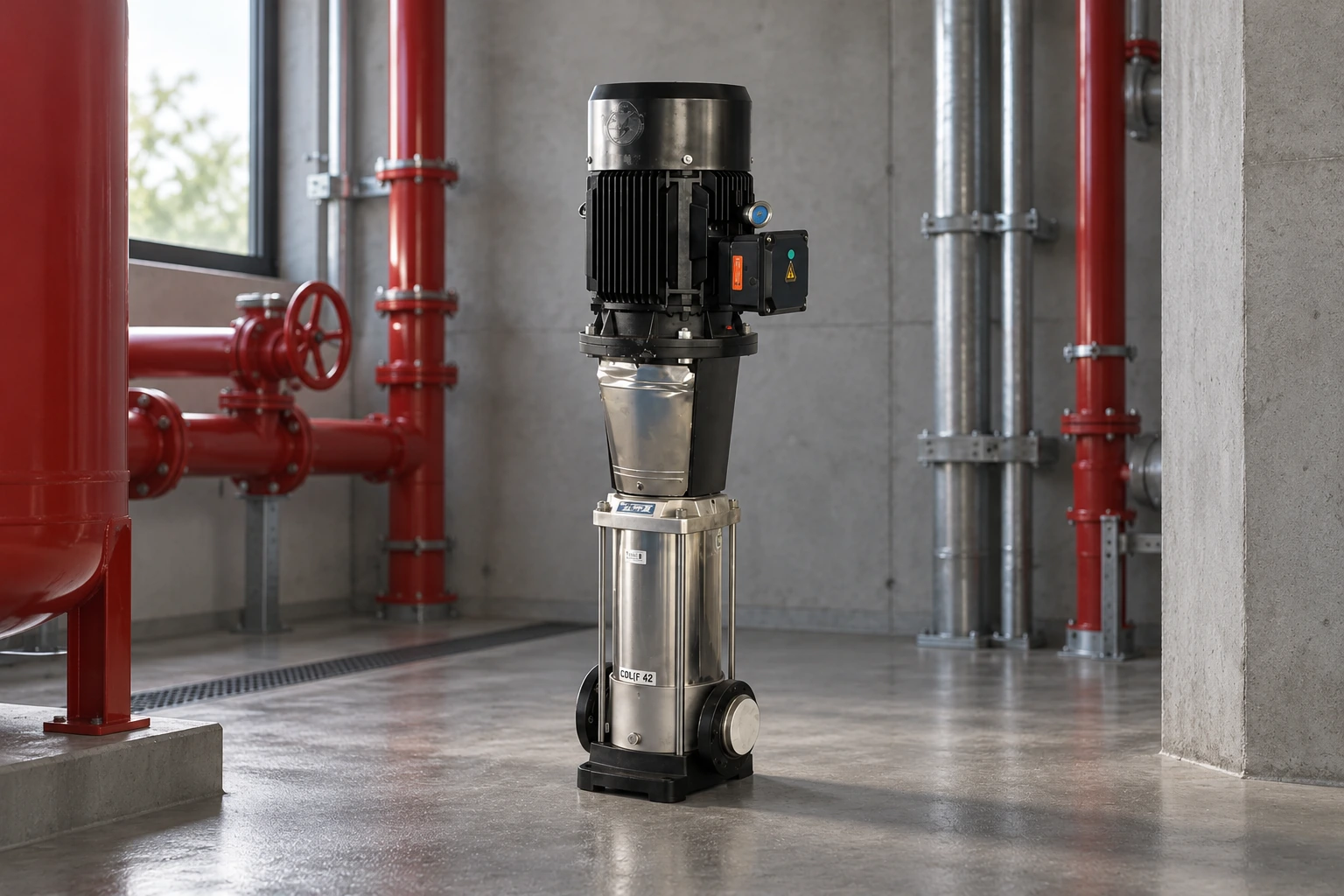
Borra’s vertical multistage jockey pump page provides a relevant product context for multistage water systems. The external product images accompanying this guide do not identify internal diffuser joints or demonstrate a completed repair. Request model-specific documents before using any inspection recommendation on a particular unit.
The broader centrifugal pump inspection report guide explains how to combine these records with the rest of an overhaul.
Keep a traceable handover after inspection
The final report should connect each finding to an action. Use distinct fields for as-found condition, engineering disposition, work performed and final verification. Attach the actual readings and photographs. If an item is accepted without repair under an approved concession, identify that approval rather than hiding the condition behind a general statement that the pump has been overhauled.
After assembly, follow the specified checks and commissioning plan. Operating observations can confirm whether the reported complaint has changed, but they do not replace an omitted joint inspection. Compare duty information under reasonably comparable conditions and retain the new baseline. A useful repair record helps the next outage distinguish a recurring interface problem from a new operating issue.
For education on dimensional fit terminology, the accompanying IIT Kanpur NPTEL lecture discusses limits, fits and tolerances. It is background learning and supplies no diffuser-specific acceptance values. Use the pump drawing and approved procedure to make the actual acceptance decision.
Sık sorulan sorular
Is a diffuser mating face the same as a diffuser vane?
No. The mating face belongs to the stationary component interface. Vanes form hydraulic passages. Their damage can be related, but each needs an identified inspection scope and acceptance basis.
Can a washed track be removed with hand polishing?
Only under an approved repair process. First record its location and extent, inspect the partner surface, and establish whether the proposed work can restore the joint without compromising dimensions.
What flatness limit should the shop use?
Use the applicable drawing or approved repair specification. A general guide cannot supply a universal flatness limit for different materials, joint arrangements and pump models.
Should the original gasket be reused for a contact check?
Follow the specified checking and assembly procedure. Preserve the old gasket as evidence when useful, but do not assume its compressed condition represents the correct final assembly condition.
What is the minimum useful inspection report?
Include component identity, orientation, drawing revision, as-found photographs, defined measurement locations, individual readings, disposition and final verification. Identify unresolved requirements and the person authorized to close them.