
Suction lift describes the situation where the liquid surface sits below the pump, so the pump must draw liquid upward through the suction line before it can deliver anything. A self-priming pump is built to re-establish that condition within stated limits…
Doğrudan Cevap
Self priming pump suction lift is a project design input: physics sets a hard ceiling for any surface pump, and the manufacturer’s verified data for the specific model, not a rule of thumb, defines what is achievable at a specific site. This article is a project-review aid for contractors, engineers, distributors, and procurement teams. It does not replace an engineer, an authority, a commissioning plan, or the equipment manufacturer’s verified documentation.
1. What Suction Lift Means
Suction lift describes the situation where the liquid surface sits below the pump, so the pump must draw liquid upward through the suction line before it can deliver anything. A self-priming pump is built to re-establish that condition within stated limits, but the limits belong to the specific model and the specific site. Two installations with the same pump can behave differently because their liquids, altitudes, and suction lines differ.
The purpose of this article is to name the inputs a project team collects, and the review items on the suction side, so the achievable lift is verified against manufacturer data instead of assumed.
2. Why the Usable Limit Is Project-Specific
Atmospheric pressure is what pushes liquid up the suction line, so the site’s altitude bounds the available driving pressure. The liquid’s temperature and vapor pressure decide how close the pump can operate to that bound before vapor forms. The suction line’s length, diameter, fittings, strainer, and condition consume part of the margin as losses. Air leaks reduce or destroy the pump’s ability to prime at all.
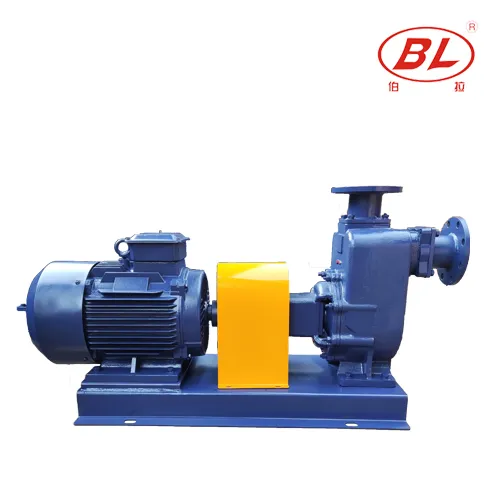
None of these factors is a catalog constant. That is why a responsible selection asks the manufacturer to confirm the duty at the documented site conditions, and why a number quoted without conditions attached is not usable evidence.
3. Design Inputs to Collect Before Selection
Collect the following as documented values with sources, not estimates made at the desk.
| Design input | Ne kaydedilmeli |
|---|---|
| Vertical lift | The measured distance from the lowest expected liquid surface to the pump centerline. |
| Liquid data | Temperature range, solids content, and chemistry from project documents or sampling. |
| Site altitude | The installation elevation, from project or survey data. |
| Suction line | Length, diameter, material, fittings, and the planned route. |
| End arrangement | Strainer, foot valve, or open end, as the design intends. |
These inputs travel with the inquiry and appear again at commissioning, when the as-built line is compared with what was assumed.
4. Suction Line Review Items
Most field problems attributed to the pump begin in the suction line. Review it as its own system: joints and gaskets that must be airtight, a continuous rise toward the pump without high points that trap air, support that prevents sagging and strain on the pump connection, a strainer selected for the liquid actually present, and protection against mechanical damage where the line crosses traffic or work areas.
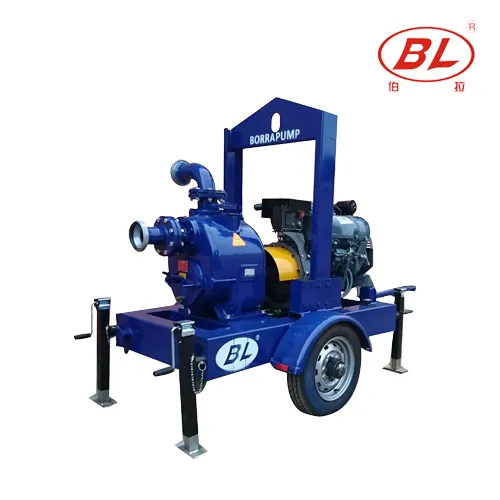
At startup and during service visits, the same list is walked again, because a line that was tight at commissioning can loosen, clog, or be altered by later site work.
5. Verify Against Manufacturer Data, Not Rules of Thumb
The table below contrasts common shortcuts with the review-grade alternative.
| Shortcut to avoid | What to use instead |
|---|---|
| Quoting a universal lift figure for all pumps. | The manufacturer’s verified data for the specific model at the documented site conditions. |
| Reusing a suction design from another site. | A design checked against this site’s altitude, liquid, and line route. |
| Judging priming time by patience. | The manufacturer’s stated priming behavior for the model and installation. |
| Compensating leaks by refilling more often. | Finding and correcting the air leak, then re-verifying the installation. |
6. Procurement Data for Suction-Lift Duties
An inquiry for a suction-lift duty should carry the vertical lift and its measurement basis, the liquid data, the altitude, the suction line description, the duty flow and head with their source, the driver and power data, and the documents required. Ask the supplier to state the conditions behind any lift or priming figure quoted, so the project can hold the claim against the as-built installation.
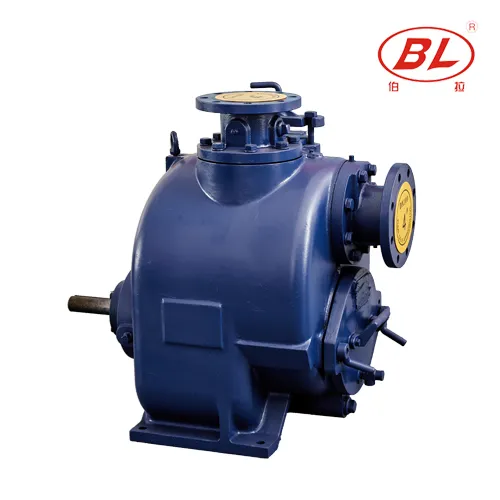
Şuna bak BORRAPUMP Kendinden Emişli Pompa kılavuzu ilgili kaynaklar için veya BORRAPUMP ile iletişime geçin bir paket tartışması için kontrol edilen proje verileriyle.
7. Fit and Compliance Boundary
This article does not certify a system, does not size equipment, and does not claim approval to any named standard, listing, or local authority. It is a review aid. Final selection, installation, testing, and acceptance require the current project documents, responsible professionals, the applicable authorities, and the manufacturer’s verified data for the specific equipment supplied.
SSS
Kendinden emişli bir pompanın maksimum emiş yüksekliği nedir?
There is no universal figure worth designing to. Physics bounds all surface pumps, and the achievable value for a specific model at a specific site comes from the manufacturer’s verified data.
Emiş yüksekliği için rakım neden önemlidir?
Atmosferik basınç, sıvıyı emme hattı boyunca yukarı iter ve yükseklikle birlikte düşer; bu nedenle aynı pomp ve hat, daha yüksek bir konumda daha az kaldırma yüksekliği elde eder.
Sıvı sıcaklığı elde edilebilir kaldırma kuvvetini değiştirir mi?
Evet. Daha sıcak sıvı, daha yüksek buhar basıncına sahiptir; bu da buhar oluşmadan önceki kullanılabilir payı azaltır. Sıvı sıcaklığı aralığı sorgulamaya dahil edilmelidir.
Bir pompa hazırlanmadığında (su çekmediğinde) ilk olarak ne kontrol edilmelidir?
The suction line: air leaks at joints, trapped air at high points, a blocked strainer, and the liquid level against the documented lift. Then consult the manual and record findings.
Is a foot valve always required?
No. The end arrangement is a design decision that depends on the duty, the liquid, and the manufacturer’s guidance for the model. Follow the project design and the manual.
Can a longer suction hose be added later without review?
No. Length, diameter, and route changes alter the losses and can move the duty outside verified limits. Route changes through engineering review before making them.