
Submersible pump thermal protection helps detect overheating but must remain connected and configured as specified. Submersible pump overheating should be investigated as a fault in the installed pump, cooling conditions, electrical supply or hydraulic duty. A thermal trip is evidence that protection has operated; it does not identify the cause. Stop repeated resets, record the alarm and operating conditions, and follow the approved isolation procedure before inspection. Confirm the model’s permitted liquid temperature, minimum operating level, duty and protection requirements. A pump described as submersible is not automatically approved to run partly exposed or dry.
Identify which protection actually operated
Obtain the controller indication and alarm sequence before clearing the fault history. A motor overload, an internal thermal sensor, a supply fault and a leakage alarm may require different investigations. Operators sometimes describe all of them as overheating because the pump stopped and later restarted. Confirm the device involved and how its signal is interpreted by the installed controls.
The Borra WQ submersible sewage pump provides the exterior reference for the photographs in this article. The product image cannot prove that a particular thermal sensor, cooling arrangement or control feature is supplied. Request the exact model’s manual, connection information and permitted operation before choosing protective settings or interpreting an alarm.
Make the station safe before diagnosis
A stopped unit may be able to restart automatically when a level device operates or a temperature signal resets. Follow the site isolation procedure and account for every possible supply and control source. Stored pressure and suspended-load hazards also matter when lifting or disconnecting equipment. Do not touch an exposed conductor or reach into a pump because its motor is currently quiet.
The US hazardous-energy control requirements explain the isolation principle within their scope. Electrical testing and intrusive mechanical work should be performed by personnel qualified for the task. The applicable local rules, station arrangements and equipment instructions determine the actual method.
Organize the fault evidence
| Gözlem | Potential area to investigate | Evidence needed |
|---|---|---|
| Trip after a long run at low level | Cooling or minimum operating level | Actual level, liquid temperature and the model’s limits |
| Repeated short runs | Excessive cycling or level-control issue | Start history, usable storage and permitted starting duty |
| Abnormal current or imbalance | Supply, connection, loading or motor condition | Qualified electrical measurements and supplied motor data |
| Changed flow or pressure | Hydraulic duty, restriction or wear | Operating readings compared with the curve and baseline |
| Noise, vibration or obstruction | Mechanical drag or hydraulic fault | Safely obtained inspection findings |
| Thermal indication without corroborating symptoms | Sensor or control interpretation | Wiring and controller checks using the actual documentation |
The table narrows the investigation; it does not diagnose a motor remotely. The Department of Energy pumping-system sourcebook supports checking the complete pumping system rather than treating every symptom as a failed pump.
Confirm cooling and minimum operating level
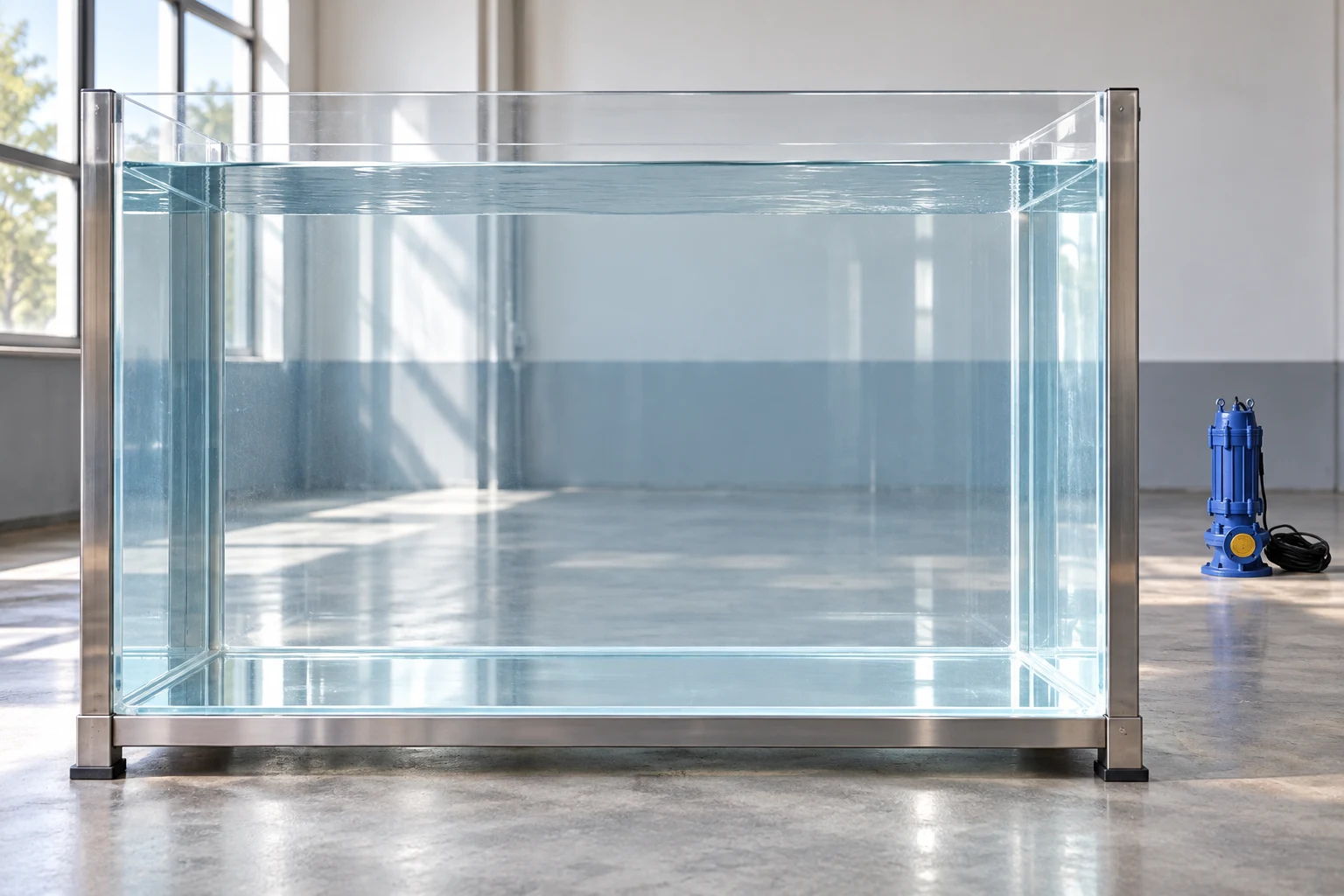
Different submersible designs use different cooling arrangements. Some depend on surrounding liquid, some have a defined cooling jacket and others have additional arrangements for specified duties. Obtain the actual design limits rather than assuming a photograph or a general product name establishes how heat is removed. Check the liquid conditions at the time of the trip, not only the normal level after the well has refilled.
Review the start and stop levels, sensor positions and any situation that allows continued operation after the normal stop point. Deposits or obstructions can prevent level devices from moving or reading correctly. The float-switch placement guide helps collect these observations. Do not raise or lower settings arbitrarily without reviewing station storage, cycling and the approved pump operation.
Review starting frequency and available storage
Frequent starts can add thermal stress, but there is no universal starts-per-hour limit for every submersible motor. Check the supplied duty and starting limits, then compare with the actual event history. A pump that repeatedly starts for a very short run may indicate inadequate usable storage, an inappropriate control sequence or a faulty level device. Record the pattern across a representative operating period.
In a duplex station, confirm alternation and assist behavior. One unit may be taking most of the starts because the other is unavailable or its control is misconfigured. Use the duplex pump control guide to structure the review. Changing an alternation timer does not correct an underlying fault or establish an acceptable starting duty.
Have the supply and motor loading checked
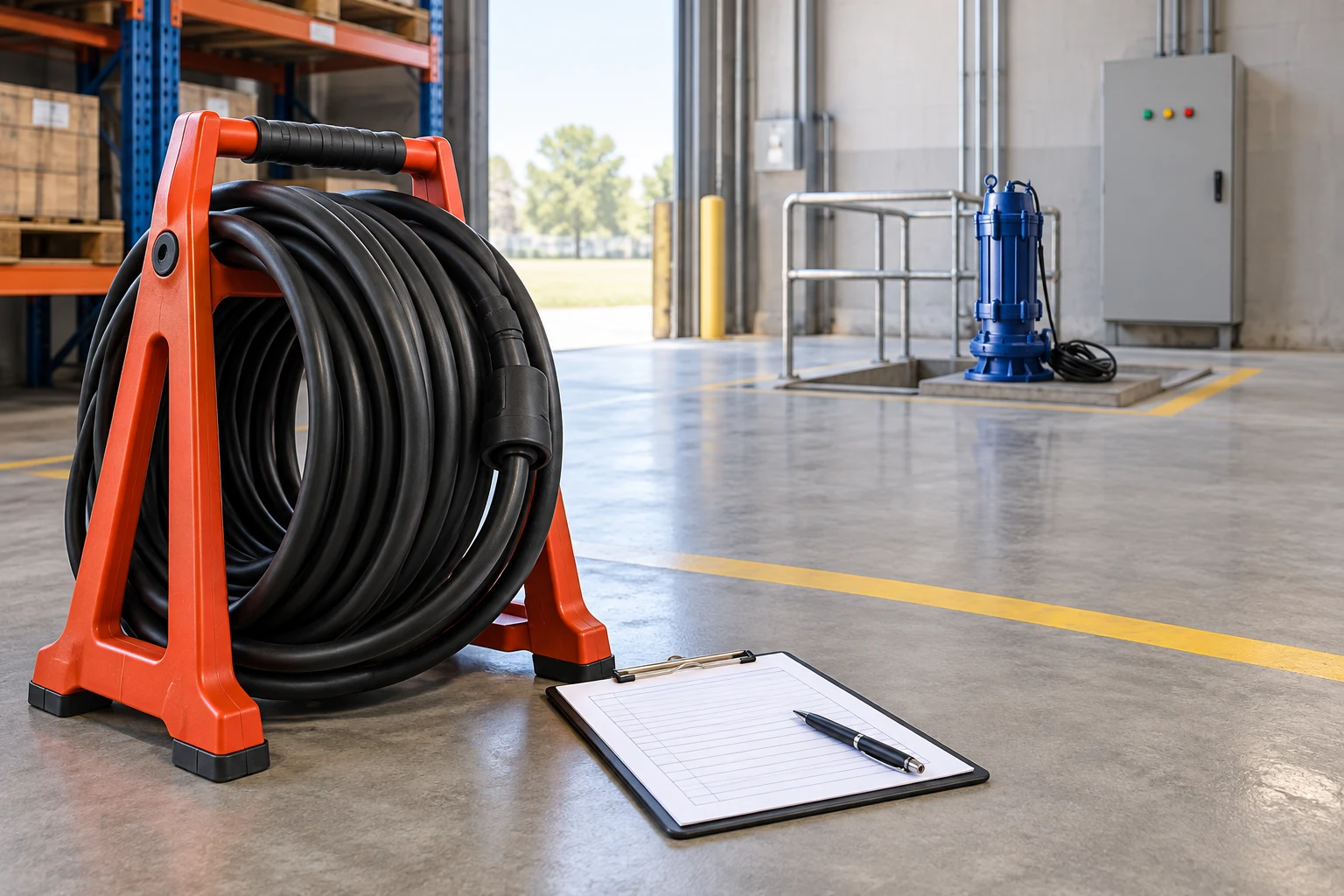
A qualified electrician should assess the installed supply, connections and protective settings against the motor documentation. Record the relevant readings under understood operating conditions. Cable condition, connection defects and supply behavior may contribute to a fault, but they cannot be evaluated from a pump’s case temperature alone. Do not prescribe a universal acceptable voltage drop or imbalance without the applicable equipment limits.
Keep the measured electrical input separate from the nameplate rating. A rating describes a specified equipment characteristic; it is not a measurement of current operation. Preserve the time relationship between supply measurements and the alarm. A reading taken on a later quiet day may not capture the condition that caused an intermittent trip.
Check the hydraulic operating point
Compare flow, discharge pressure, station levels and the available pump curve. Changes in the force main, valve position, speed or downstream conditions can move the operating point. The effect on required power depends on the actual pump curve; do not assume that every low-flow condition or every high-flow condition affects all designs in the same way. Review the manufacturer’s permitted operating region.
The sewage pump sizing guide connects the duty to flow and head. If variable speed is used, check the relevant speeds and control logic with the supplier. A motor chosen for one operating point may not be appropriate for an unapproved changed duty, and low-speed operation may have additional cooling requirements.
Investigate blockage and mechanical condition safely
Obstruction, bearing damage or contact between rotating and stationary parts can create abnormal operation. After approved isolation and lifting, inspect according to the service instructions. Record the material found and the condition of accessible wear components. Do not force the shaft, bypass protection or repeatedly attempt to restart in order to “clear” an obstruction unless an approved procedure explicitly permits the action.
The clogging prevention guide explains why repeated debris incidents need a station-level response. If overheating recurs after cleaning, continue the investigation instead of assuming the removed material was the complete cause. A repair should address the evidence and be followed by an appropriate return-to-service check.
Understand the limits of an exterior thermal image
A thermal camera can show patterns on accessible surfaces under known conditions. It does not directly measure every internal winding temperature, and the reading can be influenced by surface condition, reflections and the instrument’s settings. A disconnected pump photographed on a dry bench is an inspection illustration, not evidence of its permitted operating temperature.
Use thermal observations alongside the installed protective signals, electrical readings and operating history. Compare like conditions when looking for a trend. Do not turn a single picture into a pass or fail criterion unless the actual maintenance procedure defines that measurement, method and limit.
Return the unit to service with evidence
Document the diagnosed cause, corrective work and any changed settings. Verify that the protective arrangement is restored as specified. During the approved test, record the relevant levels, duty, electrical readings and alarm behavior. The duration and conditions of the test should be sufficient for the responsible technician’s acceptance decision; a brief restart alone may not reproduce the previous fault.
Review the station after an agreed monitoring period. Preserve the earlier alarm pattern and compare it with the new record. If the trip returns, escalate with the full evidence rather than continuing resets. This helps the supplier distinguish intermittent electrical behavior, cooling limitations, an unsuitable duty and a component defect.
Check the quality of the fault record
Keep the original readings, units and measurement method with the service report. State whether the pump was running, cooling or isolated when each observation was made. Record which values came from the controller and which were measured independently. This prevents a displayed estimate, a nameplate value and a site measurement from being treated as equivalent evidence. When results disagree, resolve the method and conditions before changing settings or purchasing replacement equipment. A supplier can make a better recommendation from a short accurate record than from many measurements with missing context.
Learning resource
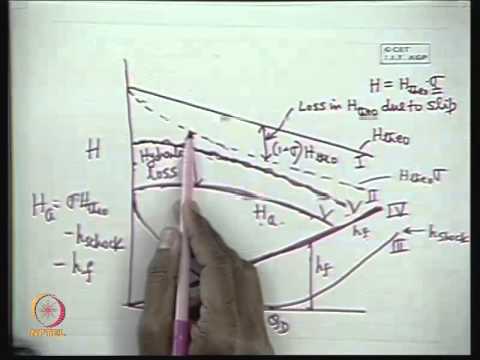
NPTEL’s lecture on centrifugal pump characteristics explains the hydraulic operating point. It helps with the duty portion of an overheating investigation, while electrical and thermal diagnosis must use the model documentation and qualified testing.
Sık sorulan sorular
Can I keep resetting a thermal trip?
No. Establish the cause and follow the fault response; repeated resets can expose equipment to further damage.
Can every submersible pump run partly uncovered?
No. Minimum level and cooling requirements depend on the exact design and approved duty.
Does a hot case prove a winding fault?
No. Temperature observations need context, and a case reading alone does not establish the internal condition.
What should I send the supplier?
Send the model, alarm history, operating levels, liquid conditions, hydraulic readings, electrical test results and work already completed.