
Replace a sump pump based on condition, duty, reliability risk, and test results—not a universal calendar interval. Age matters because materials and electrical components deteriorate, but site conditions vary widely. A pump exposed to frequent starts, sediment, corrosion, dry running, blocked discharge, poor voltage, or continuous high inflow can fail early. A lightly used unit can still be unreliable if it has never been tested. Inspect and function-test the complete system regularly, and plan replacement before failure when flooding consequences are high.
Bài viết này là cẩm nang hướng dẫn chẩn đoán và mua sắm thực tế, không thay thế cho hướng dẫn của nhà sản xuất máy bơm, thiết kế hệ thống được phê duyệt, các quy định hiện hành về điện và hệ thống nước, hay dịch vụ kỹ thuật có chuyên môn tại công trình. Phải cô lập nguồn năng lượng và áp suất trước khi mở thiết bị. Các công việc liên quan đến giếng khoan, nâng hạ, không gian hạn chế, nước thải, khu vực điện ẩm ướt và kiểm tra khi có điện đòi hỏi nhân sự có năng lực và các biện pháp kiểm soát dành riêng cho từng công việc.
Why a fixed replacement interval is unreliable
Published year ranges rarely state runtime, starts, water chemistry, basin cleanliness, motor cooling, maintenance, or what counts as failure. Primary and backup pumps also age differently. Calendar age is useful for risk planning and parts availability, but it does not prove capacity or condition. Keep the installation date, model, curve, duty, repairs, test results, runtime, starts, and alarm history. Use the manufacturer's inspection and service guidance as the baseline, then shorten review intervals when the basement, equipment, or occupancy makes failure especially costly.
Test whether the pump still performs
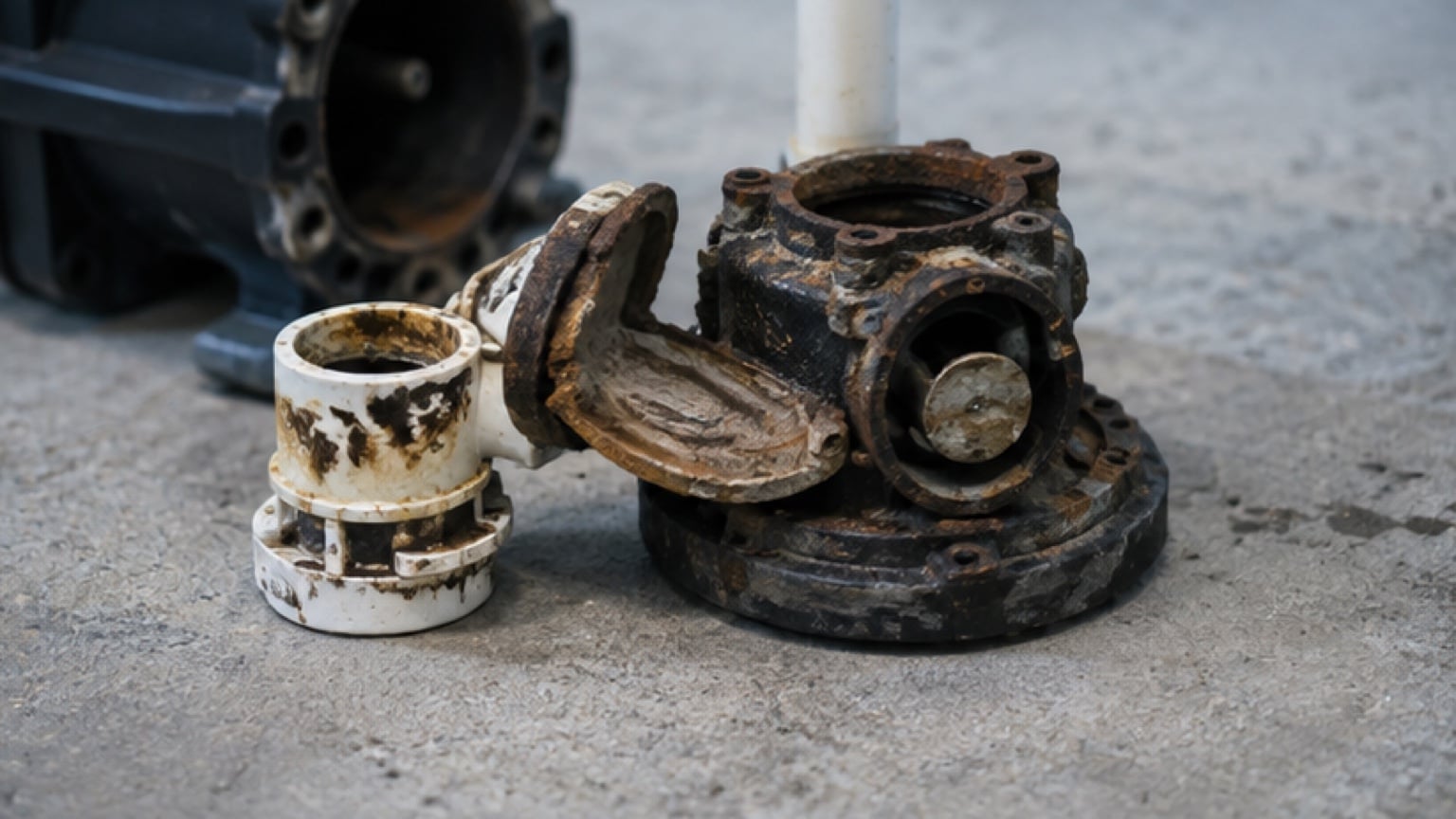
A controlled test should confirm that the float or sensor moves freely, the pump starts at the intended level, delivered flow lowers the basin, the pump stops correctly, the check valve closes, the outlet remains open, and the alarm and backup respond. Record drawdown time under a repeatable fill volume or level difference. Listen for changed sound and inspect isolated equipment for corrosion, cracked cable, damaged plug, leakage, debris, loose fittings, or a sticking switch. Never reach into a live or contaminated basin.
Watch for replacement indicators
Replace or obtain professional assessment when the pump cannot keep up with known inflow, drawdown becomes slower under comparable conditions, starts or stops unreliably, trips protection, overheats, leaks, vibrates, grinds, shows severe corrosion, has damaged electrical components, or lacks repair parts. Repeated emergency repairs and uncertain history raise risk. A failed check valve, blocked outlet, poor float location, or undersized basin may be the true cause; correct those conditions so a new pump is not exposed to the same failure.
Bảng quyết định
| Finding | Response | Replacement implication |
|---|---|---|
| Stable drawdown and controls | Continue documented monitoring | Age alone may not justify immediate change |
| Slow drawdown at same conditions | Check blockage, head and wear | Replace if pump capacity is degraded |
| Severe corrosion or electrical damage | Remove from unsafe service | Plan prompt replacement |
| High flood consequence | Strengthen alarm and backup | Use preventive risk threshold |
Match the replacement to the real duty
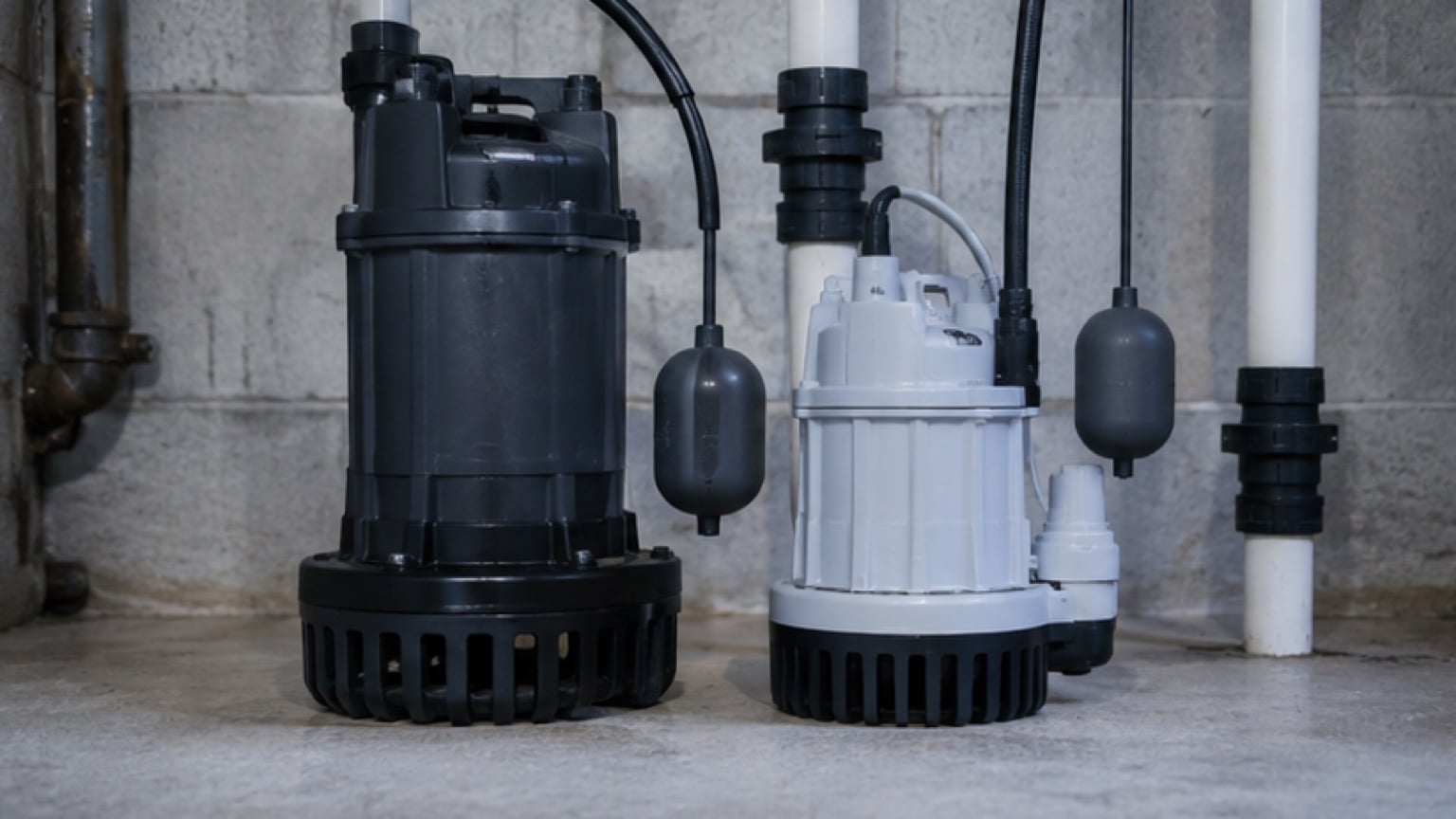
Measure vertical lift, discharge length and diameter, fittings, valves, outlet condition, required flow, solids, basin dimensions, level settings, voltage, phase, duty cycle, and environmental exposure. Plot the duty on the new pump curve and confirm power, motor cooling, minimum submergence, connection size, check valve, controls, and removal access. More horsepower is not automatically safer. An oversized pump can short-cycle, while a small passage can clog in the wrong liquid. Use a sewage or solids-handling design when the basin service requires it.
Plan backup and power-loss response
Where flooding consequences are material, review a second pump, independent high-level alarm, battery or generator arrangement, remote notification, emergency storage, and a clear response procedure. Backup capacity must be tested under the actual head and maintained; a battery label alone does not establish runtime. Confirm charger, battery age and condition, transfer or control logic, check valves, and separate failure modes. The primary and backup should not both depend on one untested outlet or one inaccessible alarm.
Document replacement and commissioning
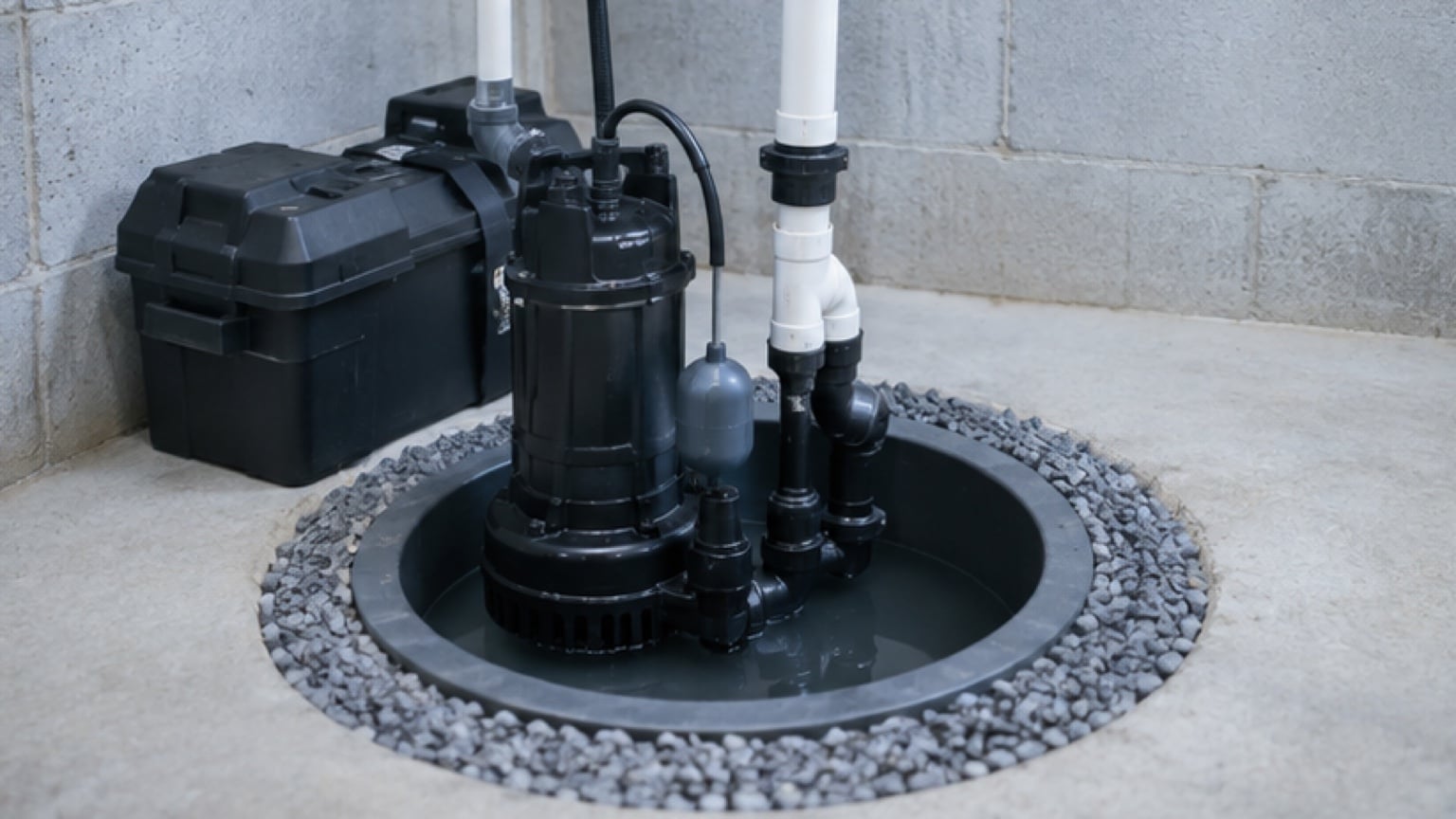
Before removal, save the old model, condition, failure evidence, wiring, pipe arrangement, level settings, and photos. After installation, verify electrical protection, grounding, float clearance, valve direction, leaks, drawdown, stop level, check-valve closure, alarm, backup, and discharge destination. Record flow estimate, head basis, voltage, current where qualified, runtime, starts, and warranty information. Dispose of contaminated equipment appropriately. The new baseline lets later inspections show whether the system is changing.
System selection, evidence, and procurement record
Bơm hố thu hoặc bơm nước thải hoạt động như một phần của hệ thống thu gom. Hãy xem xét đồng thời đường dòng chảy vào, thể tích bể chứa, các cao độ tắt bơm, bật bơm và mức cao, ống xả, van một chiều, van cách ly, vị trí đầu ra, nguồn điện, thiết bị báo động, hệ thống dự phòng và tuyến đường tháo dỡ an toàn. Bơm phải phù hợp với chất lỏng và chất rắn thực tế; bơm hố thu nước trong, bơm ép nước thải và bơm nghiền rác không phải là các tên gọi có thể thay thế cho nhau. Xác nhận xem động cơ có phụ thuộc vào chất lỏng xung quanh để làm mát hay không và các bộ điều khiển có duy trì độ ngập tối thiểu đồng thời tránh hiện tượng bật tắt liên tục nhanh hay không.
Điều kiện hiện trường làm thay đổi câu trả lời. Lượng mưa, nước ngầm, các kết nối thoát nước, tình trạng sử dụng tòa án, các hạn chế ở hạ lưu, các cửa xả bị đóng băng hoặc tắc nghẽn, mất điện và các quy định xả thải địa phương đều có thể chi phối hiệu suất. Một cuộc kiểm tra hữu ích sẽ ghi lại thời gian chạy, số lần khởi động, thời gian hạ mực nước, lưu lượng dòng vào ước tính, hành vi xả thải, việc đóng van, chuyển động điều khiển mực nước, chức năng báo động, tiếng ồn, độ rung, sự rò rỉ, ăn mòn, tình trạng cáp và cặn bẩn. Không làm việc trong bể chứa ẩm ướt, không gian hạn chế hoặc tủ điện đang có điện nếu không có đủ nhân sự đủ điều kiện và các quy trình theo yêu cầu của hiện trường.
Đối với việc thay thế hoặc lắp đặt mới, hãy gửi cho nhà cung cấp mô tả chất lỏng, chất rắn lớn nhất dự kiến, lưu lượng vào bình thường và khẩn cấp, tổng cột áp động, bản vẽ bể chứa, cài đặt mức, tuyến đường ống, điện áp và pha, chu kỳ làm việc, yêu cầu báo động và dự phòng, môi trường lắp đặt, giới hạn tiếp cận, điểm đến và các phê duyệt bắt buộc. Yêu cầu một phạm vi hoàn chỉnh bao gồm máy bơm, hệ thống dẫn hướng hoặc nâng, phụ kiện xả, van, bộ điều khiển, cảm biến, cáp, thiết bị bảo vệ, tài liệu thử nghiệm, phụ tùng và hỗ trợ vận hành. Giữ lại đường cong đã được phê duyệt và các chỉ số khởi động cùng với hồ sơ bảo trì. Một máy bơm hoạt động chưa được chấp nhận hoàn toàn cho đến khi các bộ phận kiểm soát mức, báo động, phản hồi dự phòng, van một chiều, đường xả và khả năng tháo dỡ an toàn cũng đã được chứng minh.
How this topic connects to BORRAPUMP equipment
This guide supports early review of how often to replace sump pump applications. It does not assign a final model. Send the liquid, flow range, total head, source and destination levels, solids, duty cycle, power, controls, site conditions, quantity, destination, and required approvals so equipment can be checked against the real service.
Related BORRAPUMP engineering guides
Authoritative sources and further learning
Bản đồ lũ lụt và rủi ro của FEMA; An toàn điện OSHA; Kiểm soát năng lượng nguy hiểm theo tiêu chuẩn OSHA. These sources provide general engineering, water, environmental, or safety context; current local rules, approved designs, and equipment instructions remain controlling.
Educational video by Practical Engineering: Máy bơm tạo ra áp suất hay lưu lượng?.
Các câu hỏi thường gặp
How many years does a sump pump last?
No universal number is reliable. Duty, starts, liquid, environment, installation, and maintenance strongly affect life.
Should I replace a pump that still runs?
Use condition, test performance, reliability needs, consequence of failure, history, and parts support.
What should be tested after replacement?
Start/stop levels, drawdown, valve closure, alarm, backup, leaks, protection, and discharge route.
Does a backup pump remove the need for maintenance?
No. Its battery or power source, controls, valve, capacity, and alarm need separate tests.
Final checkpoint
Before changing equipment or settings, reconcile the actual duty and site conditions with the approved curve, drawings, materials, power, controls, protection, installation, testing, and maintenance access. Record remaining assumptions and assign responsibility for closing them. Preserve the final readings and documents as the baseline for future inspection.
A useful handover also states what was not tested, which assumptions still depend on site confirmation, and when the next inspection is due. Identify the person responsible for water-level, pressure, flow, electrical, alarm, and maintenance records. Keep photographs and instrument details with the results. If a later reading is taken at a different valve position, source level, speed, pressure setting, or demand, label that difference before comparing trends. This simple discipline prevents a normal operating change from being mistaken for damage and prevents real deterioration from being dismissed as normal variation. When safety, sanitation, water supply, or property damage is at stake, define the temporary protection and escalation route before returning the system to unattended service.
Use the first verified operating record as a baseline, then compare future checks under the closest practical conditions. Note weather, liquid level, demand, valve positions, speed, filter condition, and any temporary hose or bypass. Confirm that gauges and meters have an appropriate range and that readings are taken from the same locations. A change in one number should trigger a review of connected evidence rather than an immediate part replacement. If the pump, motor, control, tank, valve, pipe, or source is changed, update the drawing and selection record. This keeps maintenance decisions tied to the real system and gives suppliers enough context to evaluate a warranty question, replacement, or operating adjustment without starting the investigation from zero.