
The main types of well pumps are shallow-well jet pumps, deep-well jet pumps, and submersible well pumps, with vertical turbine pumps used for many larger-capacity or larger-diameter installations. The correct type depends on pumping water level, required flow, total dynamic head, well diameter, water quality, power, installation access, and the well's sustainable yield. Well depth alone does not select the pump. Use a recent well record and pumping test, calculate head from the pumping water level, and confirm the duty point on the manufacturer's curve before choosing equipment.
هذا الدليل هو إطار هندسي ومشتريات مبكر، وليس بديلاً عن تصميم المشروع المعتمد، أو اللوائح الحالية، أو تعليمات الشركة المصنعة، أو إشراف الموقع المؤهل. تتطلب الأعمال الكهربائية، والاختبارات تحت الجهد، والرفع، والعمل في الأماكن المغلقة، وأعمال الحماية من الحريق، والحفر، والسوائل الخطرة، ومياه الصرف الصحي، والأنظمة المضغوطة إجراءات خاصة بالمهمة وأفراداً أثبتا كفاءتهم. حافظ على الحماية التلقائية وتوفر النظام أثناء التحقيق في الأعطال. إذا كان السائل الفعلي، أو الواجب، أو حالة الموقع، أو المتطلبات الحاكمة تختلف عن الافتراضات، فتوقف واحصل على مراجعة فنية معدلة.
- Separate well depth from pumping water level
- Understand shallow-well and deep-well jet pumps
- Understand submersible well pumps
- Use vertical turbine pumps for appropriate large duties
- Compare the types using project inputs
- Verify water quality, controls, and acceptance data
- جدول القرار
- الأسئلة الشائعة
Separate well depth from pumping water level
A drilled depth describes the physical borehole, while static water level describes water before pumping and pumping water level describes the stabilized level at a stated withdrawal rate. The pump must lift from the pumping water level, not automatically from the bottom of the well. Their difference is drawdown. Obtain the well log, casing and screen data, test flow, test duration, water levels, recovery, and date. Seasonal and long-term changes can make an old or short test misleading. The selected flow should not exceed the sustainable yield established for the project. When demand peaks are brief, storage can reduce the well-pump flow and avoid selecting equipment around an unsustainable peak. Keep the assumed minimum water level visible because it changes head, submergence, cooling, and the available margin above the intake.
Understand shallow-well and deep-well jet pumps
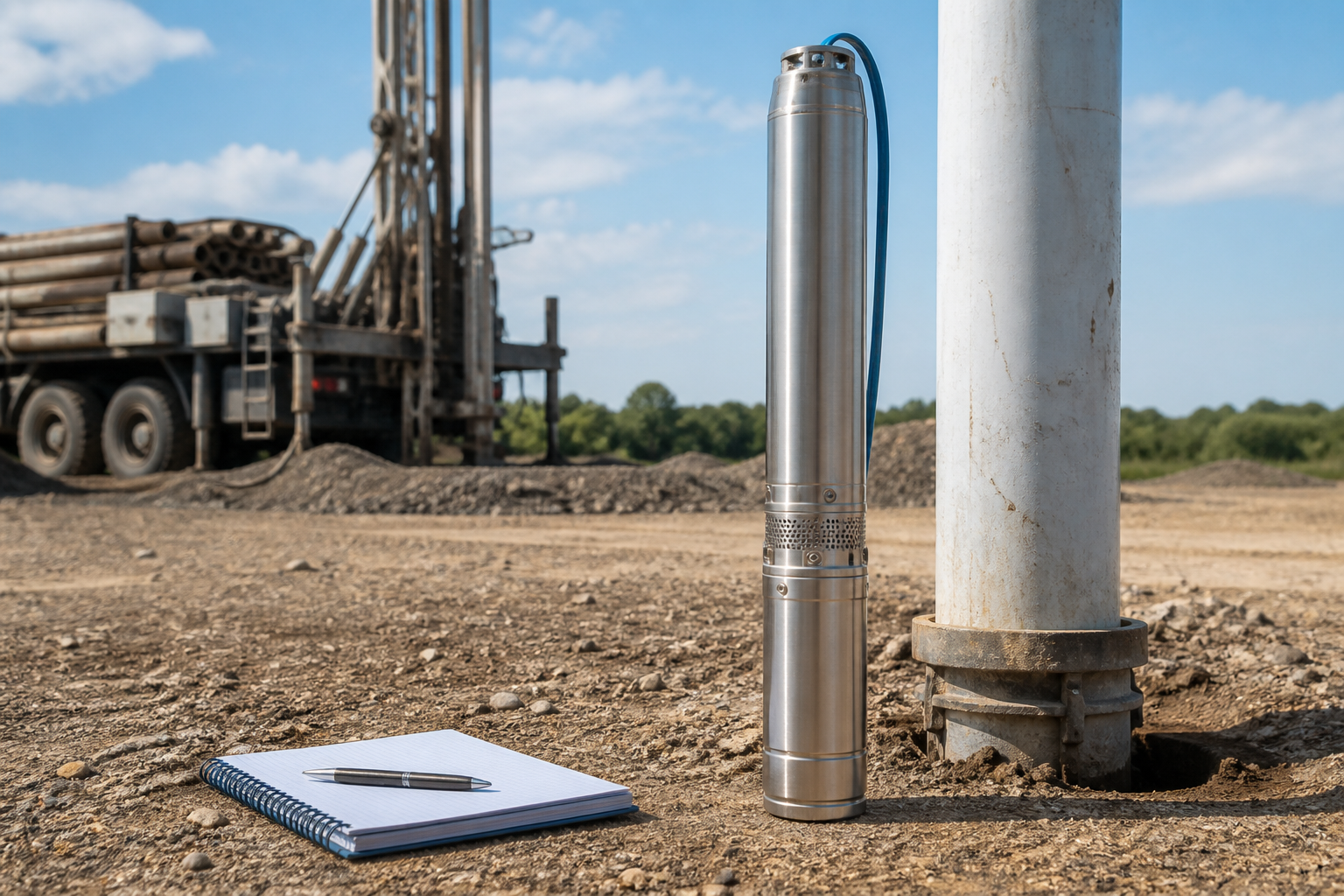
A shallow-well jet arrangement keeps the pump at the surface and uses suction lift, so practical lift and priming limitations are central. A deep-well jet system places an ejector in the well and circulates water through two pipes, allowing operation at greater lifts but adding piping complexity and efficiency penalties. Both arrangements require a leak-tight suction or recirculation path, proper priming, foot or check valves as designed, freeze protection, and service access. They may suit small water-supply duties where the well geometry and level support the arrangement. Do not apply a universal depth cutoff without the manufacturer's data and site elevation. Atmospheric pressure, water temperature, friction, and available net positive suction head affect surface-pump performance, while a submersible pump avoids the same suction-lift arrangement by operating below the water level.
Understand submersible well pumps
A submersible multistage pump and motor operate below the pumping water level and push water upward through a rising main. This arrangement is common in narrow drilled wells and higher-head duties. Selection must confirm pump outside diameter, casing clearance, setting depth, minimum submergence, motor cooling flow, cable length, check-valve arrangement, and removal method. The duty point should fall inside the recommended curve range without motor overload. A larger casing or open-water installation can reduce flow past the motor; the manufacturer may require a flow sleeve. Excessive setting depth is not automatically safer because it increases cable, pipe, removal work, and exposure to sediment near the bottom. The intake should remain above settled material and below the lowest credible pumping level with the required margin.
جدول قرار المشروع
| Well-pump type | Typical arrangement | Main project checks |
|---|---|---|
| Shallow-well jet | Surface pump with suction and jet | Practical suction lift, priming, air leaks |
| Deep-well jet | Surface pump with down-well ejector and two pipes | Ejector setting, recirculation, efficiency |
| Submersible well pump | Multistage pump and motor below water | Casing fit, submergence, cooling, cable |
| Vertical turbine pump | Down-well bowls with surface driver | Intake, column, alignment, foundation |
| Storage-assisted system | Well pump fills storage for peak demand | Sustainable yield, tank volume, controls |
Use vertical turbine pumps for appropriate large duties
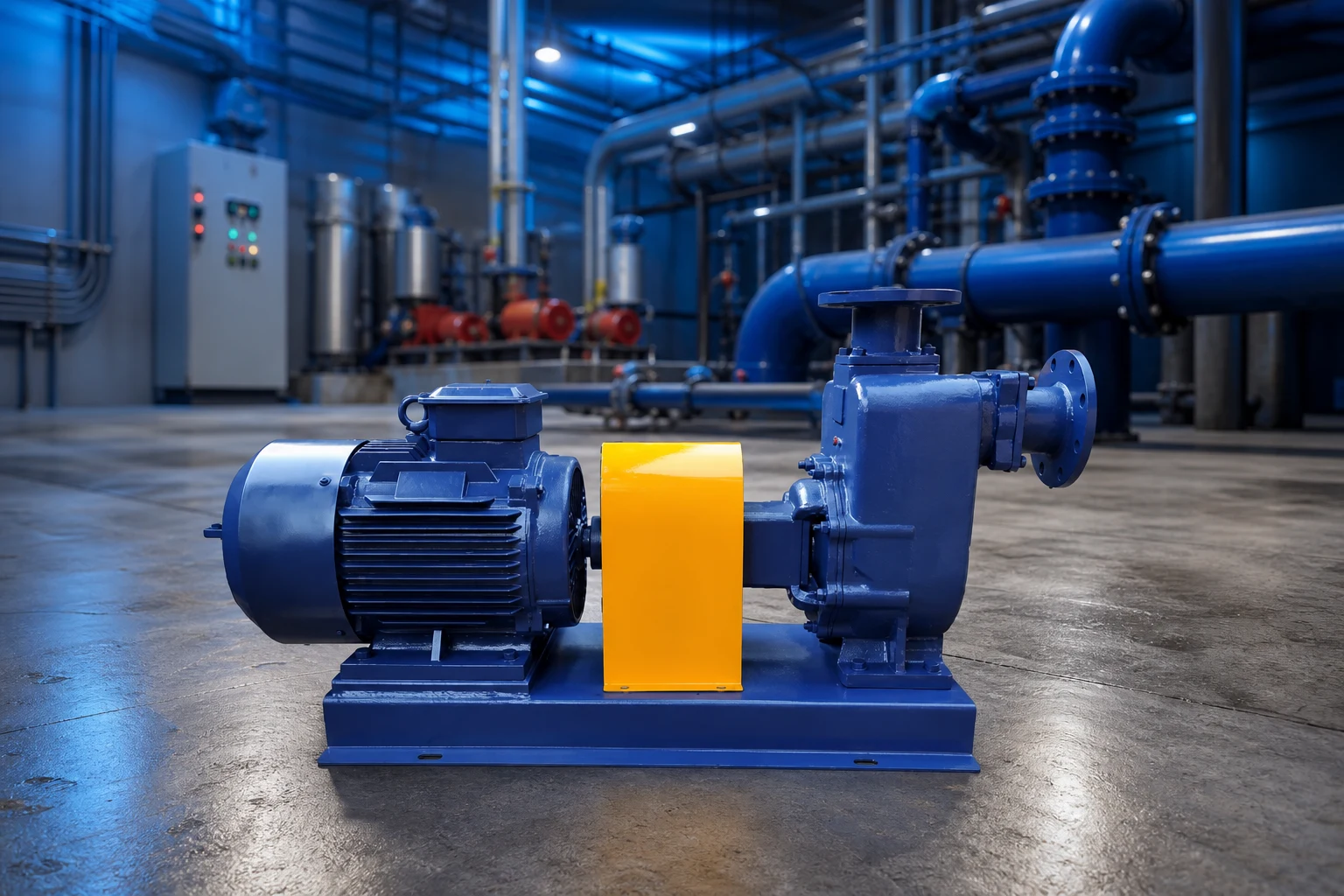
A vertical turbine pump places bowl assemblies below the water level and the driver at the surface, connected through column and shafting or another approved arrangement. It can serve high-flow wells, sumps, reservoirs, and fire-water sources when geometry and project requirements support it. Selection extends beyond hydraulic duty to bowl setting, submergence, intake approach, column length, shaft and bearing arrangement, discharge head, driver, alignment, foundation, and maintenance access. The surface driver can simplify some motor service, while the long internal assembly requires disciplined installation and alignment. The intake design must avoid vortices, uneven flow, air entrainment, and sediment. Large-capacity projects should coordinate civil, mechanical, structural, and electrical drawings before the pump is released.
Compare the types using project inputs
Begin with required flow and total dynamic head, then check the range that the well can sustainably supply. Compare physical fit, power supply, efficiency at expected operating points, starting method, controls, installation equipment, maintenance access, noise, weather exposure, and lifecycle cost. A surface pump is easier to observe but must manage suction or ejector piping; a submersible installation is compact at the surface but requires pulling the unit for major service; a vertical turbine arrangement can address large duties but needs a coordinated wellhead and column system. No type is universally best. The comparison should show the same hydraulic cases and the same boundary of supply so price differences are not caused by omitted cable, pipe, controls, valves, sensors, or lifting equipment.
Verify water quality, controls, and acceptance data
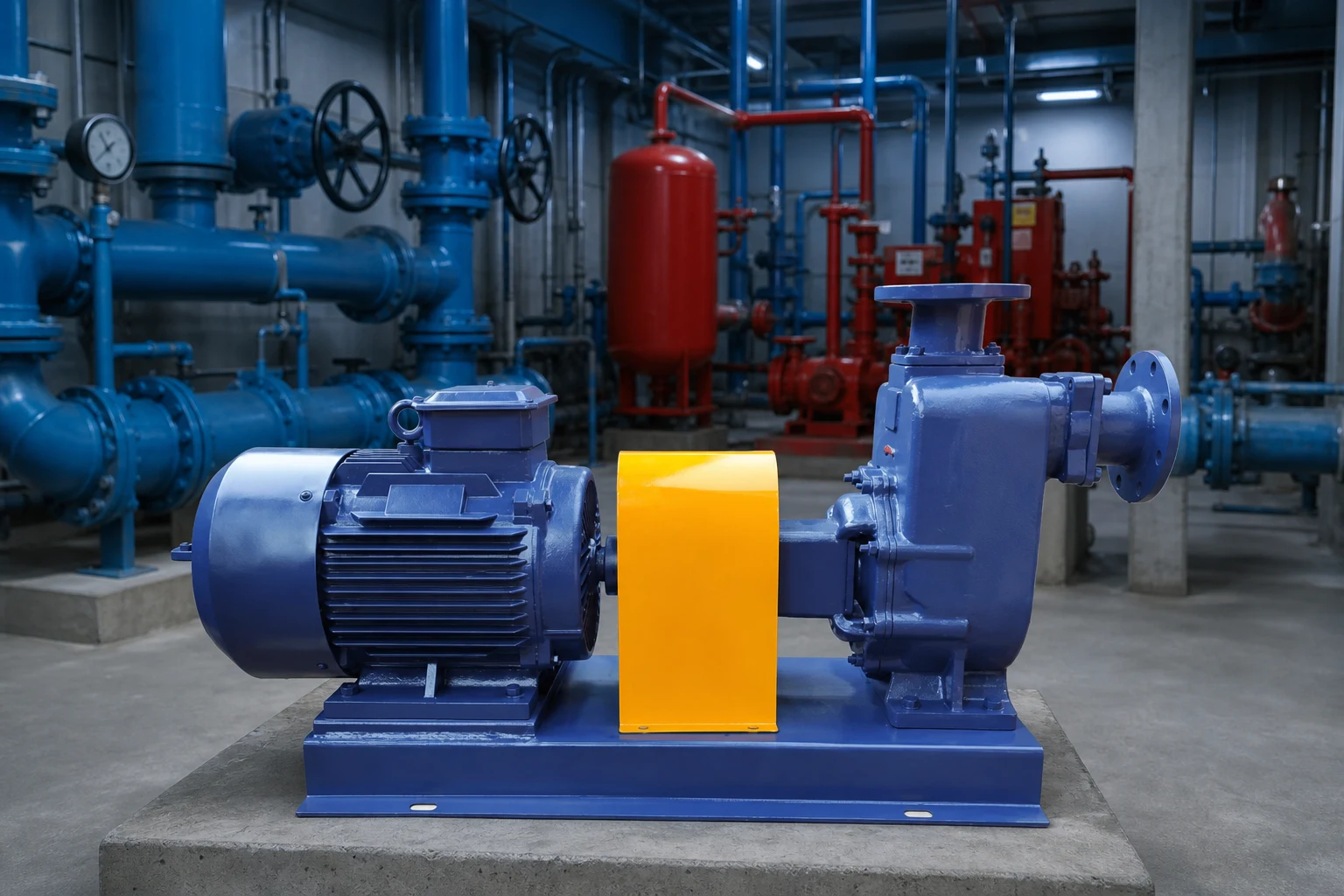
Water analysis can affect casing, impeller, shaft, fastener, cable, seal, and check-valve materials. Sand can erode hydraulic components and may signal incomplete well development, screen trouble, or an excessive withdrawal rate. Do not rely on a generic stainless-steel label without the actual grade and water chemistry. Define dry-run or low-water protection, pressure or tank controls, level sensing, surge protection, phase and voltage monitoring, and any variable-speed range. At commissioning, record stabilized flow, water levels, discharge pressure, voltage, current, starts, vibration or noise, and recovery after shutdown. Compare those readings with the selection basis and certified curve. A pump that produces water but pulls the level down faster than expected needs investigation rather than a controller adjustment that hides the condition.
سجل مقارنة الموردين والقبول
يجب أن تستخدم مقارنة الموردين الكاملة ورقة بيانات عامة واحدة. ضع نقاط التصميم والتشغيل البديلة، السائل، درجة الحرارة، المواد الصلبة، ارتفاع الموقع، الطاقة، أدوات التحكم، التركيب، ساعات التشغيل، الكمية، الوجهة، والمستندات المطلوبة في الأعلى. قم بتوحيد الاختلافات في النطاق قبل مقارنة السعر أو الكفاءة. اطلب منحنى معتمدًا أو بيانات سعة، والطاقة الممتصة، حدود التشغيل، المواد، الأبعاد، الوزن، الوصلات، المحرك أو المشغل، وحدة التحكم، الملحقات، الاختبارات، الحفظ، قطع الغيار، تعليمات التركيب، وحدود الضمان. سجل كل انحراف وافتراض غير محلل. أثناء المراجعة الفنية، تتبع كل ميزة معروضة وصولاً إلى مدخلات المشروع بدلاً من منح نقاط لميزات لا يحتاجها واجب العمل. أثناء التشغيل التجريبي، قس نفس المتغيرات المستخدمة في الاختيار بحيث يمكن مقارنة النتيجة المثبتة مع الأساس الأصلي. إذا كانت ظروف الموقع مختلفة، قم بتحديث الحساب واجصل على موافقة مسؤولة قبل تغيير المعدات أو إعدادات الحماية.
تكامل النظام وتخطيط دورة الحياة
تعامل مع المضخة كعنصر واحد في نظام هيدروليكي ونظام تحكم متكامل. قم بمراجعة المصدر، ومأخذ التغذية، وترتيب السحب أو المدخل، والمضخة، والمحرك، وأنابيب التصريف، والصمامات، والأجهزة، وأدوات التحكم، والطاقة، والصرف، والأساسية، ومسار الرفع، ونظام الاستقبال على نفس الرسم. تأكد من التشغيل العادي، والطلب الأدنى والأقصى، والتشغيل، والإيقاف، والمسارات المسدودة أو المغلقة، وفقدان الطاقة، والتحويل الاحتياطي، والاستجابة للإنذار، والتنظيف، وعزل الصيانة. تتسبب نقاط التداخل في حدوث العديد من الأعطال: فالمضخة المختارة بشكل صحيح قد يظل أداؤها ضعيفاً لأن الإمداد المتاح يختلف عن المستوى المفترض، أو لأن الأنبوب أصغر من المقرر، أو لأن الصمام يواجه ضغطاً مفقوداً غير متوقع، أو لأن وحدة التحكم تستخدم موقع مستشعر خاطئ، أو لأن إمكانية الوصول للصيانة قد أُزيلت أثناء التصميم المدني. قم بتسوية ملكية نقاط التداخل قبل الشراء. لا يمكن لمورد المضخة الموافقة على المبنى، أو البئر، أو عملية مياه الصرف الصحي، أو نظام الحماية من الحريق، أو التصريف البيئي، أو التركيب الكهربائي ما لم يتم تضمين هذه المسؤولية صراحةً ودعمها بمراجعة مؤهلة.
يجب أن يبدأ تخطيط دورة الحياة قبل الشحن ويستمر طوال كل تغيير تشغيلي موثق. قم بتحديد ساعات التشغيل المتوقعة، وعدد مرات البدء، وفترات الاستعداد، ظروف التخزين، مسار الفحص، طريقة الإزالة، سعة الرفع، متطلبات التنظيف، المواد الاستهلاكية، قطع الغيار الحرجة، أدوات الخدمة، والبيانات التي سيقوم المشغلون بتتبعها. قم بإنشاء قراءات خط الأساس أثناء القبول واحتفظ بها مع منحنى الأداء، ورقة البيانات، الرسومات، إعدادات وحدة التحكم، الشهادات، الأدلة، وقائمة القطع. يجب أن يكون الفني المستقبلي قادراً على معرفة الخدمة التي تمت الموافقة عليها، وما تم قياسه عند بدء التشغيل، وما الذي تغير. عندما يتدهور الأداء، قارن الأدلة قبل استبدال المعدات. غالباً ما تفصل التدفق، والضغط، والمستوى، واليار، والطاقة، والاهتزاز، ودرجة الحرارة، ووقت التشغيل، وعدد مرات البدء، والإنذارات، وحالة السوائل بين الأسباب الهيدروليكية والميكانيكية والكهربائية وعمليات التشغيل. هذا السجل يقلل من الاستبدال غير الضروري ويدعم اتخاذ قرار أكثر أماناً عندما لم تعد ظروف التشغيل تتطابق مع الاختيار الأصلي.
كيف يرتبط هذا الموضوع بمعدات BORRAPUMP
يدعم هذا الدليل المراجعة المبكرة لـ أنواع مضخات الآبار مسار التطبيق. إنه لا يعين نموذجاً نهائياً أو يدعي أن تكوينًا قياسيًا واحدًا يناسب كل مشروع. أرسل نقاط التشغيل، والبيانات السائلة، ومخطط الموقع، ومصدر الطاقة، وأدوات التحكم، والكمية، والوجهة، والموافقات المطلوبة، ونطاق الفحص بحيث يمكن التحقق من المنتج المقترح مقابل الخدمة الحقيقية.
أدلة الهندسة الخاصة بـ BORRAPUMP ذات الصلة
مصادر موثوقة ومزيد من التعلم
أساسيات المياه الجوفية لهيئة المسح الجيولوجي الأمريكية; آبار مياه الشرب الخاصة التابعة وكالة حماية البيئة الأمريكية; أنظمة المضخات التابعة لوزارة الطاقة الأمريكية. توفر هذه المصادر سياقاً عاماً للسلامة أو البيئة أو الهندسة. تظل القواعد الحالية المعتمدة، ووافقات المشاريع، وتعليمات المعدات هي التي تحكم.
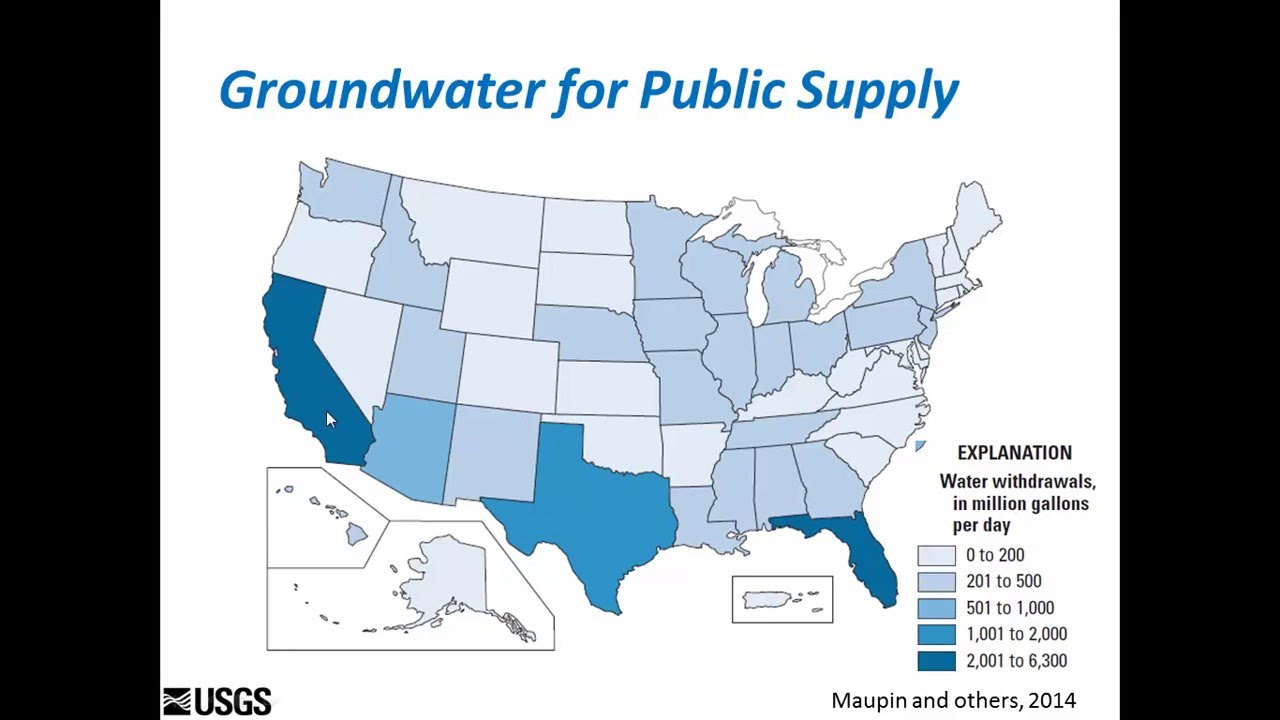
فيديو تعليمي من متحف وزارة الداخلية الأمريكية: المياه الجوفية: كشف لغز مورد خفي. إنه يوضح المبادئ الأساسية ولا يحل محل التعليمات الخاصة بالمشروع.
الأسئلة الشائعة
ما هي الأنواع الشائعة الثلاثة لمضخات الآبار السكنية؟
مضخات النفاثة للآبار الضحلة، والمضخات النفاثة للآبار العميقة، والمضخات الغاطسة هي فئات شائعة. قد تستخدم التركيبات الكبيرة أو المتخصصة توربينات عمودية أو ترتيبات أخرى.
هل تحدد عمق البئر نوع المضخة؟
ليس بمفرده. مستوى ضخ المياه، والتدفق، والرفع، والغلاف، والإنتاجية، جودة المياه، والطاقة، وسهل الوصول للصيانة، كلها أمور مهمة.
لماذا غالباً ما تُستخدم المضخة الغاطسة في الآبار العميقة؟
تدفع المياه من أسفل مستوى سطح الماء وتتجنب ترتيب الرفع بالشفط العملي للمضخة السطحية، بينما تتطلب تخطيطاً دقيقاً للتركيب والتبريد والكابلات والإزالة.
Should I size from the static water level?
Use the pumping water level at the design flow and check the lowest credible level. Static level alone understates lift during operation.
نقطة تفتيش المشروع النهائي
قبل تأكيد الطلب أو إجراء أي تغيير ميداني، قم بمطابقة الواجب والمخططات المعتمدة مع بيانات المورد، والمواد، والأبعاد، والأوزان، والوصلات، ومشغل التشغيل، وأدوات التحكم، والملحقات، الحماية، ونطاق الاختبار، والوثائق، وقطع الغيار، وطريقة التركيب، وإمكانية الوصول للصيانة، ومتطلبات وجهة الوصول. قم بتسجيل الافتراضات المتبقية وتحديد المسؤولية عن إغلاقها. يجب أن تكون المعلومات النهائية المقبولة هي الأساس ذاته المستخدم للتركيب، والتشغيل التجريبي، والصيانة المستقبلية.