
A diesel fire pump can use an engine-mounted radiator or a water-to-water heat exchanger, depending on the listed package and project. A radiator rejects engine heat to a large airflow and therefore drives room ventilation and duct design. A heat exchanger uses a controlled cooling-water circuit, reducing radiator airflow but adding water strainers, regulating devices, drains, and dependence on a reliable cooling-water path. Select the complete approved arrangement, not one component in isolation. Keep the calculation and acceptance record with the final project documents so future tests use the same basis.
السلام والنشاط: مضخات الحريق ومحركاتها هي معدات للسلامة في الحياة. يجب أن تتوافق أعمال الأنظمة الهيدروليكية، والكهربائية، والديزل، والوقود، والبطاريات، والضغط، والمعدات الدوارة، والاختبار، وتعطيل الأنظمة مع التصميم الحالي المعتمد، وتتعليمات الشركة المصنعة، والمعايير المطبقة، والجهة المختصة ذات الصلاحية. يوضح هذا الدليل مسار القرار الهندسي؛ ولا يمنح الإذن بإجراء تعديلات ميدانية، أو تجاوزات، أو تشغيل بواسطة أشخاص غير مؤهلين.
Understand radiator cooling
Engine coolant releases heat through the radiator while a fan moves air through the core. Room openings and ducts must stay within allowable resistance and temperature. Treat this as a system condition rather than an isolated component choice. Identify the source of every input, the unit used, the operating condition it represents, and the person responsible for approval. If information is preliminary, mark the assumption and test how the decision changes at a conservative boundary. This prevents a neat calculation from hiding an uncertain water level, pressure, valve position, driver condition, or simultaneous demand.
For diesel fire pump cooling system, verify this section against the selected pump curve, the actual site arrangement, manufacturer instructions, and the current requirements accepted by the authority having jurisdiction. Check the installed condition as well as the drawing because pipe routes, elevations, supports, controls, and access often change during construction. Record the result in a form that can be repeated during commissioning and later inspection. Do not change a safety-critical setting or isolate fire protection without the approved impairment and restoration process.
Understand heat-exchanger cooling
Engine coolant transfers heat to a separate raw-water stream. The circuit needs reliable flow, filtration or strainers as required, regulation, indication, and safe discharge. The most useful evidence is measured or approved project data, not a copied rule of thumb. Identify the source of every input, the unit used, the operating condition it represents, and the person responsible for approval. If information is preliminary, mark the assumption and test how the decision changes at a conservative boundary. This prevents a neat calculation from hiding an uncertain water level, pressure, valve position, driver condition, or simultaneous demand.
For diesel fire pump cooling system, verify this section against the selected pump curve, the actual site arrangement, manufacturer instructions, and the current requirements accepted by the authority having jurisdiction. Check the installed condition as well as the drawing because pipe routes, elevations, supports, controls, and access often change during construction. Record the result in a form that can be repeated during commissioning and later inspection. Do not change a safety-critical setting or isolate fire protection without the approved impairment and restoration process.
Compare reliability paths
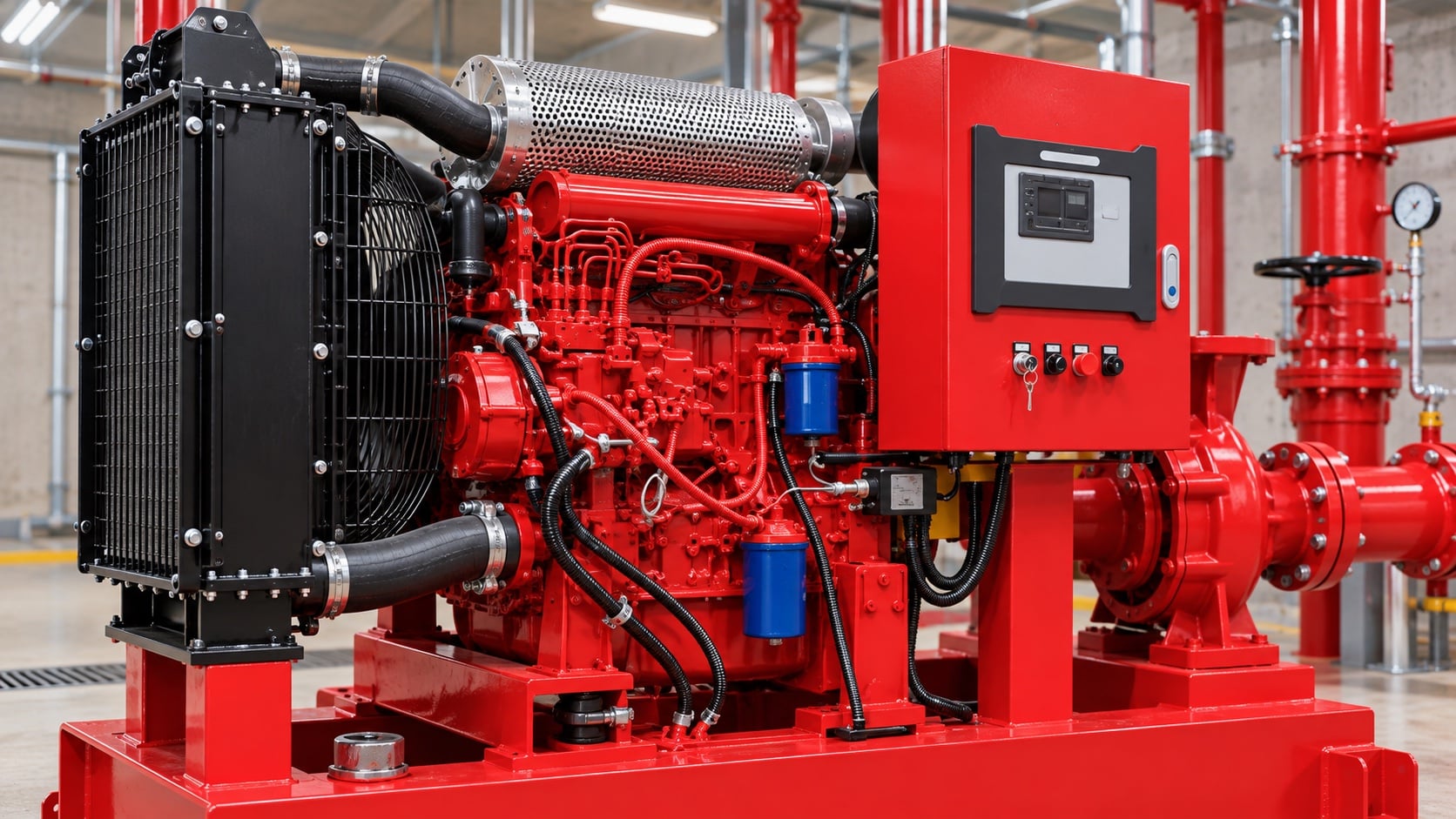
A radiator depends on airflow, fan, belt or drive, louvers, and clean core. A heat exchanger depends on cooling-water availability, clean passages, valves, and regulators. Review this condition at normal, test, and credible abnormal states before procurement. Identify the source of every input, the unit used, the operating condition it represents, and the person responsible for approval. If information is preliminary, mark the assumption and test how the decision changes at a conservative boundary. This prevents a neat calculation from hiding an uncertain water level, pressure, valve position, driver condition, or simultaneous demand.
For diesel fire pump cooling system, verify this section against the selected pump curve, the actual site arrangement, manufacturer instructions, and the current requirements accepted by the authority having jurisdiction. Check the installed condition as well as the drawing because pipe routes, elevations, supports, controls, and access often change during construction. Record the result in a form that can be repeated during commissioning and later inspection. Do not change a safety-critical setting or isolate fire protection without the approved impairment and restoration process.
Use engine manufacturer data
Collect heat rejection, coolant flow, allowable backpressure, radiator airflow, raw-water demand, temperature limits, and approved piping details. The design team should turn this point into a traceable calculation or drawing note. Identify the source of every input, the unit used, the operating condition it represents, and the person responsible for approval. If information is preliminary, mark the assumption and test how the decision changes at a conservative boundary. This prevents a neat calculation from hiding an uncertain water level, pressure, valve position, driver condition, or simultaneous demand.
For diesel fire pump cooling system, verify this section against the selected pump curve, the actual site arrangement, manufacturer instructions, and the current requirements accepted by the authority having jurisdiction. Check the installed condition as well as the drawing because pipe routes, elevations, supports, controls, and access often change during construction. Record the result in a form that can be repeated during commissioning and later inspection. Do not change a safety-critical setting or isolate fire protection without the approved impairment and restoration process.
جدول قرارات عملي
| عامل | Radiator arrangement | Heat-exchanger arrangement |
|---|---|---|
| Primary heat sink | Outdoor air | Cooling water |
| Room impact | High airflow and heat discharge | Lower radiator airflow but residual room heat |
| Main blockage risk | Dirty core or restricted louver | Strainer, scale, or restricted water path |
| Design data | Fan airflow and allowable resistance | Raw-water flow and pressure limits |
| تركيز الصيانة | Core, fan, belt/drive, ducts | Strainers, regulator, passages, drain |
| Commissioning | Room temperature and airflow | Cooling-water flow and engine temperature |
Design for water quality
Sediment, scale, corrosion, biological growth, or freezing can restrict a heat exchanger. Use the approved materials and maintenance approach for the actual water. Treat this as a system condition rather than an isolated component choice. Identify the source of every input, the unit used, the operating condition it represents, and the person responsible for approval. If information is preliminary, mark the assumption and test how the decision changes at a conservative boundary. This prevents a neat calculation from hiding an uncertain water level, pressure, valve position, driver condition, or simultaneous demand.
For diesel fire pump cooling system, verify this section against the selected pump curve, the actual site arrangement, manufacturer instructions, and the current requirements accepted by the authority having jurisdiction. Check the installed condition as well as the drawing because pipe routes, elevations, supports, controls, and access often change during construction. Record the result in a form that can be repeated during commissioning and later inspection. Do not change a safety-critical setting or isolate fire protection without the approved impairment and restoration process.
Coordinate alarms and instruments
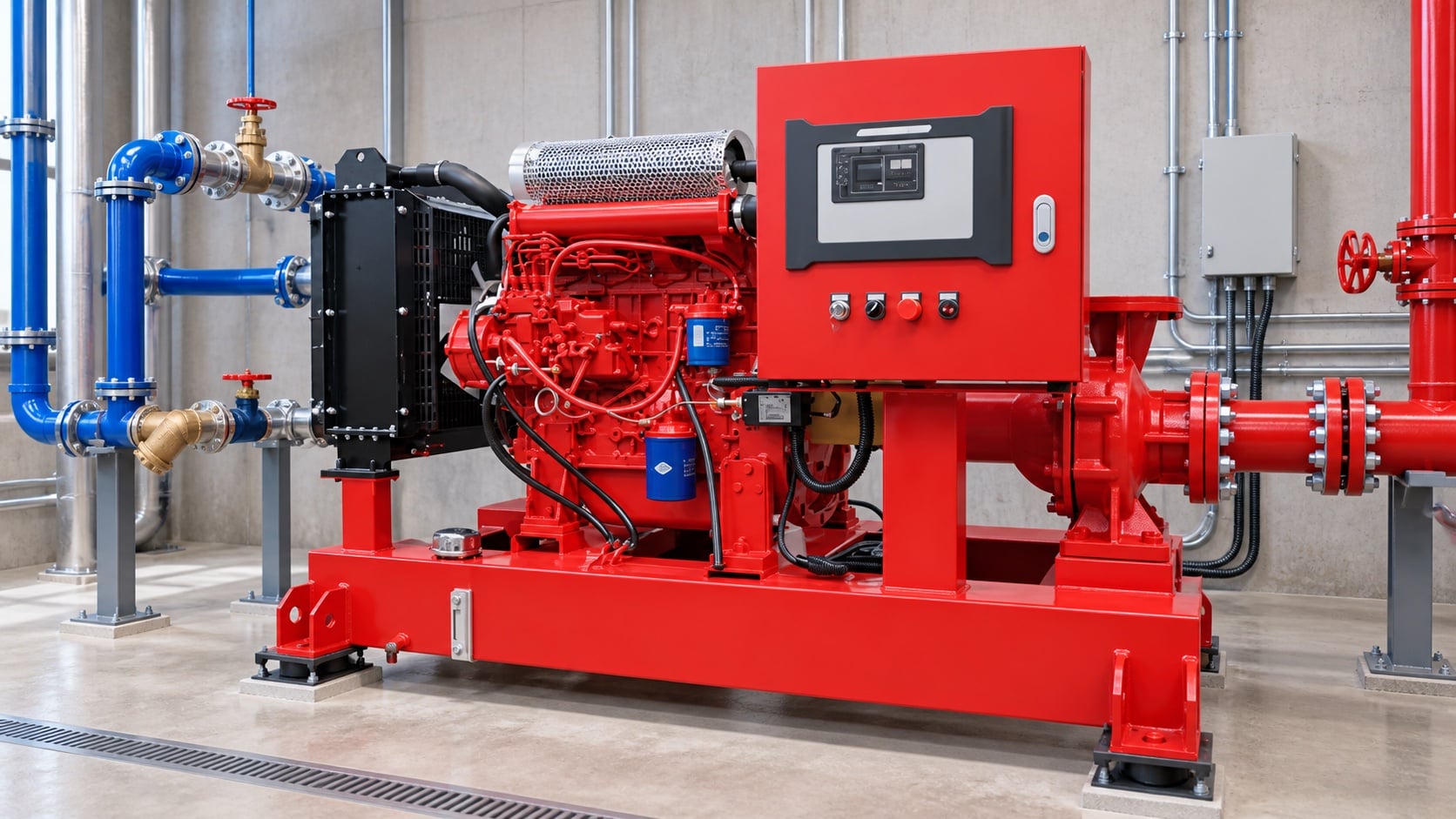
Monitor relevant engine temperature and cooling conditions through the listed controls. Do not add devices that defeat automatic starting or reliable operation. The most useful evidence is measured or approved project data, not a copied rule of thumb. Identify the source of every input, the unit used, the operating condition it represents, and the person responsible for approval. If information is preliminary, mark the assumption and test how the decision changes at a conservative boundary. This prevents a neat calculation from hiding an uncertain water level, pressure, valve position, driver condition, or simultaneous demand.
For diesel fire pump cooling system, verify this section against the selected pump curve, the actual site arrangement, manufacturer instructions, and the current requirements accepted by the authority having jurisdiction. Check the installed condition as well as the drawing because pipe routes, elevations, supports, controls, and access often change during construction. Record the result in a form that can be repeated during commissioning and later inspection. Do not change a safety-critical setting or isolate fire protection without the approved impairment and restoration process.
Plan maintenance
Provide access for radiator cleaning, coolant service, strainers, regulators, heat-exchanger inspection, and draining without impairing the system unnecessarily. Review this condition at normal, test, and credible abnormal states before procurement. Identify the source of every input, the unit used, the operating condition it represents, and the person responsible for approval. If information is preliminary, mark the assumption and test how the decision changes at a conservative boundary. This prevents a neat calculation from hiding an uncertain water level, pressure, valve position, driver condition, or simultaneous demand.
For diesel fire pump cooling system, verify this section against the selected pump curve, the actual site arrangement, manufacturer instructions, and the current requirements accepted by the authority having jurisdiction. Check the installed condition as well as the drawing because pipe routes, elevations, supports, controls, and access often change during construction. Record the result in a form that can be repeated during commissioning and later inspection. Do not change a safety-critical setting or isolate fire protection without the approved impairment and restoration process.
Prove cooling during testing
Run the engine under the specified flow and load long enough to establish stable temperatures, then document readings, leakage, airflow or water flow, and recovery. The design team should turn this point into a traceable calculation or drawing note. Identify the source of every input, the unit used, the operating condition it represents, and the person responsible for approval. If information is preliminary, mark the assumption and test how the decision changes at a conservative boundary. This prevents a neat calculation from hiding an uncertain water level, pressure, valve position, driver condition, or simultaneous demand.
For diesel fire pump cooling system, verify this section against the selected pump curve, the actual site arrangement, manufacturer instructions, and the current requirements accepted by the authority having jurisdiction. Check the installed condition as well as the drawing because pipe routes, elevations, supports, controls, and access often change during construction. Record the result in a form that can be repeated during commissioning and later inspection. Do not change a safety-critical setting or isolate fire protection without the approved impairment and restoration process.
كيف يرتبط هذا بمعدات BORRAPUMP
توفر شركة BORRAPUMP معدات ضخ هندسية لمشاريع المياه والحماية من الحريق. راجع ما يخص ذلك تكوين منتج BORRAPUMP كمنطلق، ثم قم بتقديم التدفق المطلوب، والرأس، ومصدر المياه، والمشغل، والطاقة، وأدوات التحكم، وظروف الموقع، والمتطلبات المطبقة، والكمية، والوجهة. يجب أن يستخدم الاختيار النهائي الأساس الهيدروليكي للمشروع والتقديم المعتمد؛ لا يدعي هذا الدليل أن ترتيباً واحداً في الكتالوج يناسب كل اختصاص أو مخاطرة.
أدلة BORRAPUMP ذات الصلة
مراجع موثوقة
تحدد المصادر التالية حدود المعايير، وسياق السلامة من الحرائق، ومبادئ نظام المضخات المستخدمة في هذا الدليل. قم دائماً بتطبيق الإصدار والاعتماد المحلي المقبول للمشروع.
- NFPA 20 standard development page
- U.S. Department of Energy pump systems resources
- NIST fire protection research
Educational video
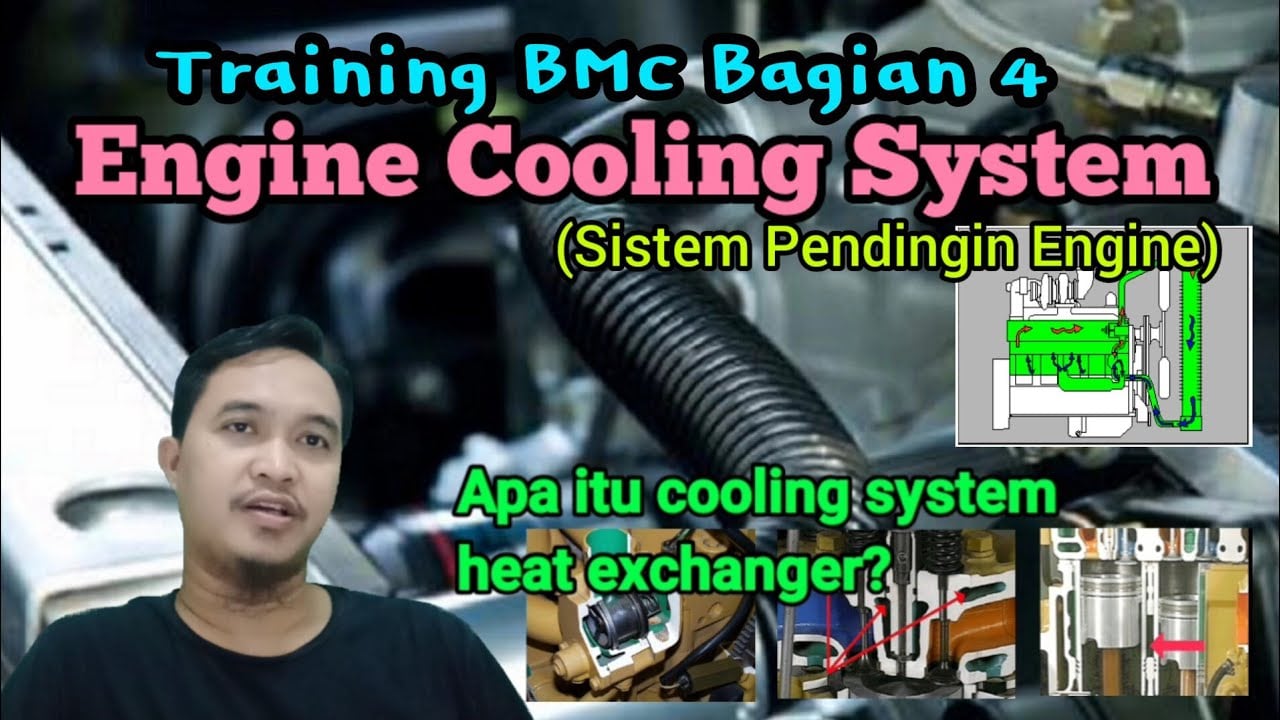
Educational background by Diki Adn: Cara kerja sistem pendinginan (cooling system) engine diesel. Training Basic Mechanic Bagian 4.. The video supports the underlying engineering concept and does not replace project-specific fire-protection requirements.
الأسئلة الشائعة
أي نظام تبريد أفضل؟
ليس هناك خيار أفضل بشكل عام. اختر الحزمة المعتمدة التي تتناسب مع توفر المياه، التهوية، المناخ، الصيانة، والموثوقية.
هل يمكن لمياه النار أن تبرد المحرك؟
فقط من خلال الترتيب والأنابيب المعتمدة والمدرجة. تأكد من التوريد، والتنظيم، والمصافي، والتصريف، وتسلسل التشغيل.
هل تحتاج تبريد المشعاعات (الراديتر) إلى قنوات هواء؟
Often the hot-air path needs coordinated openings or ducts. Use the engine package's airflow and resistance limits.
ما الذي يثبت وجود تبريد كافٍ؟
اختبار تشغيل مصحوب بشاهد يظهر درجات حرارة مستقرة للمحرك وسلوكاً صحيحاً لتدفق الهواء أو مياه التبريد تحت الحمل المطلوب.
Final verification checklist
Before approval, confirm the hydraulic basis, water-source condition, selected pump curve, driver and controller data, component pressure ratings, valve arrangement, test method, access, drainage, alarms, and restoration procedure. Resolve differences between drawings and the installed system. During commissioning, use calibrated instruments and record suction pressure, discharge pressure, flow, speed, driver condition, alarms, and abnormal observations at every required point. Keep the accepted results with the pump-room records so later inspections compare like with like.