
Booster pump installation cost can only be compared after the duty, installation location, pipework, electrical scope, controls, access, documentation, and commissioning responsibilities are stated on the same basis. A headline price or a motor label does not describe the complete project scope for US buyers and contractors.
Part 1. Treat Installation Cost as a Scope Question
Two projects can use a similar pump family but have different installed scope. One may have accessible pipework, a prepared base, and a defined electrical interface; another may need route changes, controls clarification, site access work, or added records. The useful question is therefore not “what does installation cost?” but “what is included in this project’s installation scope?”
| Scope area | What changes the comparison | Buyer action |
|---|---|---|
| Equipment basis | Pump family versus complete package | State exactly what is being quoted |
| Duty basis | Required flow and pressure outcome | Attach measured or drawing-based inputs |
| Site readiness | Base, pipework, access, and power interface | List work already complete and work remaining |
| Documentation | Drawings, manuals, tests, and handover records | Name required deliverables |
The BORRAPUMP Booster Pump guide explains the cluster role. This cost-scope guide does not replace the actual system design or product selection.
Part 2. Start With the Pressure-System Duty
Installed cost cannot be normalized until the required pressure outcome is written down. Record source condition, intended flow and head or pressure basis, operating pattern, liquid, and the application boundary. A booster system is not interchangeable with an ordinary transfer pump simply because both use an electric motor.
| Duty input | Why it belongs in the scope | Do not assume |
|---|---|---|
| Source condition | Defines the pressure-system starting point | Inlet conditions are constant |
| Flow and pressure basis | Connects the package to the actual duty | Horsepower alone describes the job |
| Operating pattern | Affects controls and review expectations | Every project runs the same way |
| Liquid and environment | Supports material and installation review | Clean-looking water answers all questions |
| Application boundary | Separates boosting from transfer or fire duty | One package fits every pumping task |
For sizing context, see Water Booster Pump Sizing for High-Rise Buildings. It is an information guide, not a substitute for project data.
Part 3. Record the Site and Pipework Conditions
The installation location affects labor, access, support, routing, and future service. Capture the available footprint, lifting route, piping connection points, isolation and maintenance expectations, drainage considerations, and the parts of the work that another trade owns. A remote cost request without site conditions leaves suppliers to price different assumptions.
| Site field | Record before comparing scope | Escalate when |
|---|---|---|
| Location | Room, elevation, dimensions, and access | Equipment cannot be moved or serviced safely |
| Pipework | Connection points, sizes, route, and responsibility | Existing piping condition is unknown |
| Base and support | Prepared base or structural constraint | Support work is undefined |
| Service access | Clearances, lifting, inspection path | Maintenance access is blocked |
| Water management | Drainage or leak-response concept | The location has no controlled response |
Use Booster Pump Installation for related setup questions, then return to the project documents for actual construction decisions.
Part 4. Separate Electrical, Controls, and Document Scope
Electrical and controls work should be named, not folded into a generic “installation” line. Identify the available supply, the party responsible for electrical work, control expectations, interface points, and the documents needed for review or handover. These details change the scope even when the pump body looks similar.
| Scope item | What to define | Why it affects comparison |
|---|---|---|
| Supply interface | Available power information and responsibility | Electrical work cannot be inferred |
| Controls | Start/stop, monitoring, and handover expectations | Control scope varies by project |
| Accessories | Tank, valves, base, panel, or other listed items | Package content must be visible |
| Documents | Drawings, manuals, test or acceptance records | Missing records shift project risk |
| Commissioning role | Who checks and signs off each task | Responsibilities affect delivered scope |
Important: Do not treat a cost article as electrical or construction authorization. The Hydraulic Institute frames pumping decisions around actual system conditions, while the responsible project team must confirm site and product requirements.
Part 5. Compare Quotes on the Same Project Basis
Ask each supplier or contractor to show inclusions, exclusions, assumptions, documents, and dependencies against the same duty sheet and site record. A lower number may simply exclude electrical work, control items, pipework changes, records, or commissioning responsibilities that another offer includes.
| Comparison check | Ask each quote | Gap to expose |
|---|---|---|
| Equipment identity | Exact offered package and included components | Family name used without scope |
| Site work | Pipe, base, access, and installation assumptions | Work assigned to no one |
| Electrical and controls | Interface, panel, wiring, and responsibility | Hidden trade boundary |
| Documents | Drawings, manuals, test and handover records | Missing project evidence |
| Commercial boundary | Delivery, exclusions, and change process | Numbers compared on unequal terms |
The Booster Pump Price Guide covers product quotation scope. Installed cost needs the additional site and trade boundaries described here.
Part 6. Send a Controlled Booster Inquiry
Send the duty sheet and site record together so the response can state what is included and what requires confirmation. The route below is a product-discussion starting point, not a recommendation without project inputs.
| Documented project need | BORRAPUMP route | Send with quote |
|---|---|---|
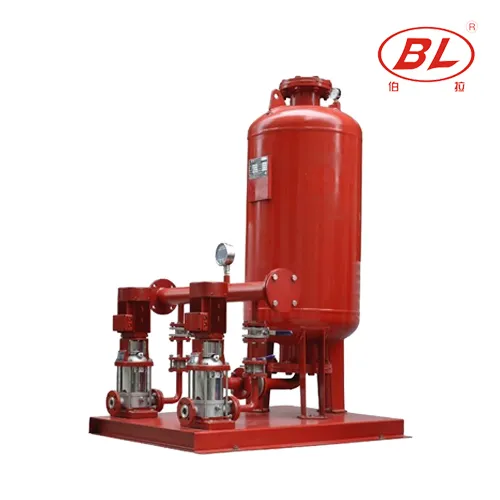
| Packaged building pressure objective | Booster Regulator Water Supply Equipment | Source condition, flow/head basis, site layout, power interface, controls, documents, destination |
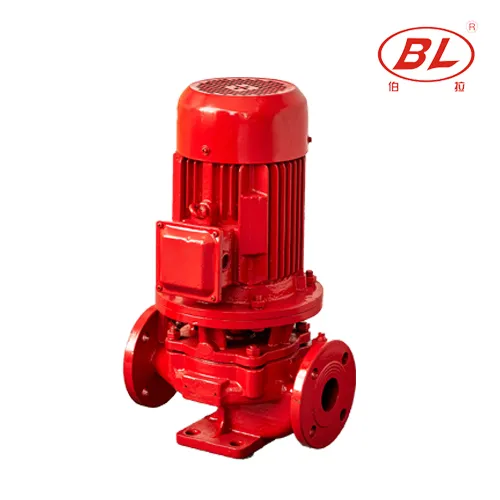
| Inline pressure-route review | ISG Vertical Inline Boost Water Pump | Duty basis, connection layout, liquid, power, access, documents, destination |
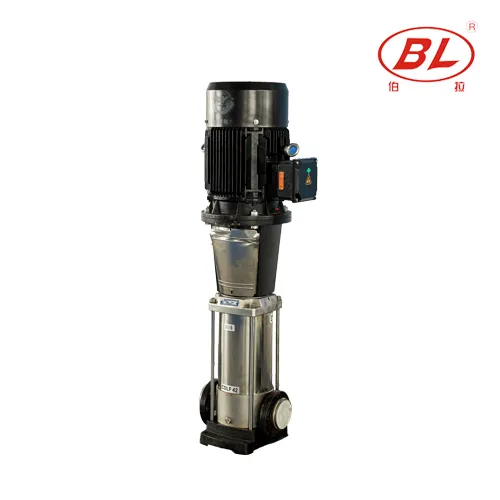
| Vertical multistage discussion | CDL(F) Vertical Multistage Jockey Pump | Duty basis, pressure objective, installation conditions, controls, documents, destination |
Do not choose a package only because an installation-cost request appears urgent. Share the controlled record with BORRAPUMP for a scoped discussion.
FAQ
What affects booster pump installation cost?
The comparison depends on defined duty, equipment scope, pipework, site access, base and support needs, electrical and controls scope, documentation, and commissioning responsibilities. This article does not publish a price.
Can installation cost be estimated from horsepower alone?
No. Horsepower does not define the pressure-system duty, site work, controls, connection scope, access, or required documents. Compare a complete project basis instead.
What site information should be shared before asking for an installed scope?
Share the installation location, dimensions and access, connection points, route, base condition, power interface, control expectations, duty basis, documents required, quantity, and delivery destination.
Do controls and electrical work change the scope?
Yes. Supply interface, panel or control expectations, responsibility boundaries, wiring or interface work, and handover records should be identified separately rather than assumed.
How should two installation quotes be compared?
Put both quotes against the same duty sheet and site record, then compare inclusions, exclusions, assumptions, documents, site work, electrical/control responsibility, and change conditions.
Does this guide publish a cost or approve installation?
No. It is a scope-normalization guide. Actual prices, installation requirements, and approvals depend on the product, site, local requirements, and responsible project reviewers.
References
- Hydraulic Institute resources for general project-system context when normalizing booster installation scope.