
Booster pump price is mainly a scope and duty-point question, not a horsepower-only question. Buyers comparing quotes should define what is inside the supply boundary, confirm flow and head at the same operating point, then line up controls, tanks, materials, and documents before treating one number as cheaper. For the booster cluster overview, see the Booster Pumps guide.
Part 1. What Is Included in a Booster Pump Price?
A booster pump price can mean three very different commercial offers. Some suppliers quote a bare pump or pump-and-motor set. Others quote a packaged water-pressure system with controls, valves, tank, sensors, skid, and documents. The label “booster” does not tell you which scope you are buying.
| Supply level | Typical inclusions | What buyers often assume incorrectly |
|---|---|---|
| Bare pump or pump end | Impeller housing, mechanical seal, bare shaft | Motor, base, controls, and valves are included |
| Pump + motor + base | Rotating assembly on a common base | Controller, tank, sensors, and test reports are included |
| Packaged booster system | Pumps, motor(s), cabinet, sensors, valves, tank (if specified), skid, documents | Installation, electrical work, and code approval are included |
Armstrong’s domestic booster introduction treats packaged boosting as a system decision — tank, control, and staging logic belong to the same conversation as the pump curve. That is why two quotes with the same horsepower label can diverge sharply when one is pump-only and the other is a complete pressure package.
Before you ask for “the price,” write down the supply boundary you need: pump only, pump with motor, or full packaged booster. If you are exporting for a building project, also note whether the quote must include test documents, spare parts, packing, and commissioning notes. Those items change factory scope even when the hydraulic duty stays the same.
Part 2. Which Duty Point Drives the Quote?
Suppliers cannot price a booster responsibly from horsepower alone. They need flow and head — or equivalent pressure rise — at the same operating point. Hydraulic Institute selection guidance treats pump choice as the intersection of the pump curve and the system curve, not as a catalog maximum flow or maximum head taken separately.
For building water boosting, three measurements matter most:
- Peak flow the system must support at the worst simultaneous demand.
- Required outlet pressure at that peak flow after elevation and friction.
- Inlet pressure at peak flow, because it reduces or increases the head the booster must add.
If inlet pressure sags when demand rises — common on long service entries or undersized upstream plumbing — the booster must add more head to reach the same fixture target. That hydraulic reality is the same selection logic used in residential booster pump selection, where buyers measure dynamic conditions instead of copying a neighbor’s pump label.
| Input | Why it affects price | Common RFQ mistake |
|---|---|---|
| Peak flow (GPM or m³/h) | Sets impeller trim, number of pumps, and motor frame | Sending “about 20 GPM” with no peak-use definition |
| Required outlet pressure | Defines total head the package must add | Quoting fixture pressure without elevation/friction |
| Inlet pressure at peak flow | Determines boost head, not just catalog head | Ignoring sagging municipal or tank inlet |
| Medium and temperature | Drives materials and seal options | Assuming cold water materials for hot or glycol loops |
| Parallel/staged operation | Changes controller and pump count | Requesting VFD staging with single-pump budget |
Buyers who only send voltage and horsepower force the supplier to guess the duty point. The returned price may be preliminary, or it may fit a smaller curve than your building needs. Either outcome wastes project time.
Part 3. How Do Controls, Tanks, and Materials Change Cost?
Once the duty point is defined, control strategy is usually the next major cost driver. A simple constant-speed booster with pressure switch logic is not priced like a multi-pump VFD package with transducers, staging software, and remote alarms.
| Control / accessory choice | Typical cost direction | Engineering reason |
|---|---|---|
| Constant-speed on/off with pressure switch | Lower first cost | Works when demand bands are narrow and cycling is acceptable |
| VFD with pressure transducer | Higher first cost | Holds outlet pressure across wider demand swings |
| Multi-pump staging (lead/lag) | Higher cost with more pumps | Maintains efficiency and redundancy on large buildings |
| Larger hydropneumatic tank | Adds tank and fitting scope | Reduces short cycling on some constant-speed designs |
| Stainless wetted parts vs cast iron | Material premium | Required for some water chemistry or corrosion risk |
| Enclosure rating and controller language | Adds panel scope | Export projects specify IP rating and HMI language |
Pressure tanks illustrate why scope matters. Some packaged boosters include a bladder tank sized for the control method. Other quotes list the pump only, assuming the site already has tank volume. Forum threads from contractors often show frustration when a low pump-only quote wins, then the buyer purchases a tank, gauges, and repiping separately — erasing the apparent savings.
Materials and seals follow the medium. Clean cold water, hot water, glycol, or slightly aggressive water each push different metallurgy and seal elastomers. Enclosure ratings for the control cabinet also move with installation environment. None of these choices appear in a horsepower label, but each can move the commercial offer.
Part 4. What Should an RFQ Include Before Asking Price?
A useful RFQ turns “what is your booster pump price?” into data a supplier can plot on a curve. If you cannot supply every field, mark the request preliminary so both sides know the number may change after site verification.
RFQ checklist
| Data item | Why the supplier needs it |
|---|---|
| Water source type (municipal, tank, well after upstream pump) | Confirms boosting — not well lift — is in scope |
| Peak flow and required outlet pressure | Defines duty point |
| Inlet pressure at peak flow | Defines boost head |
| Pipe route, elevation change, and major losses | Builds system head context |
| Control preference (constant speed, VFD, staging) | Sets cabinet and sensor scope |
| Pressure tank requirement (included, existing, none) | Prevents pump-only vs package mismatch |
| Medium, temperature, and solids content | Sets materials and seal plan |
| Power supply (voltage, phase, frequency) | Matches motor and controller |
| Installation environment (indoor, mechanical room, enclosure rating) | Affects panel and skid scope |
| Quantity, destination, Incoterms or delivery expectation | Export quotation inputs |
| Documentation needs (test reports, drawings, spare parts list) | Factory scope and lead time |
If your project still compares jet lift against building boost, read jet pump vs booster pump before sending the RFQ. A booster quote is irrelevant when the real problem is suction lift from a well.
Part 5. How Should Buyers Compare Two Booster Quotes?
Quote comparison fails when buyers sort by one bottom-line number. Compare the same supply boundary line by line. The checklist below is adapted from common contractor complaints when one vendor excludes tanks, valves, or documents.
| Line item | Question to ask each supplier |
|---|---|
| Pump count and model | Are the same hydraulic duties covered? |
| Motor and drive | Constant speed or VFD? Included or separate? |
| Control cabinet and sensors | Transducers, gauges, alarms, language? |
| Valves and fittings | Check, isolation, and PRV scope? |
| Pressure tank | Included volume and pre-charge spec? |
| Skid / base frame | Included? Coating spec? |
| Test documents | Factory test, curve, material certs? |
| Spare parts | Seal kit, impeller, controller spare? |
| Packing and shipping | Export crate, FOB point, insurance? |
| Commissioning support | Field start-up included or excluded? |
| Exclusions | Installation, electrical, permits, code approval |
A quote that excludes the tank and controller is not automatically dishonest — but it is not comparable to a packaged system price without adjustment. Pumps & Systems editorial coverage of project pumping equipment repeatedly emphasizes that accessories and documentation belong in the commercial scope, not as afterthoughts.
When two offers look close, ask each supplier to confirm the duty point they used. If one sized from horsepower and the other from a calculated system curve, the prices describe different machines.
Part 6. Which BORRAPUMP Products Fit a Price Inquiry?
BORRAPUMP routes building-water boosting inquiries to export product families on the public catalog. Final fit still depends on measured flow, head, inlet condition, and control scope — price discussion should follow duty confirmation, not replace it.
| Project signal | BORRAPUMP route | Notes |
|---|---|---|
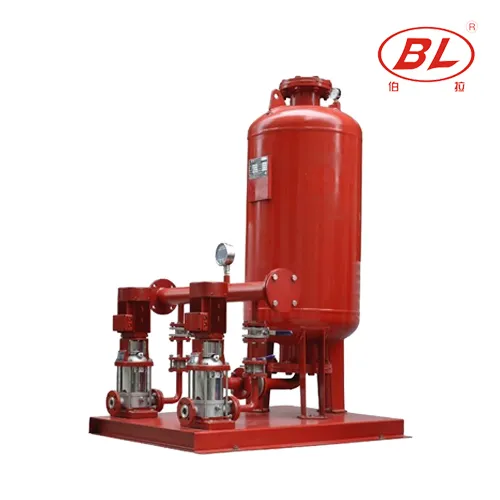
| Packaged building water boosting | Booster Regulator Water Supply Equipment | Confirm inlet flow and target pressure before package selection |
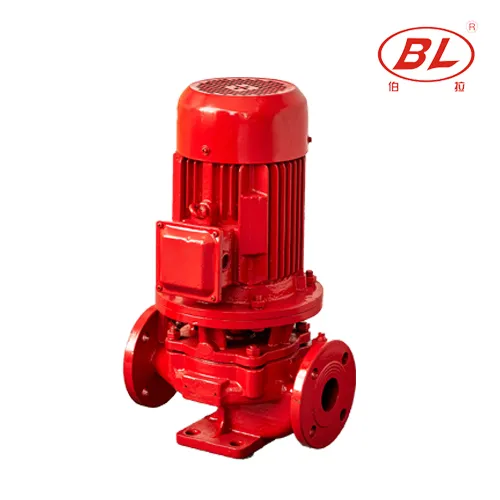
| Inline booster in a mechanical room | ISG Vertical Inline Boost Water Pump | Review inline duty and installation fit with the project engineer |
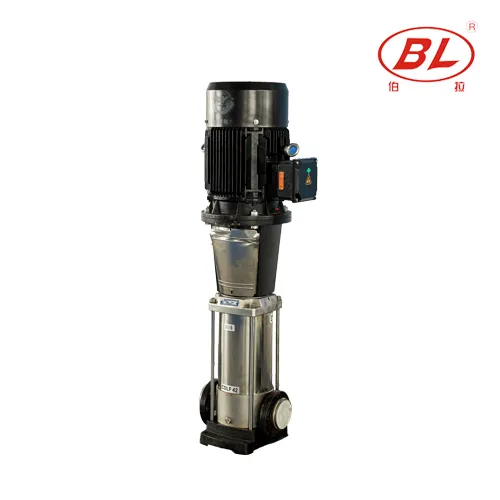
| Higher-head multistage maintenance or boost duty | CDL(F) Vertical Multistage Jockey Pump | Match staged head requirements to catalog curve |
For transfer duties that move water between tanks without pressure boosting, review transfer pump vs booster pump before requesting a booster quote. Sending the wrong pump category is a common reason quotes change after engineering review.
Send completed RFQ data through contact Borra with the measured duty point, control preference, documentation needs, and destination.
Fit Boundary
This article explains price drivers and quote boundaries for buyer education. It does not publish fixed list prices, certify code compliance, or guarantee performance. BORRAPUMP quotations require project-specific verification.
Part 7. What Stays Outside a Booster Price Article?
Some searches combine “booster” with duties that belong to other product families. Fire-pump approval packages, deep-well lift, sewage handling, and trailer-mounted transfer sets follow different engineering, documentation, and commercial rules.
Do not use a building water booster quote template for:
- Listed fire pump skids where approval documents dominate scope.
- Well lift where jet, submersible, or source pumps must run before any boost discussion.
- Wastewater or slurry where materials and impeller design drive a different price structure.
Those boundaries protect buyers from comparing incompatible numbers. They also keep this article aligned with the Water Supply Booster Pump cluster instead of every pump label on a jobsite.
FAQ
Why do booster pump prices vary so much?
Because one quote may include only the pump, while another includes pumps, controls, valves, tank, sensors, testing, documents, packing, and spares. Different supply boundaries produce different numbers even at the same horsepower label.
Can I compare booster pump prices by horsepower?
No. Horsepower is a result of the duty point, not a substitute for it. Compare flow, head or pressure rise, inlet condition, control mode, materials, and included accessories.
What data should I send for a booster pump quote?
Send peak flow, required outlet pressure, inlet pressure at peak demand, medium, control preference, tank requirement, power supply, installation environment, quantity, destination, and documentation needs.
Does a VFD booster cost more than a constant-speed pump?
The first cost is often higher because the controller, transducer, and programming add scope. Whether that premium pays back depends on load profile, pressure stability needs, and operating hours — not on the label alone.
Are pressure tanks included in every booster pump price?
Not always. Some quotes assume an existing tank on site. Others include a factory-supplied bladder tank sized for the control method. Confirm tank volume and pre-charge scope before comparing.
Can BORRAPUMP give a fixed online booster price?
A fixed online price would hide project variables such as duty point, materials, control scope, documentation, and delivery terms. BORRAPUMP quotes from verified project data.
What makes two booster quotes hard to compare?
Different exclusions — missing tank, controller, valves, test documents, spares, packing, or commissioning — make offers look cheaper without delivering the same pressure result.
Which BORRAPUMP product should I ask about first?
Start with Booster Regulator Water Supply Equipment for packaged building boosting. If the duty is inline or multistage, confirm whether ISG or CDL(F) routes fit after the duty point is calculated.