
A pressure tank can support a booster system in more than one way, depending on the design. Before discussing size, identify the role assigned in the approved system: pressure stabilization, control support, transient response, or another documented function.
Direct Answer
Booster pump pressure tank sizing starts with the documented demand, source conditions, pump and control concept, and vessel function; the final vessel selection comes from verified system and supplier data, not a universal volume rule. This is a B2B project-review aid for contractors, engineers, distributors, operators, and procurement teams. It does not replace responsible engineering, site procedures, authorities, or the manufacturer documentation for the supplied equipment.
Part 1. Define the Tank’s Role in the System
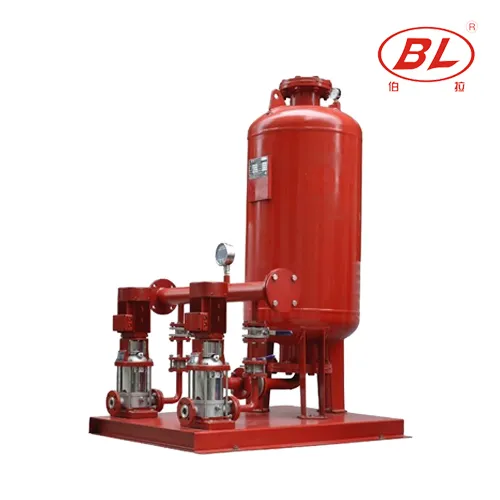
A pressure tank can support a booster system in more than one way, depending on the design. Before discussing size, identify the role assigned in the approved system: pressure stabilization, control support, transient response, or another documented function. The tank is not an isolated accessory. Its selection must stay connected to the pumps, controls, source, demand profile, piping, and service plan around it.
Part 2. Collect Demand and Source Inputs
Record the design demand and how it varies, the required condition at the controlled point, and the incoming supply behavior from the project sources. These inputs belong to the responsible hydraulic and control design. A vessel proposal without their source is incomplete because it cannot show what system behavior the tank is intended to support. Keep assumptions visible so later changes can be reviewed rather than hidden.
| Review area | Project question |
|---|---|
| Demand inputs | Design demand and variation, retained with their project source |
| Source inputs | Incoming condition and variation recorded by the project |
| System concept | Pumps, controls, sensing, vessel role, and protection arrangement |
| Installation | Location, connections, support, service access, and scope boundaries |
Part 3. Confirm the Pump and Control Concept
The system may use a single pump, multiple pumps, controls that respond to changing demand, and instrumentation that reports the operating state. Identify the actual concept before selecting a pressure tank. Control behavior, sensor locations, sequencing, and protective functions come from the approved system documents and verified equipment information. Do not copy a setting, switching range, or tank ratio from another building or a generic web page.
Part 4. Review the Installation Interfaces
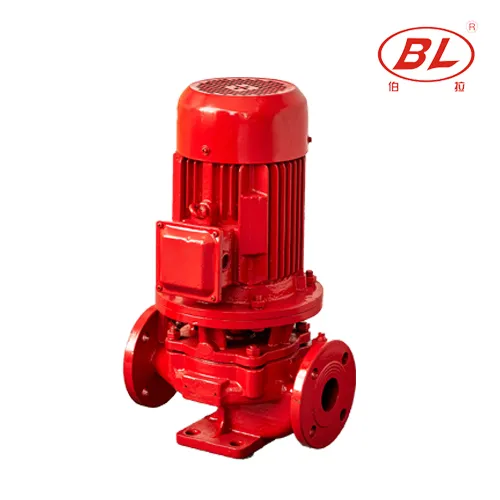
The vessel requires a documented location, connections, isolation and service access, support arrangement, and coordination with the plant-room layout. Review the supplied scope against the field scope so that a connection, support, or control interface is not left between trades. Access after completion matters: an arrangement that can be installed but cannot be inspected or serviced is not a complete system solution.
| Review stage | Evidence to retain |
|---|---|
| Before review | Use the current drawing, manual, tag data, and responsible site procedure. |
| During review | Record observations and changed conditions without inventing values or limits. |
| When unclear | Log the question with project references and seek verified model-specific guidance. |
| At handover | File controlled records with the equipment and system documentation. |
Part 5. Compare Supplier Submittals
A useful submittal identifies the offered vessel and its documented suitability for the intended system, along with connection information, materials, scope, and required records. Compare like with like using the controlled inputs. If an offered configuration introduces an assumption about demand, controls, or source pressure, return it for confirmation. Specifications, certifications, and acceptance requirements remain project-specific and must not be inferred from a marketing description.
Part 6. Create a Controlled Selection Record
Keep a selection record with the demand and source inputs, pump and control documents, vessel role, layout references, supplier submittal, and unresolved questions. This supports commissioning and future modification because it explains why the pressure tank is present and what conditions were considered. For a project review, share those controlled inputs with BORRAPUMP through the contact channel rather than relying on an online sizing shortcut.
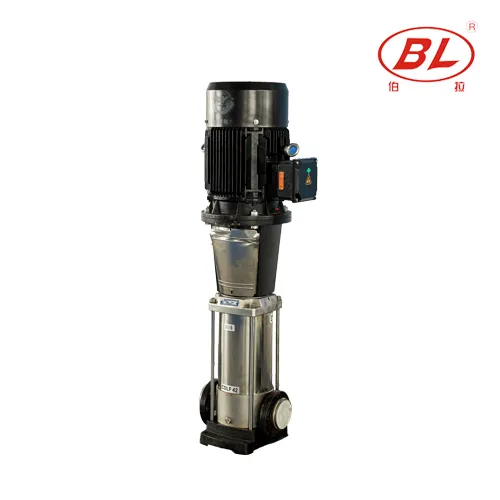
See the BORRAPUMP Booster Pump guide for related resources, or contact BORRAPUMP with controlled project data for a package discussion.
Fit and Compliance Boundary
This article does not size equipment, certify a system, claim approval to any named standard, or set a pressure, flow, solids, or control value. Final selection, installation, operation, testing, and acceptance require current project documents, responsible professionals, applicable authorities, and verified manufacturer data for the exact equipment supplied.
FAQ
What information is needed before a pressure tank is selected?
Documented demand, source conditions, required system behavior, pump and control concept, vessel role, installation constraints, and supplier data are needed.
Can a tank size be copied from another booster project?
No. Different demand, source, controls, and layout conditions can change the required system response and the selection basis.
Does a pressure tank replace booster controls?
No. The tank and controls serve related but different system functions defined by the approved design.
Who sets pressure and control values?
The responsible project design and verified documentation for the installed equipment set them. This article does not provide setpoints.
What should be checked in a vessel submittal?
Check the exact offered item, its stated suitability, connections, materials, scope boundaries, records, and any assumptions against the project inputs.
Does this article certify a booster system?
No. Final selection, installation, testing, and acceptance require project documents, responsible professionals, authorities, and verified equipment data.