
A discharge hose is not a temporary detail that can be chosen after the pump arrives. It is the last part of the dewatering system and determines where water, silt, and any carried debris go.
Direct Answer
A dewatering pump discharge hose must be laid out as a controlled route from the pump to an approved outlet: confirm the route, supports, connections, outlet condition, and observations against current project documents. This guide is for B2B project teams, contractors, distributors, and procurement reviewers. It organizes field and selection questions without replacing responsible engineering or manufacturer documentation.
1. Treat the Hose as a Controlled Discharge Route
A discharge hose is not a temporary detail that can be chosen after the pump arrives. It is the last part of the dewatering system and determines where water, silt, and any carried debris go. Start with the approved outlet and work backward to the pump. The review identifies the intended route, crossings, changes in elevation, connection points, protection from traffic, and the party responsible for checking it during the shift.
2. Record the Route Before Equipment Moves
A route sketch or current drawing mark-up gives the crew a shared reference. Record the pump location, the outlet, hose lengths and transitions, areas where the hose crosses access routes, and the locations of supports or restraints. This is not a substitute for hydraulic design. It is an installation record that lets the team detect when later excavation, deliveries, or weather have moved the line from its reviewed condition.
| Review point | Evidence to keep |
|---|---|
| Duty definition | Current drawing, work plan, measurement basis, and water description. |
| Field route | Marked route, interface locations, access restrictions, and observed changes. |
| Equipment evidence | Specific model documentation and supplier response tied to project inputs. |
| Shift handover | Equipment tag, route/outlet condition, exceptions, and escalation status. |
3. Check Hose Connections and Supports
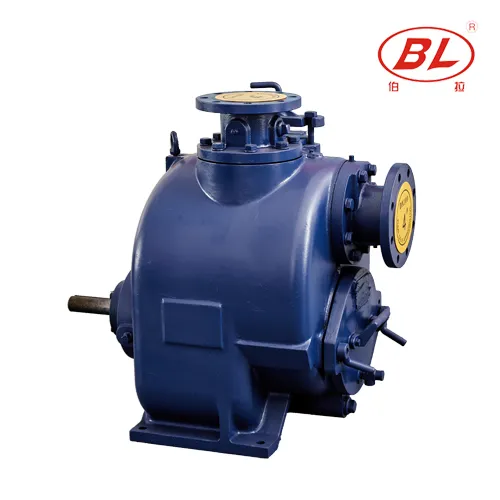
Inspect each connection as an interface with the specific hose and pump supplied. Confirm couplings, gaskets, clamps, adapters, and restraints against the approved arrangement and the manufacturer information for the equipment. Supports should prevent abrasion, sharp bends, pull on the pump connection, and movement at crossings. Do not solve an incompatible connection by forcing parts together or by adopting an arrangement remembered from another job.
4. Protect the Route Through Active Work Areas
Construction traffic, sharp aggregate, lifting operations, and changing excavation edges can all damage or displace a discharge hose. Coordinate the hose path with site logistics before starting the campaign. Where the route crosses an active area, project controls define the protection and access arrangement. Recheck after deliveries, storms, or work-front moves because a route that was clear in the morning can be obstructed or exposed later in the day.
5. Inspect the Outlet and Receiving Area
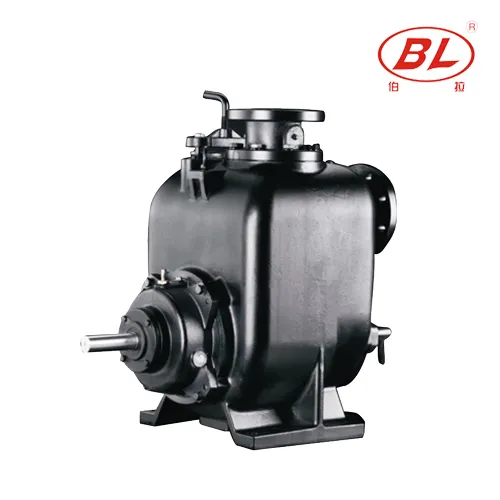
The outlet must be the project-approved point, not merely the closest open area. Confirm that the hose end remains secured, the receiving area is suitable for the current project plan, and erosion, pooling, or migration of silt is observed and reported through the site process. If conditions change, pause the assumption that yesterday’s outlet remains suitable and obtain direction from the responsible project party.
| Question | Review boundary |
|---|---|
| What must the setup move? | Water between documented source and destination, not an assumed generic duty. |
| What can change? | Route, water condition, access, and work-front constraints require recorded review. |
| What confirms fit? | Verified manufacturer data for a specific model held against project evidence. |
| Who accepts the result? | Responsible project parties under current documents and applicable requirements. |
6. Use Shift Records to Detect Changes
A short recurring record preserves the evidence that a temporary system stayed controlled. Note the equipment tag, route condition, outlet observation, visible hose damage, connection condition, and any departure from the approved arrangement. Escalate changes rather than moving the outlet or adding hose length informally. These records are especially useful when shifts change, because the next crew can compare the field condition with the last documented review.
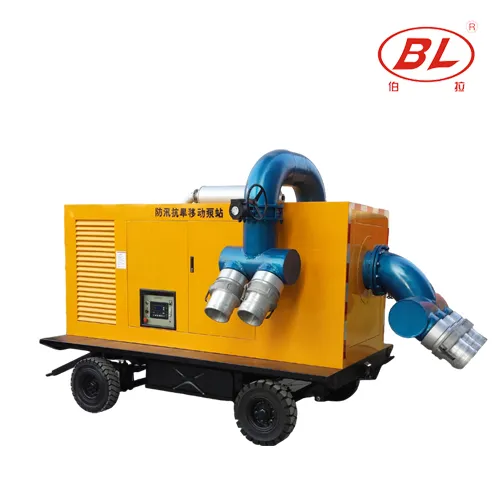
For related selection context, see the BORRAPUMP Drainage Pump guide. For a package discussion using controlled project data, contact BORRAPUMP.
7. Fit and Compliance Boundary
This article is a selection and project-review aid. It does not size equipment, certify an installation, claim approval, or set operating values. Final equipment fit, installation, discharge arrangements, testing, and acceptance require current project documents, responsible professionals, applicable authorities, and verified manufacturer data.
FAQ
Who approves a dewatering discharge outlet?
The current project documents and responsible project parties define the outlet and any conditions for using it. A pump supplier or generic guide cannot approve a discharge point.
Can a discharge hose be extended during a shift?
A change in length or route can change the installation and site risk. Record the proposed change and route it through the project review process before using it.
What should be checked at a hose crossing?
Check the route protection, traffic coordination, hose restraint, visible damage, and whether the crossing remains consistent with the project plan.
Why do supports matter on a temporary hose?
Supports limit abrasion, kinks, pull at connections, and movement that can redirect the discharge or damage the pump interface.
What should be recorded at the outlet?
Record the approved outlet reference, hose-end condition, visible receiving-area condition, and exceptions or changes requiring project review.
Does this article define allowable discharge conditions?
No. Discharge conditions come from the project documents, responsible professionals, and applicable authorities for the specific site.