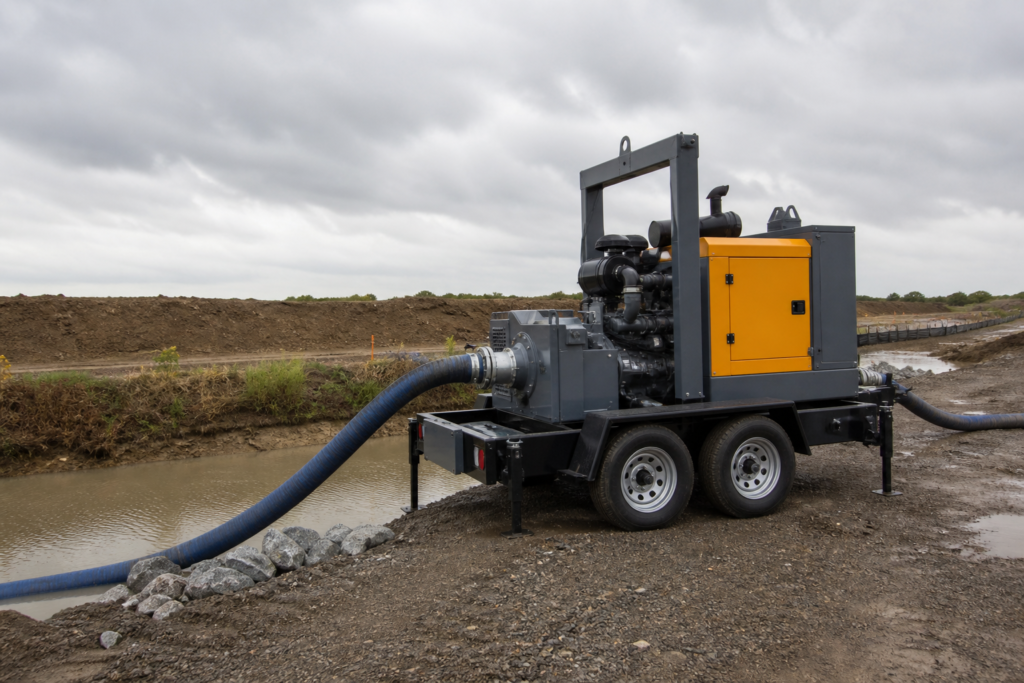
Trash Pump for Flood Control: Selection and Emergency Setup Guide
Select a trash pump for flood control using inflow, head, debris, priming, runtime, deployment, discharge and emergency standby requirements.

Newsroom
Drainage and dewatering pumps remove accumulated or flowing water from sites, basements, trenches and flood areas. Types include submersible, self-priming and trailer-mounted diesel. See Borra’s CHWY mobile drain pump and WQ submersible pump.
Select a trash pump for flood control using inflow, head, debris, priming, runtime, deployment, discharge and emergency standby requirements.
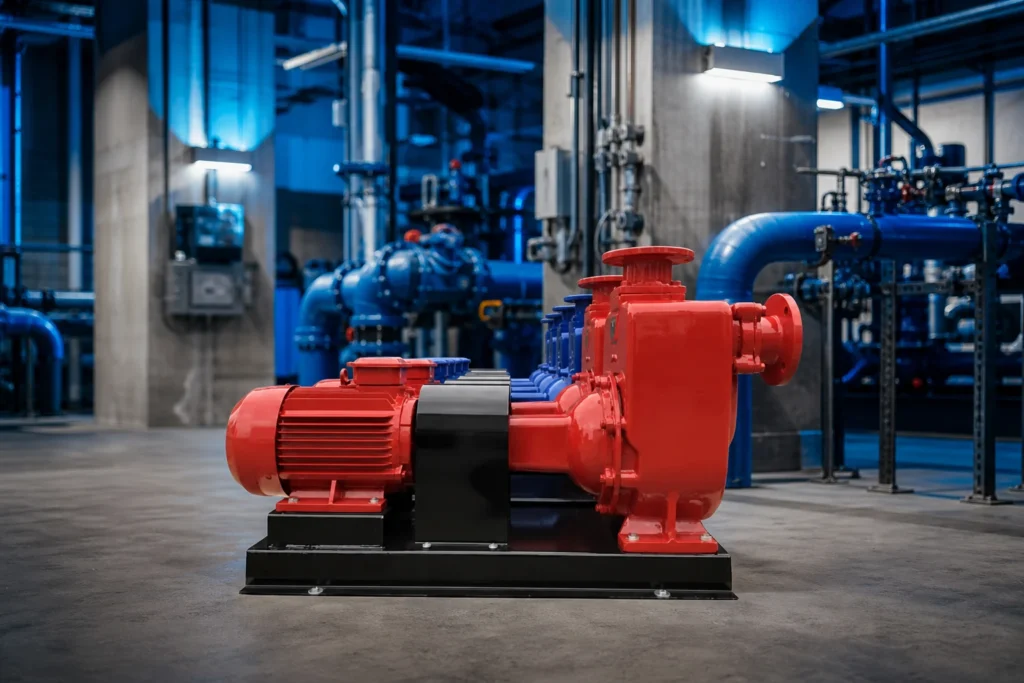
Plan maintenance of a submersible pump using condition trends, safe removal, electrical tests, wear inspection, controls and recommissioning data.
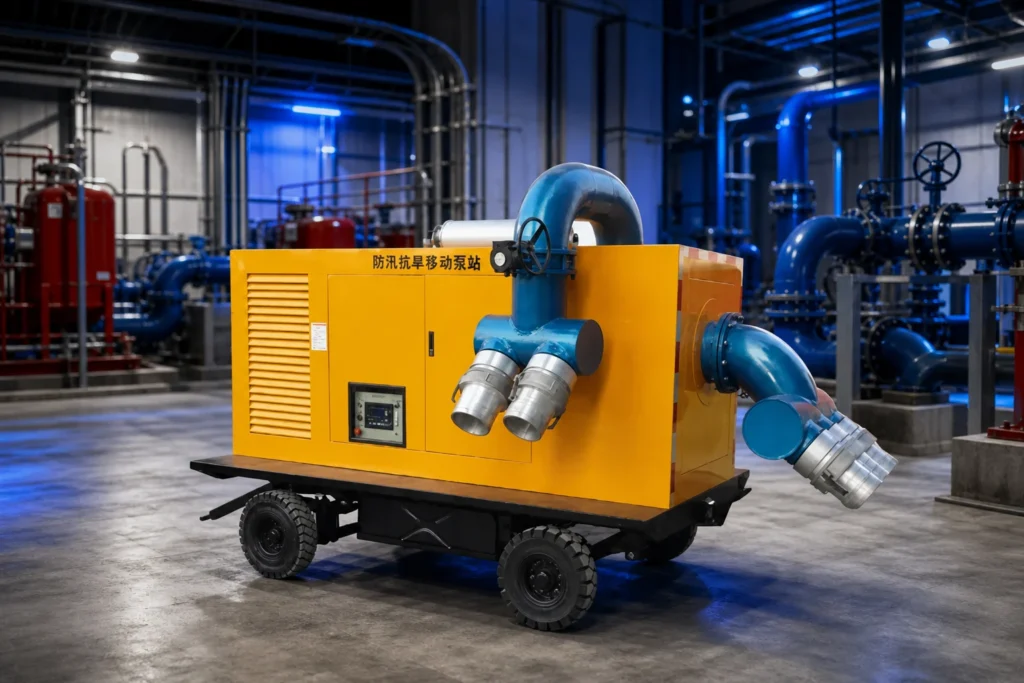
A submersible dewatering pump is selected by matching the required drawdown flow, total dynamic head, solids and abrasiveness, minimum operating depth, cable and power supply, and the site's duty cycle. It should not be chosen from outlet size or motor power alone. Establish how fast water enters, where it can legally discharge, and how the water level and hose route will change. Then plot normal and worst-case duties on a certified pump curve, verify motor loading and cooling, and specify level controls,...
A mobile pump service-test record should identify the unit, stated duty, source and discharge route, observed condition, responsible roles, stop criteria, and unresolved items before anyone treats a service activity as complete. This project-review guide does not provide a model-specific test method or a pass/fail result. Contents Part 1. Begin With a Controlled Service Record […]
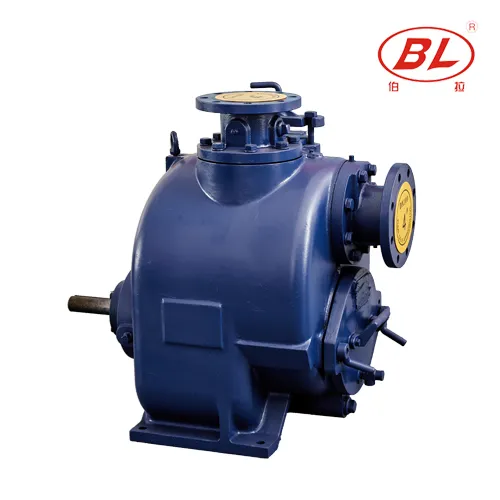
A sump is a designed or existing low point where water collects. A sump pump is selected around that collection arrangement, including available space, inlet conditions, access, controls where fitted, and service retrieval. Contents Direct Answer 1. Separate the Collection Point From the Pump Label 2. Map the Water Path at the Site 3. Compare […]
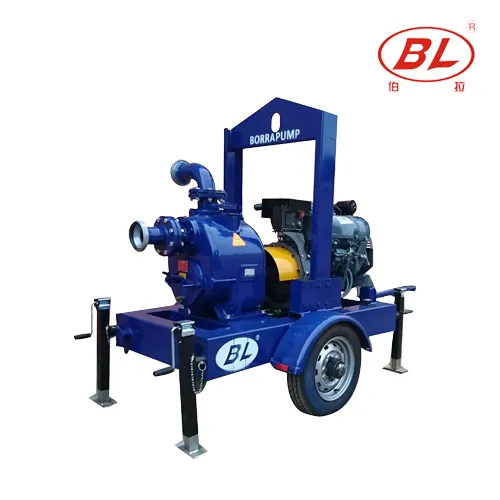
Job-site language sorts pumps into casual families: trash pumps for dirty water full of debris, drainage pumps for getting water out of the way. The labels are useful shorthand and terrible purchase criteria, because different manufacturers draw the lines… Contents Direct Answer 1. Naming Is Not a Specification 2. What Each Label Usually Emphasizes 3. […]
A discharge hose is not a temporary detail that can be chosen after the pump arrives. It is the last part of the dewatering system and determines where water, silt, and any carried debris go. Contents Direct Answer 1. Treat the Hose as a Controlled Discharge Route 2. Record the Route Before Equipment Moves 3. […]
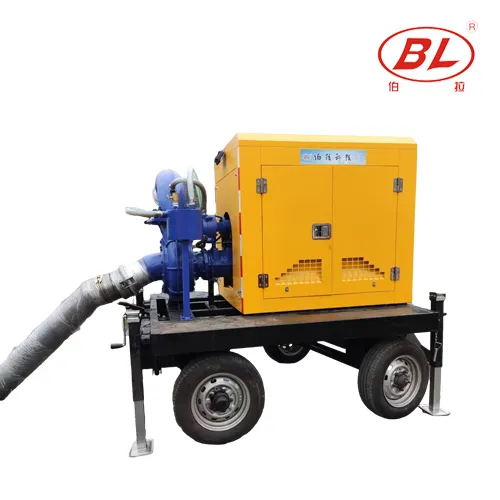
Construction sites shop for dewatering pumps under time pressure, which tempts teams to start from a familiar product name. The reliable order is the reverse: write down what the site actually presents, then let the type follow. Contents Direct Answer 1. Start From Site Conditions, Not Pump Types 2. Common Pump Routes for Construction Dewatering […]