
Drainage pumps are among the most important tools in plumbing and general water management as they help to remove excess water from many areas of our lives to help with potential flooding or water damage. But what is a drainage pump? It is a special kind of pump used to remove additional water from many different types of places, such as residential basements, construction sites, and sewage, preventing flooding and water damage. By learning how different types of drainage pump work and the different ways they can be used, you’ll have the tools necessary to make good decisions about how to manage your water effectively.
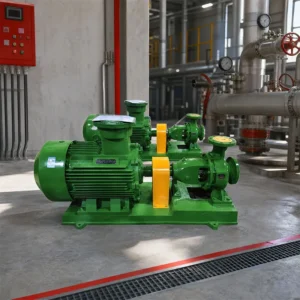
Types of Drainage Pumps
Each application and environment has its own type of pump for use in drainage situations; therefore, there are many pumps designed for specific types of work. Most people use four types of equipment, such as:
Submersible Drainage Pumps: These types of pumps function in water; therefore, they are ideal for removing water from flooded basements and construction sites. They are housed in waterproof casings and will pump out water more effectively than surface-mounted (non-submersible) pumps. In addition to this, many submersible drainage pumps are capable of pumping from deeper than their non-submersible counterparts.
Sump Pumps: Used frequently by homeowners, these pumps are put into a sump pit to drain off the water when it reaches a certain level. They prevent the basement from flooding and help keep the house dry.
Effluent Pumps: Effluent Pumps are made to handle wastewater unlike regular drainage pumps. They primarily transport effluent out of the septic system’s tank and into its drain field.
Stormwater Pumps: Needed to control rainwater runoff as well as prevent urban flood events through properly disposing of excess water via an adequate drainage system.
Functions of Drainage Pumps
The most important job of a drainage pump is to remove excess or unwanted water; however, the specific uses of drainage pumps will differ depending on type/application.
1. Flood Control: Pumping away water that has accumulated in an area subject to flooding helps reduce the risk of damage to buildings and other structures from flooding.
2. Basement Protection: A sump pump, which is a type of drainage pump, helps to keep your basement dry so you don’t have to worry about mold growth and your home collapsing.
3. Wastewater Management: For safely transporting sewage from a septic system to a drain field so that the environment is protected, effluent pumps are often needed.
4. Industrial Applications: These pumps are used in many different types of industry for worksite water accumulation removal, helping to maintain safety and compliance standards at work sites.
Advantages of Using Drainage Pumps
There are several reasons that you should consider adding an investment, like a drainage pump, as part of your water management solutions.
Efficiency: A drainage pump can quickly remove water from one location to another with great volumes in minimal time, which is essential for use in emergencies.
Prevention: By controlling water levels, these pumps prevent future problems with water damage and the expense of repairing any damage that may occur to your property.
Financially-smart: In terms of long-term benefit there’s a big return for an initial investment in a drainage pump through avoiding water damage and having to repair it later.
Flexibility: There are different varieties of drainage pumps available which makes them suitable for many applications ranging from home to business.
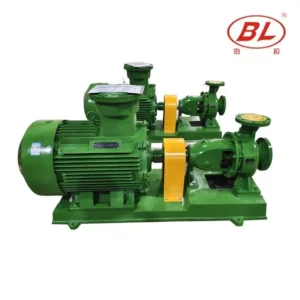
Frequently Asked Questions
What is a drainage pump?
The purpose of a drainage pump is to evacuate an area of excess water in order to prevent flooding and damage caused by excess water flow.
What are the uses of a drainage pump?
Pumps for drainage can have many uses: flood management, protecting basements, managing waste water, or removing water from industries.
What are the advantages of a drainage pump?
Benefits of using a drainage pump include its ability to remove water quickly, prevent water damage, provide long-term cost savings, and serve in multiple applications.
To sum up, everyone who wants to effectively control water on their property must understand the various functions of drainage pumps and the different variants of these pumps. Installing a drainage pump is probably one of your best investments if you want to protect your home from water damage due to wet weather or in preparation for flooding. Regardless of whether you need to handle minor flooding or heavy rains, a drainage pump will help you maintain a dry and safe environment.