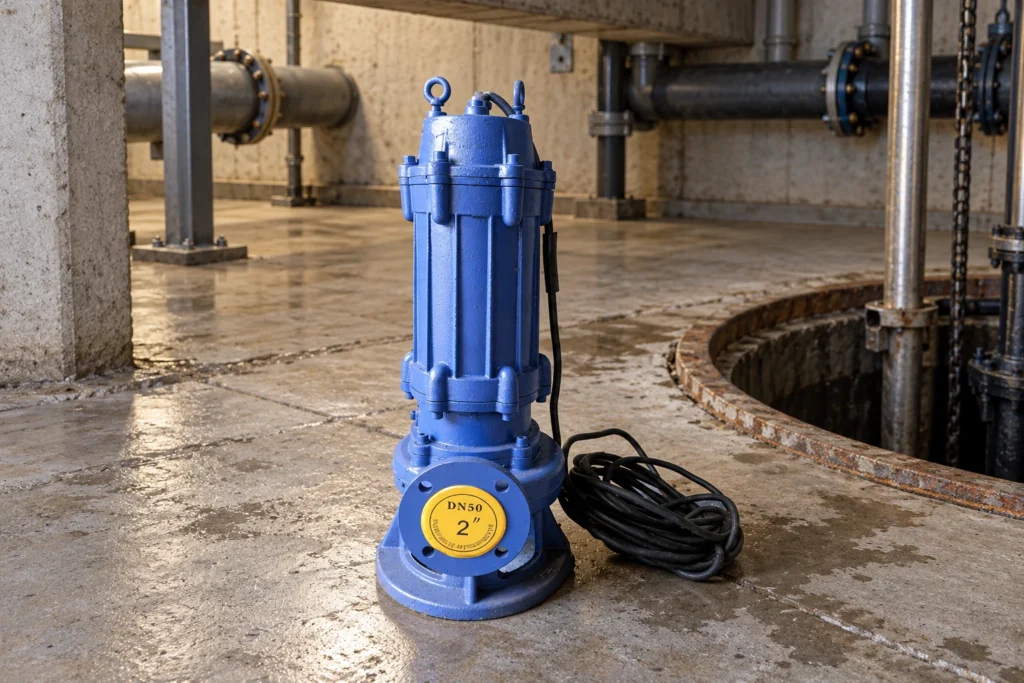
How to Size a Submersible Sewage Pump for a Lift Station
Size a submersible sewage pump from wastewater flow, total dynamic head, solids, the pump curve and wet-well cycling, with a practical selection checklist.

Newsroom
Recent updates from Borra covering product delivery, technical applications and market-side project stories.
Size a submersible sewage pump from wastewater flow, total dynamic head, solids, the pump curve and wet-well cycling, with a practical selection checklist.
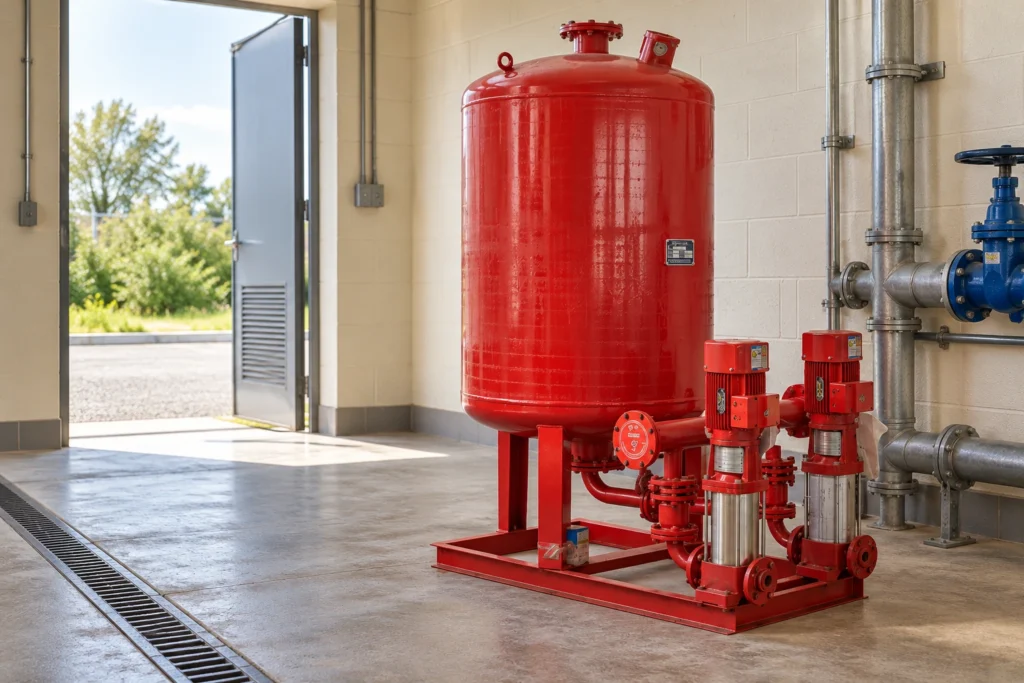
Understand duty, assist and standby booster pump roles, verify full-duty redundancy on pump curves and define the failure-case control sequence.
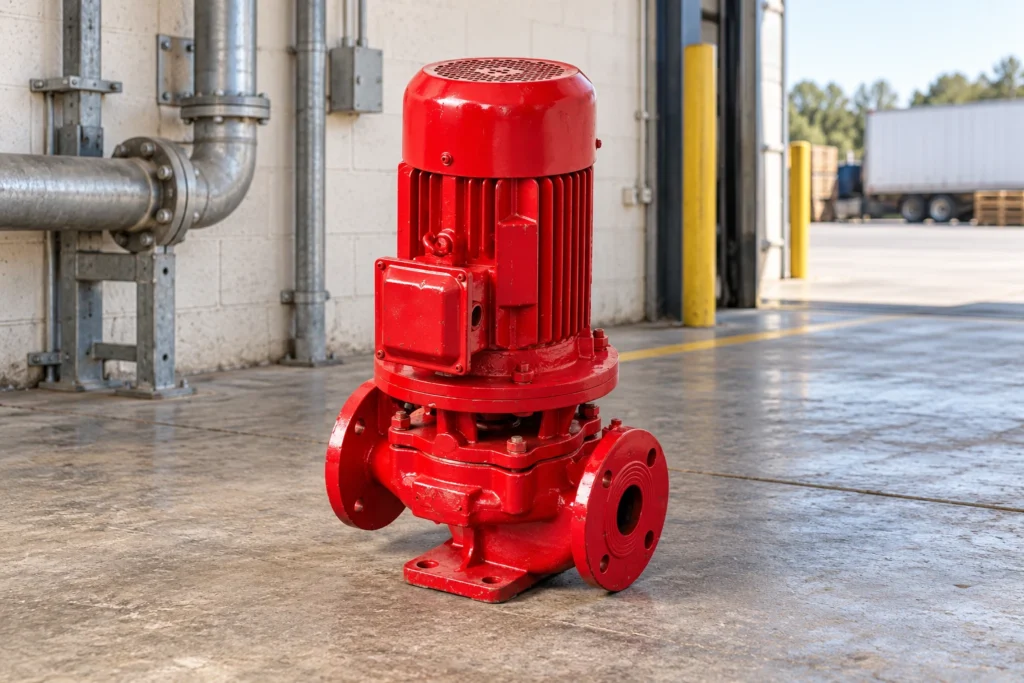
Choose booster pump pressure sensor locations for discharge control, remote demand and suction protection, then verify setpoints and failure response.
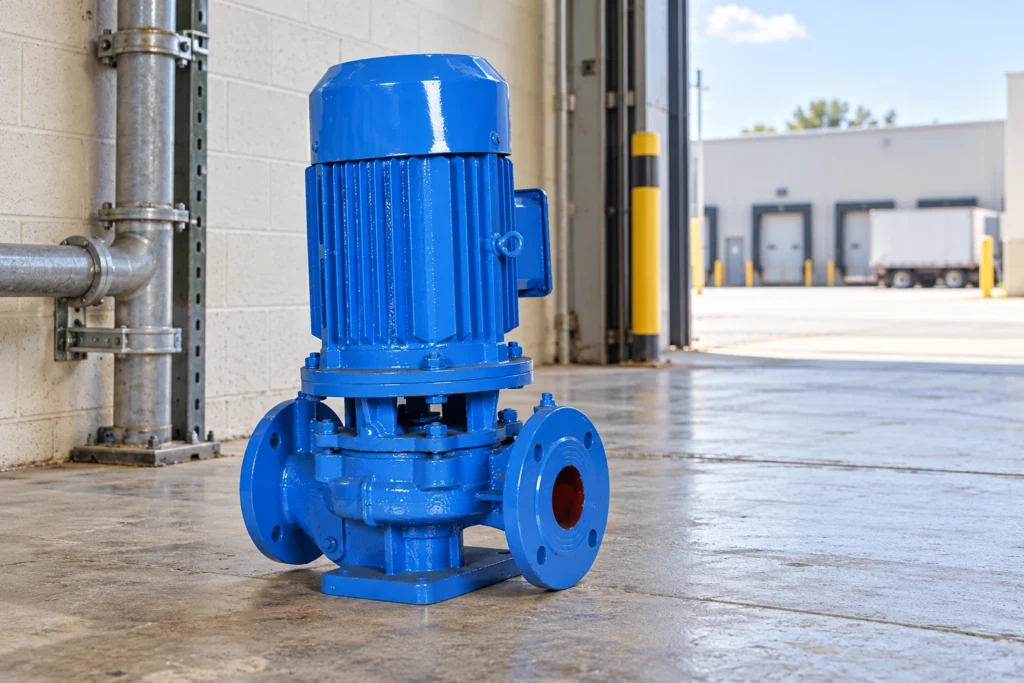
A hospital booster pump system must deliver the required domestic-water flow and pressure under defined normal and failure conditions, while supporting the facility's water-management and maintenance plans. Start by separating patient-care, sanitary, food-service, laundry, laboratory, and equipment loads into the actual pressure zones they use. Calculate probable demand under the applicable plumbing rules, then identify any critical loads and their required continuity. Select pumps from documented duty points and test the controls, source water, and standby behavior. A generic “hospital pump size”...
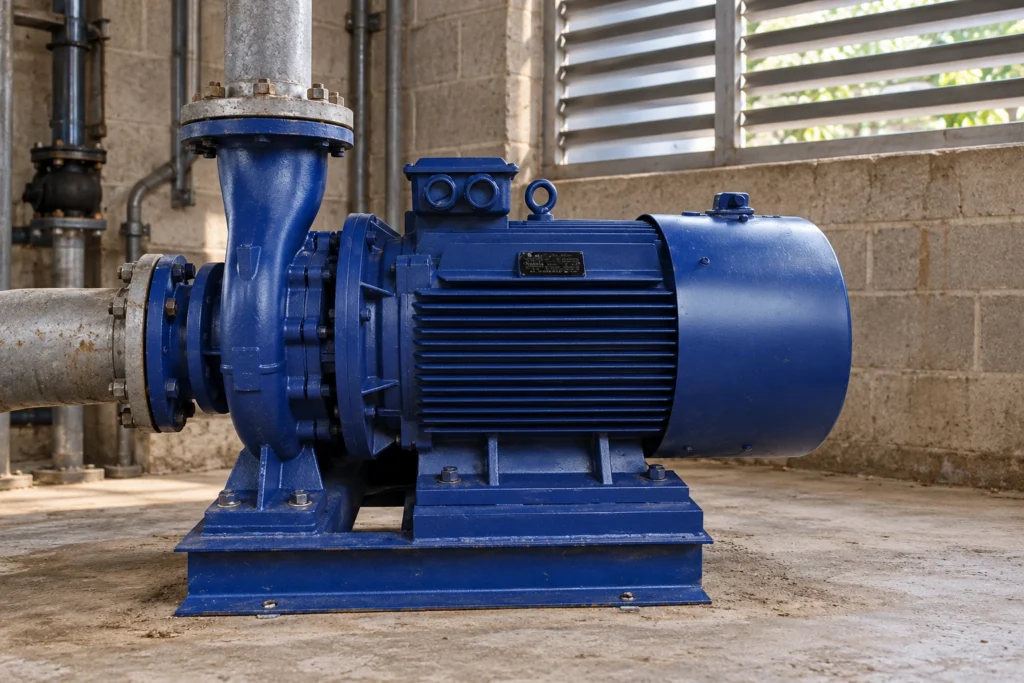
Select a hotel booster pump set using real fixture demand, pressure zones, peak operating patterns and failure-case requirements, not room count alone.
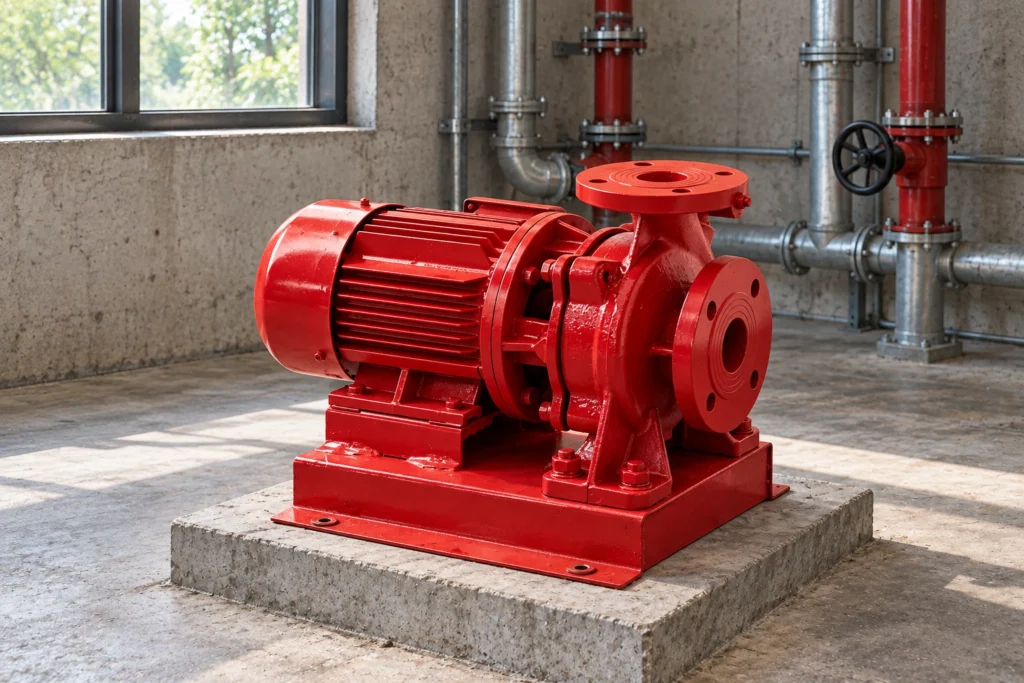
Calculate booster pump head from elevation, fixture pressure, pipe losses and available inlet pressure. See a transparent multi-story building example.
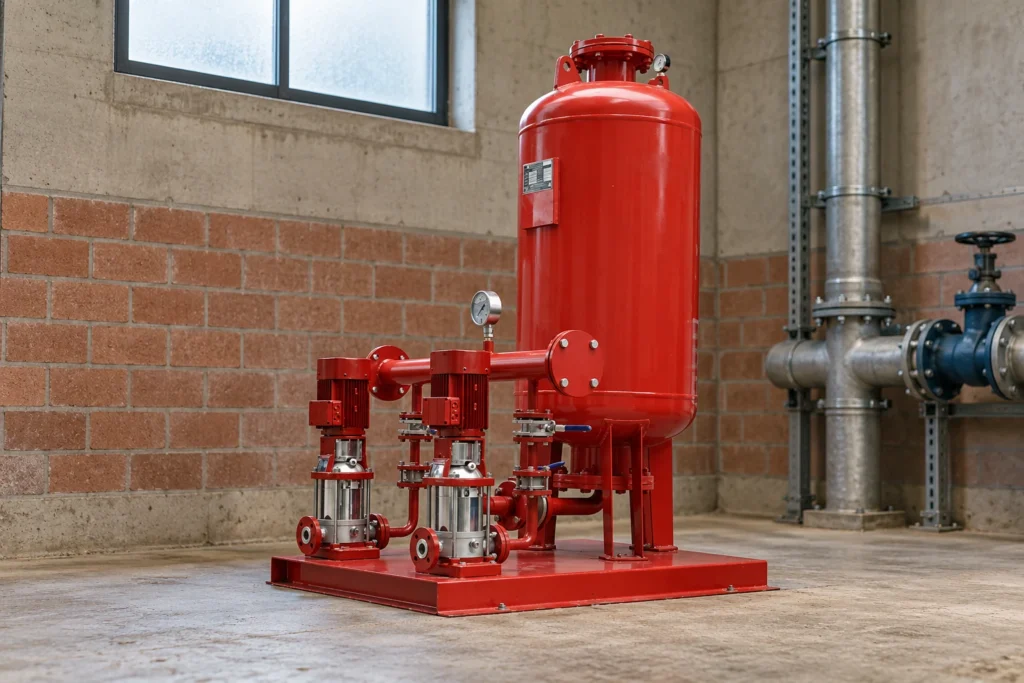
Calculate apartment booster pump flow from probable fixture demand, special loads and pressure zones. See a worked example and the supplier data to verify.
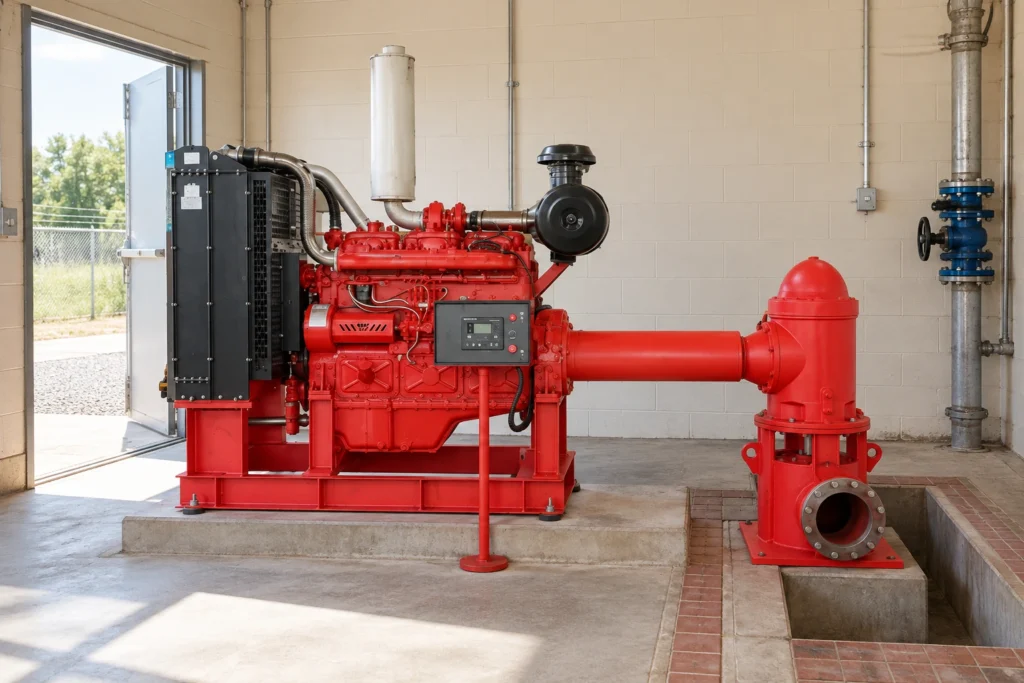
Choose between a horizontal split case and a vertical turbine fire pump mainly from water-source geometry, suction conditions, required duty, site layout.