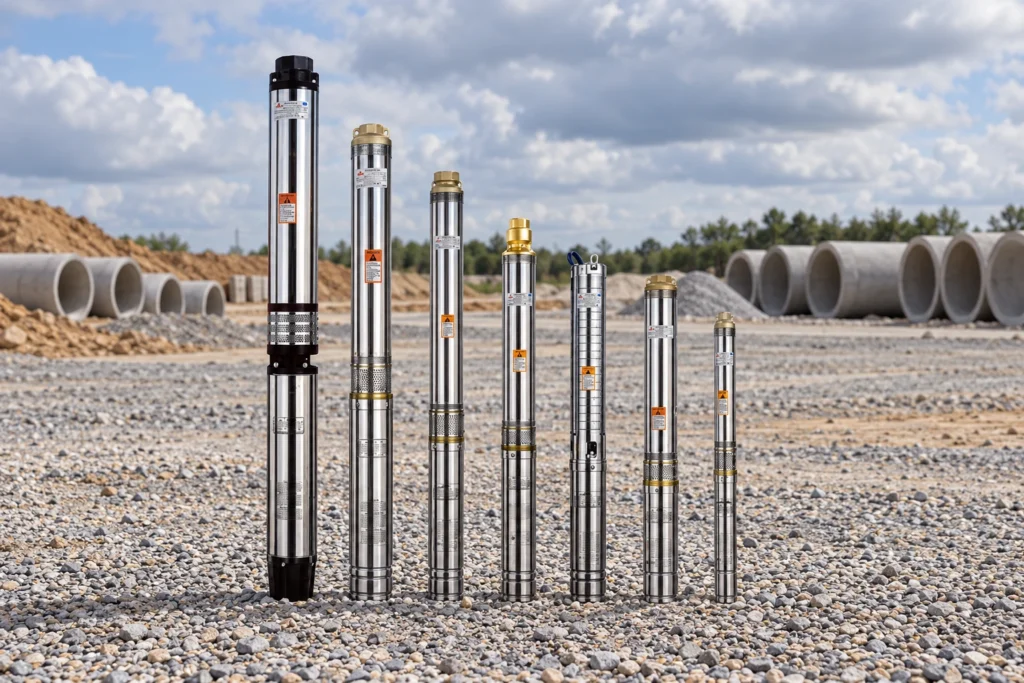
Sand in Well Water: How to Protect a Deep Well Pump
Investigate sand in well water using sediment, flow and water-level records; distinguish well correction, pump suitability and downstream filtration.

Newsroom
Recent updates from Borra covering product delivery, technical applications and market-side project stories.
Investigate sand in well water using sediment, flow and water-level records; distinguish well correction, pump suitability and downstream filtration.
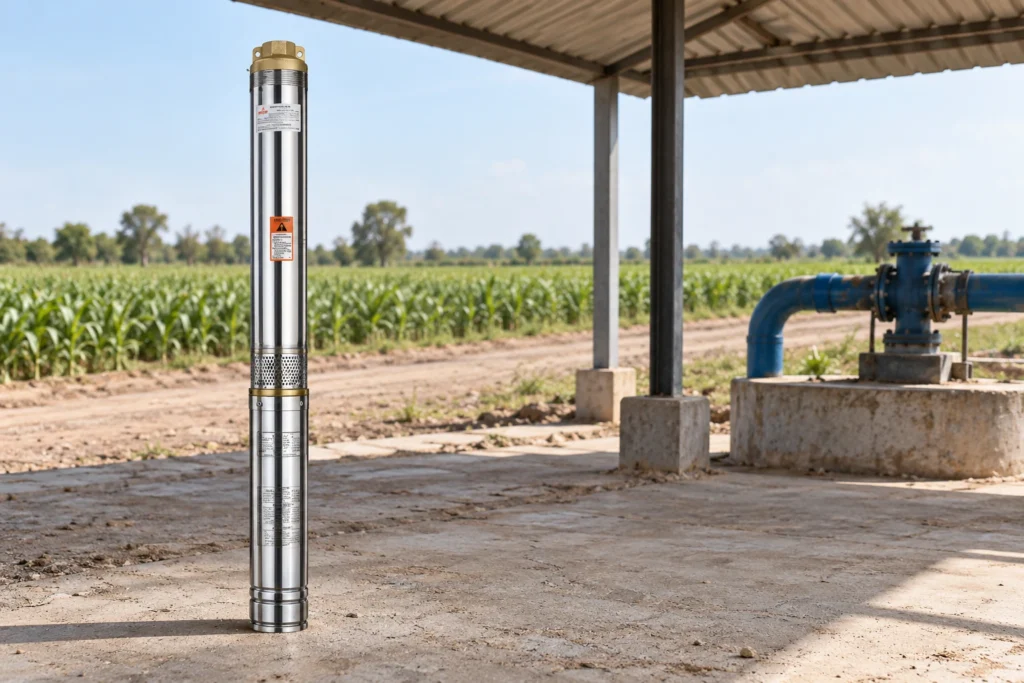
Select borehole pump diameter by verifying usable casing space, the complete assembly envelope, cooling needs and future retrieval access.
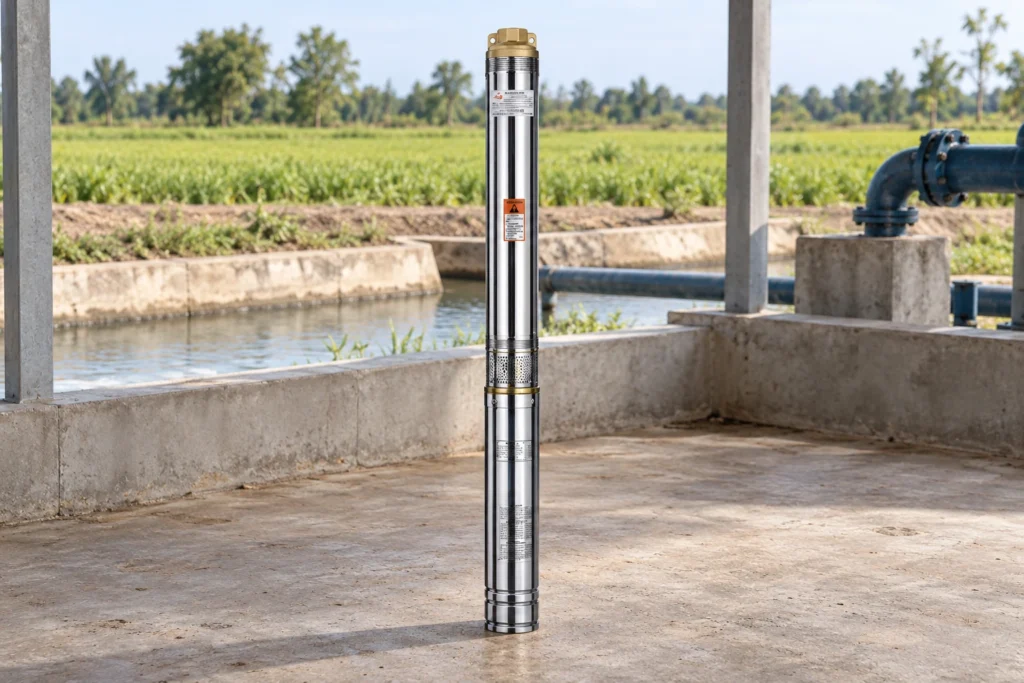
Calculate deep well pump head from pumping water level, delivery elevation, pressure and route losses, with a clear example and operating cases.
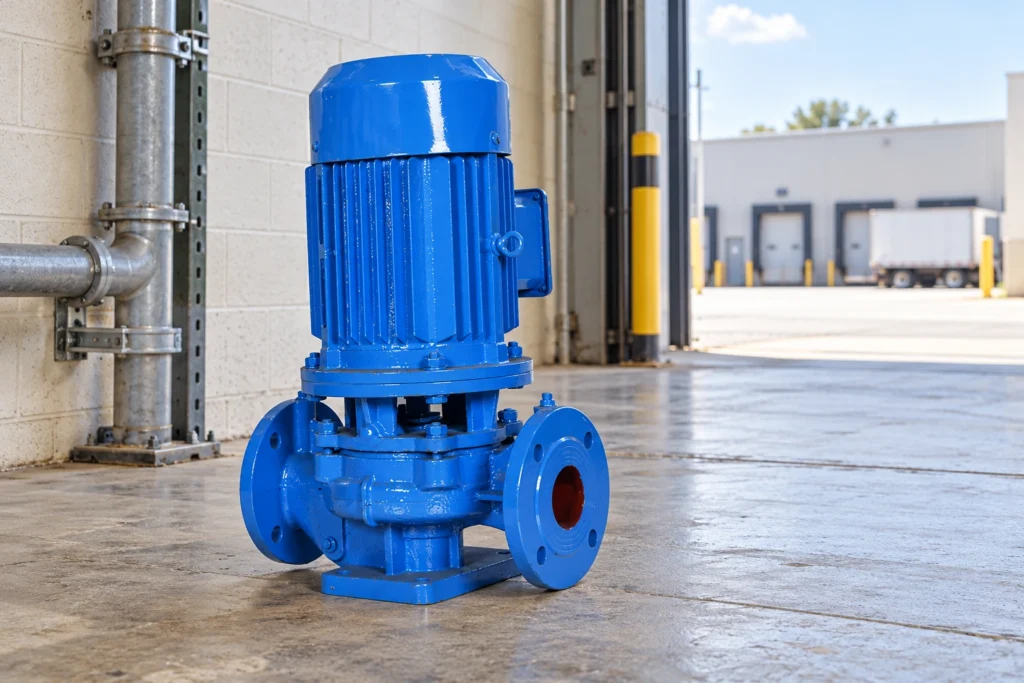
Inline pump installation needs a documented support arrangement, freely mating pipe connections, model-specific alignment checks and a measured commissioning record. Do not use flange bolts to pull a pipe into position or assume the pump casing can carry the pipework. Confirm the selected pump's approved orientation and mounting instructions before building supports. Isolate electrical and hydraulic energy before inspection or adjustment. The installation sequence below helps a project team plan and verify the work; final clearances, allowable nozzle loads, tightening values and...
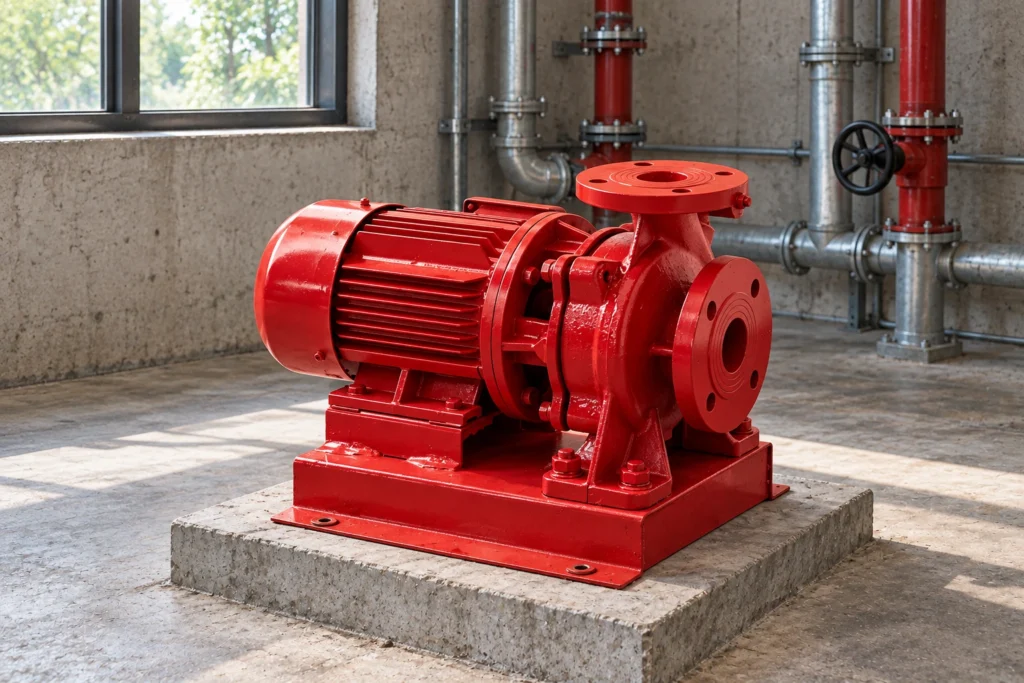
A vertical vs horizontal inline pump comparison should start with the required flow and head, then examine available space, pipe loads, lifting access and maintenance needs. A vertical motor can reduce the floor footprint, but it needs adequate overhead clearance. A horizontal assembly spreads its motor and casing along the floor and needs room beside the equipment. Neither orientation automatically guarantees better efficiency or reliability. Compare verified curves for the actual liquid, speed and configuration, and obtain the installation drawing before deciding...
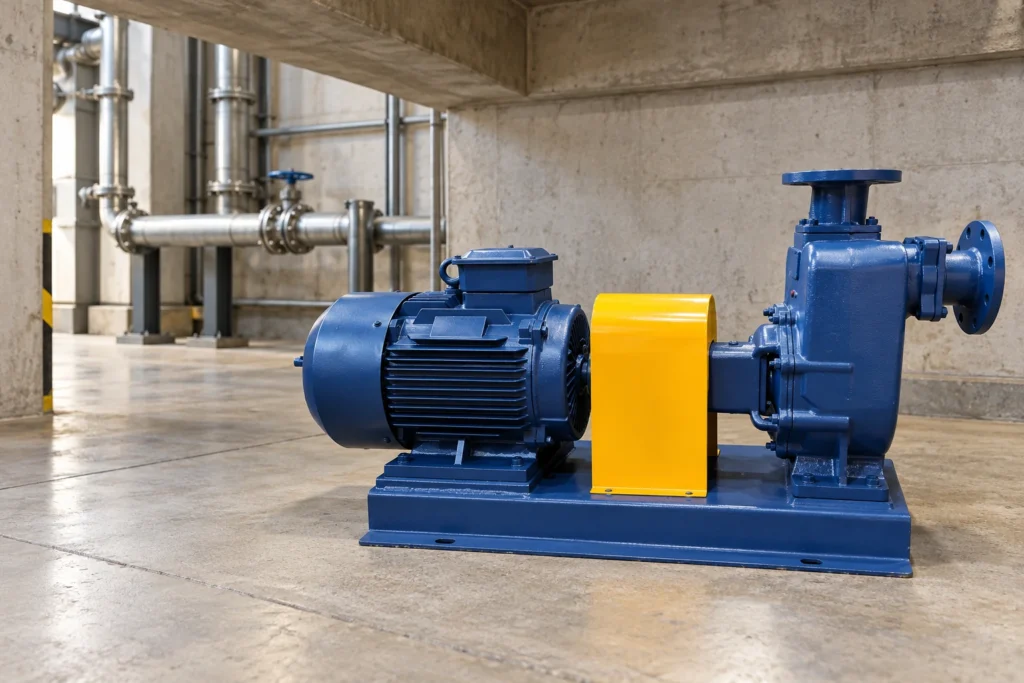
Size a centrifugal water-transfer pump from volume, time, total head, suction conditions and configuration-specific curves, with a transparent example.
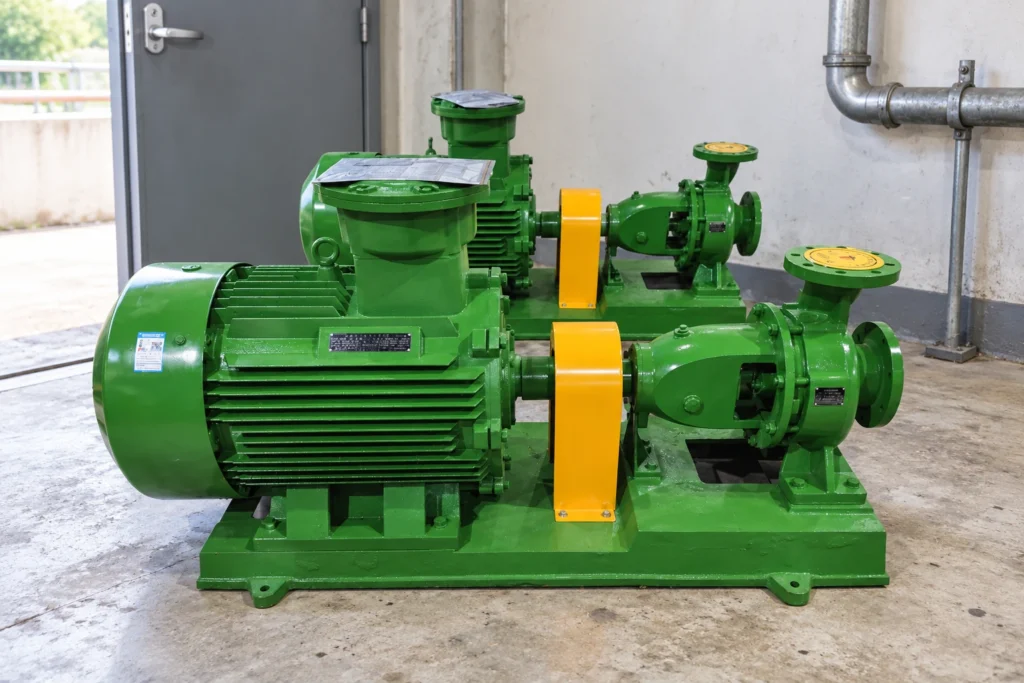
Centrifugal pump impeller types describe several different features of a pump's rotating hydraulic component. Open, semi-open and closed usually describe the presence of shrouds around the vanes; radial, mixed-flow and axial describe the main flow direction. These classifications answer different questions and should not be treated as a single list of interchangeable options. For water transfer, choose an impeller through the complete pump's verified curve, liquid compatibility, solids handling and maintenance requirements. An exterior product photograph cannot confirm the internal design. This...
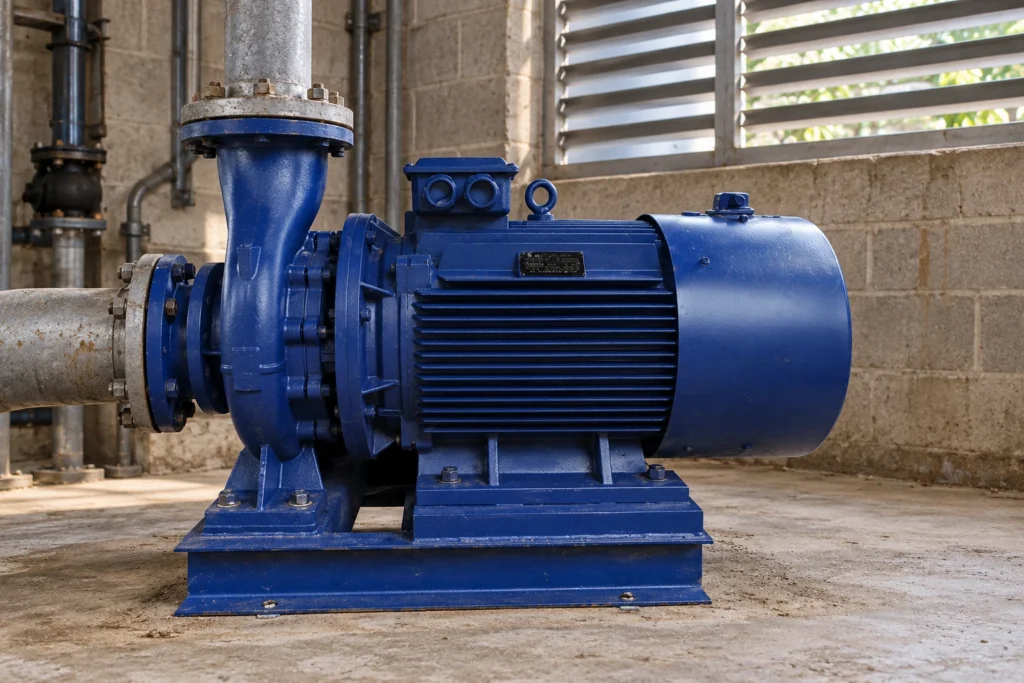
Centrifugal pump cavitation occurs when local liquid pressure falls low enough for vapor bubbles to form, then those bubbles collapse as pressure recovers. The result can be rough noise, vibration, unstable flow and damage to wetted surfaces. Preventing it requires a review of the actual suction conditions and operating point, rather than simply replacing a noisy pump. For a water-transfer installation, start with liquid level, temperature, inlet restrictions, measured duty and the manufacturer's suction requirements. This guide explains how to separate likely...